 News Desk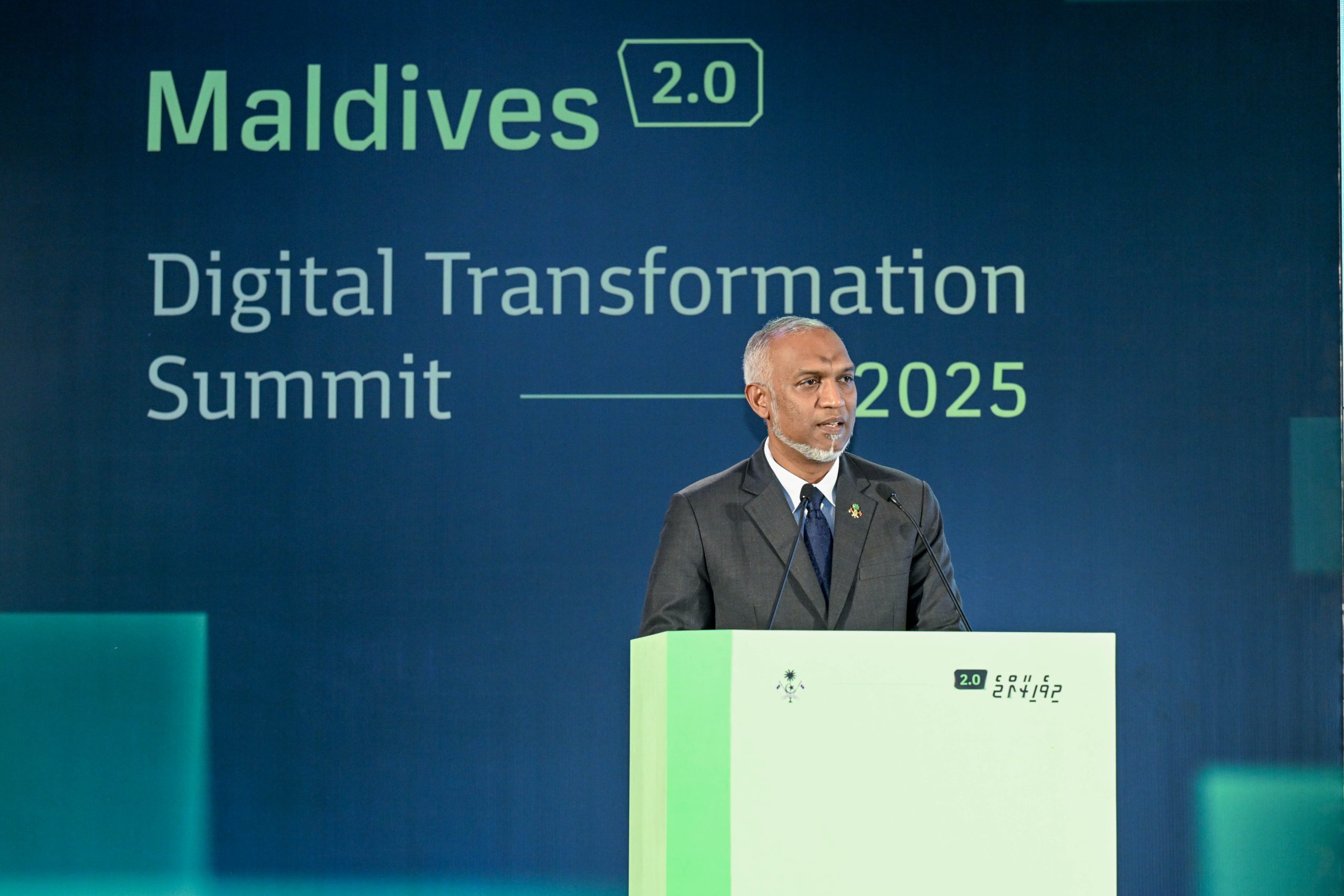
The Maldives — better known as God’s own archipelago — has long been an unlikely but determined digital pioneer. More than a decade before many of its South Asian neighbours began consolidating their national registries, this scattered island nation built a unified system for citizen identification and started issuing standardised ID cards. It was a bureaucratic leap that rarely made headlines abroad, yet it laid the foundation for something far more ambitious: the slow, deliberate construction of a fully digital state.
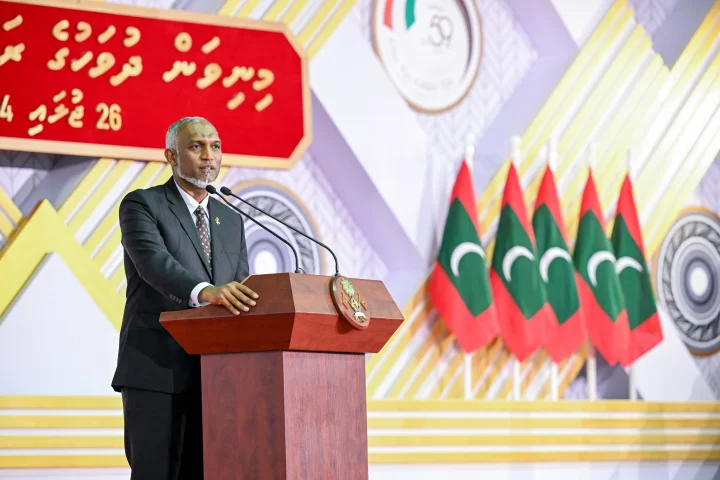
That transformation is now entering a new chapter. “eFaas 2.0,” a redesigned gateway to government services, is expected to be unveiled mid‑year as part of President Dr. Mohamed Muizzu’s broader “Maldives 2.0” digitalisation agenda. The upgrade is being presented not as a routine refresh but as a fundamental rethinking of how Maldivians interact with their government.
State Minister for Home Affairs Dr Mohamed Kinanat, who oversees the National Centre for Information Technology, has been frank about the shortcomings of the original system. The first version of eFaas, introduced in 2012, opened the door to online public services but quickly became synonymous with frustration: clunky interfaces, unintuitive menus and the persistent irritation of having to log in again every time the app was opened. “The public has been clear,” Dr Kinanat said on state television. “The application must be easier, faster and more secure.”
Despite those frustrations, the Maldives’ digital‑identity ecosystem has expanded at a remarkable pace. The national digital ID platform now supports biometric verification, password‑less login and access to more than 145 public‑sector services. By late 2024, roughly 272,000 residents — nearly 80 per cent of those aged ten and above — were enrolled. For a country of barely half a million people, the uptake is striking.
International partners have taken notice. The World Bank recently committed $10 million to strengthen the Maldives’ digital‑identity infrastructure, bolster cybersecurity and support wider e‑government reforms. A new Digital Identity Bill is also being drafted, aimed at reinforcing privacy protections and building public trust in a system that increasingly underpins daily life.
Yet even as the Maldives races toward a digital future, the realities of its bureaucracy remain stubbornly analogue. Under President Muizzu’s government, citizens in the 21st century still find themselves carrying bundles of photocopies from counter to counter, sometimes presenting the very same document — stamped and issued by the same agency — to that agency again.
It is a ritual of repetition that feels increasingly out of step with the country’s digital ambitions. The arrival of eFaas 2.0 will not, on its own, be enough to break that cycle. What is needed is a deeper shift in how government offices deal with the public: fewer demands for paper, better training for frontline staff, and a culture that treats digital identity not as an optional convenience but as the default way the state recognises and serves its people.
eFaas 2.0 is being designed with that reality in mind. The new version promises to resolve long‑standing irritations: secure sessions that eliminate repeated logins, streamlined service applications and a more intuitive interface. It will also introduce something entirely new — the ability for parents to manage digital identities for children under ten, a feature officials say will help families navigate school admissions, health records and other essential services.
Dr Kinanat has acknowledged that the absence of a major update since 2012 left the system lagging behind user expectations. The new version, he said, is intended to close that gap decisively, bringing the Maldives closer to global best practice in digital governance.
The government’s long‑term ambitions stretch even further. It hopes to grow the digital economy to 15 per cent of GDP by 2030 and to reach developed‑nation status by 2040. Digital identity — secure, universal and trusted — is the backbone of that vision.
In a region where digital‑ID rollouts often spark controversy, the Maldives has charted a quieter, steadier path. Its early adoption of consolidated national registration gave it a head start. Its investment in eFaas modernised authentication. And now, with eFaas 2.0, the country is signalling that it intends not only to keep pace with global standards but, in some areas, to lead them.
A Digital Dream to Cleanse Corruption: President Muizzu’s Maldives 2.0