 News Desk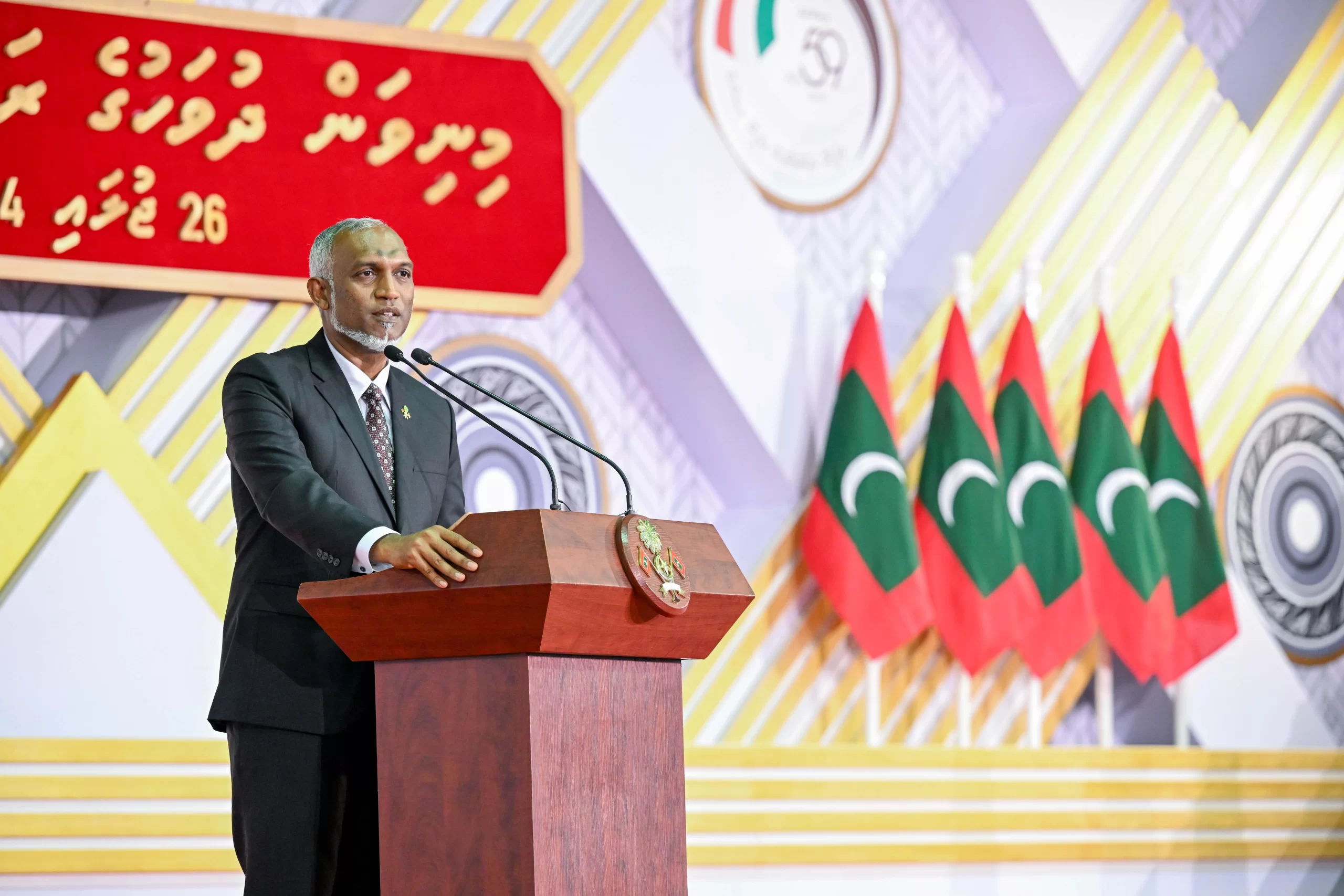
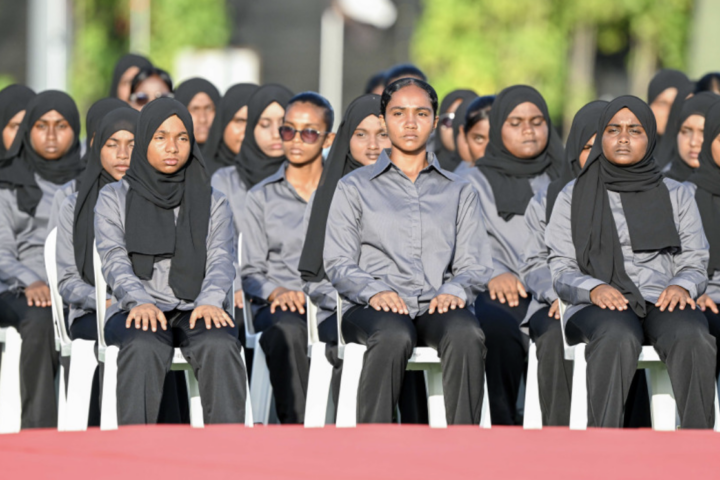
Malé awakens gently on Martyrs’ Day. The call to prayer drifts across the capital, settling over the turquoise horizon of what many Maldivians lovingly call God’s own archipelago. On this day, history feels unusually close in a land shaped by faith, resolve and a long lineage of brave defenders.
At the centre of the national reflection stands Sultan Ali The King, remembered simply as Ali Rasgefaanu or King Ali. His final stand on the 1st of Sha’ban in 965 AH, corresponding to May 20, 1558 AD, remains one of the most defining chapters in Maldivian memory.
The Portuguese invasion was a moment of existential threat, and Ali’s refusal to retreat has become a moral compass for generations. He fought until his last breath, a young ruler who believed that the sovereignty of his people and the freedom of their faith were worth any sacrifice.
The 482nd anniversary of his martyrdom carries a particular resonance this year. President Dr Mohammed Muizzu, who has made historical remembrance a visible part of his public life, framed the day as both a tribute and a call to continuity.
In his message, he spoke of the “unfading memory” of the young men who defended the nation, and of the hope that every generation will produce sons and daughters with the same clarity of purpose that guided King Ali.
For many Maldivians, this emphasis feels timely. The country is young, energetic and increasingly global in its outlook, yet it remains anchored in a civilisation unlike any other in the region.
The Maldives has long been unique in its governance culture and national identity, a nation that has lived as a single, unified polity for roughly three millennia. From the northernmost atoll to the southern edge of the archipelago, these islands have been ruled as one continuous state throughout their recorded existence, making Maldives, Dhivehirajje the oldest unified country in South Asia.
Against that backdrop, Martyrs’ Day pulls the national gaze inward, toward the stories that shaped the islands long before modern politics or tourism. It is a reminder that independence was not inherited but earned, often at great cost.
The narrative of sacrifice is not confined to the distant past. President Muizzu’s message also honoured those who died in national service in more recent decades, young men who stepped forward in moments of crisis and never returned home. Their names, too, are woven into the country’s understanding of itself.
In a nation spread across nearly 1,200 islands, unity has always been an achievement rather than a given. Martyrs’ Day becomes a moment when the Maldives pauses to remember what binds it together. The story of King Ali is not simply a tale of resistance. It is a story of identity, of a people who have long believed that their independence is safeguarded by faith, determination and the willingness to stand firm when tested.
In a place where history is never far from the shoreline, Martyrs’ Day is less a commemoration than a reaffirmation. It is the country telling itself, once again, who it is and what it refuses to forget.
May Allah grant them Paradise. May their courage endure in the hearts of the young. And may the Maldives, with the grace of God, remain forever independent.