 News Desk
Malé, Maldives — In a demonstration of enduring partnership and people-centric diplomacy, the Government of Maldives (GoM) and the Government of India (GoI) have signed 13 new Memorandums of Understanding (MoUs) under the High Impact Community Development Project (HICDP) Phase III, reinforcing bilateral cooperation through targeted community development.
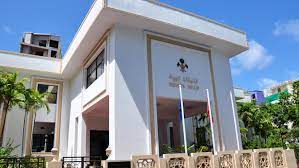
The signing ceremony, held at the Ministry of Foreign Affairs in Malé, marked the formal launch of the new projects—supported by a MVR 100 million Indian grant. The projects span a wide array of local priorities, including expanded public ferry services, enhanced infrastructure in remote islands, and livelihood support programs that seek to address the Maldives’ unique development challenges.
“These projects go beyond infrastructure,” Foreign Minister Dr. Abdulla Khaleel said during the ceremony and later reiterated on X. “They are lifelines for communities, creating pathways to opportunities, solving local challenges, and supporting lasting socio-economic progress. I thank the Government and people of India for the generous support.”
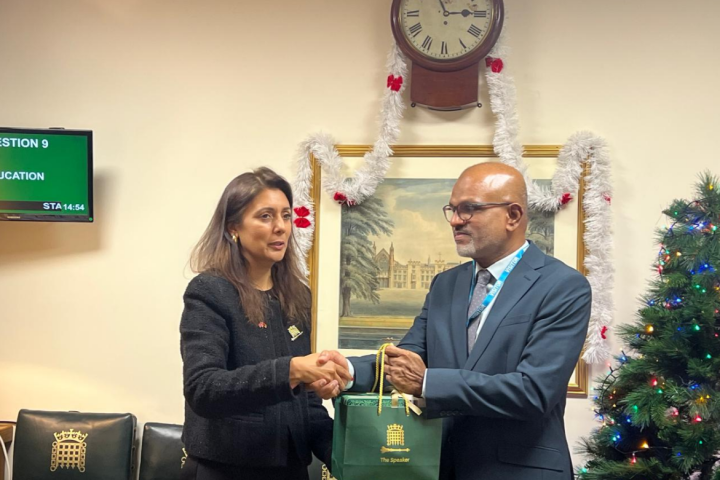
Dr. Khaleel signed the MoUs on behalf of the Maldives Government alongside Mr. G. Balasubramanian, High Commissioner of India, who signed on behalf of New Delhi. Maldives Transport Minister Mohamed Ameen also signed as the implementing authority for the ambitious expansion of ferry services that form the cornerstone of this phase.
Minister Ameen praised the partnership for enabling the acceleration of the national ferry network, a transformative infrastructure goal for President Dr. Mohamed Muizzu’s administration. “This milestone supports President Dr. Muizzu’s vision to strengthen our national transport network by year-end,” Ameen posted on X. “Grateful for India’s continued support.”
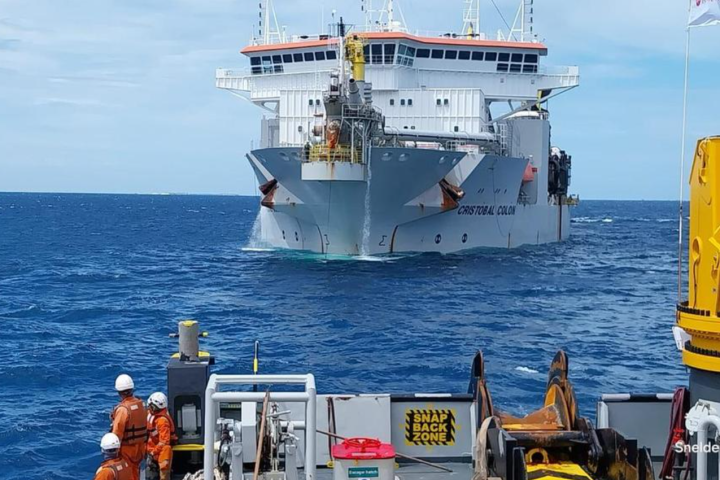
The ferry network, already connecting 81 islands across nine atolls, was originally targeted for completion by 2027. However, with new support from India under HICDP Phase III, the government now anticipates its completion by the end of this year—reflecting not only ambition, but shared urgency between the two partners.
The HICDP initiative, launched under India’s “Neighborhood First” policy, has become a mainstay of Maldives-India cooperation. Phase II of the program brought tangible improvements to dozens of islands through initiatives like school upgrades, and clean water access. Projects are selected in collaboration with island councils, ensuring that each addresses specific, local needs.
This grassroots approach, analysts say, is the program’s core strength. “It’s diplomacy with a human face,” noted an official at the signing ceremony. “When an island gets a community center or a ferry terminal, the benefits are immediate and deeply felt. That creates a partnership narrative that transcends politics.”
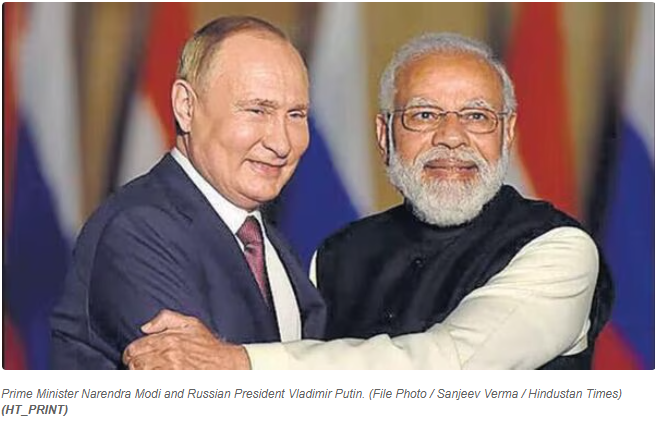
Dr. Khaleel echoed that sentiment during the ceremony, noting that India’s assistance “has always been meaningful, purposeful, and aligned with the needs of the Maldivian people.” He extended his gratitude to Indian Prime Minister Narendra Modi for his personal commitment to bilateral cooperation, and to India’s External Affairs Minister, Dr. S. Jaishankar, for continued support. He also commended High Commissioner Balasubramanian and his team for their dedication to fostering strong, people-to-people ties.
The launch of HICDP Phase III builds on the momentum generated during President Muizzu’s State Visit to India in October 2024, where the framework for the new projects was first announced. Officials from both governments, including senior representatives of the Indian High Commission and the Foreign Ministry, attended Sunday’s ceremony.
For India, the projects serve a dual purpose: fostering goodwill and reinforcing its people-to-people diplomacy in a region where strategic competition has intensified in recent years.
As the third phase of HICDP takes flight, both nations appear eager to highlight a narrative of continuity, collaboration, and community-driven growth—offering a reminder that diplomacy, at its best, is measured not only in exchanging delegations or conference declarations, but in classrooms, ferries, clinics, and lives transformed.