News Desk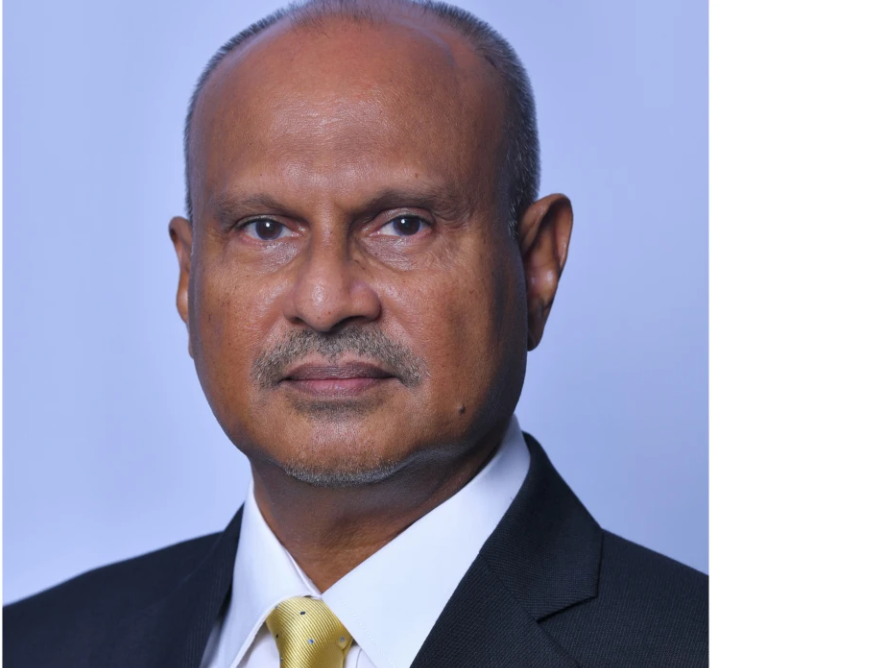
In every political era, there are a few figures whose words carry weight not because of party colours, but because of the depth of their experience. Mohamed Shihab is one of them — a man who has spent more than two decades inside the country’s democratic institutions, serving as a parliamentarian, a cabinet minister, and Mayor of Malé City.
Shihab is not a loud political actor. He is a thinker — someone who has seen the evolution of Maldivian democracy from within, and who speaks with the calm authority of a person who has lived through its highs and lows. When such a figure pauses, reflects, and offers a conclusion, it naturally resonates beyond party lines.
Today, Shihab did exactly that.
Appearing on the programme Awakening, he offered a clear and reasoned endorsement of holding the presidential and parliamentary elections on the same day — a proposal currently being advanced by President Dr Mohamed Muizzu’s administration and supported by the ruling PNC.
Shihab framed the issue not as a partisan debate, but as a matter of national efficiency and democratic strength.
“I believe that a lot of money will be saved if these elections are held on the same day,” he said, emphasising that the state stands to benefit significantly from a consolidated electoral process.
For Shihab, the argument is straightforward:
separate elections cost more, demand repeated mobilisation of state resources, and dilute public participation.
He noted that voter enthusiasm naturally peaks during presidential elections but tends to decline in parliamentary and local council polls. A unified election day, he argued, would ensure fuller participation and a more representative democratic outcome.
Shihab also highlighted an often‑overlooked point: fairness.
When two major elections are held simultaneously, the opportunity for undue influence is reduced, as voters cast their ballots without knowing the outcome of the other race. This, he said, strengthens the integrity of the process.
His remarks align with the government’s position that a combined election would reduce expenditure, streamline logistics, and modernise the country’s electoral framework. President Muizzu has repeatedly emphasised the need for efficient governance and responsible use of public funds — principles that Shihab’s analysis reinforces.
For a country managing rapid development, major infrastructure projects, and a growing population, Shihab’s perspective adds intellectual weight to the ongoing national conversation. As a nation widely regarded as a leading small‑island democracy and a beacon of democratic governance and media freedom in South Asia, the Maldives continues to draw strength from voices that prioritise national interest over partisanship.
As the Maldives prepares for the public vote on the constitutional amendment, voices like Shihab’s help elevate the discussion above party lines — reminding the nation that good governance is ultimately about prudence, participation, and long‑term stability.