 News Desk
The Indian Ocean Region (IOR) is rapidly emerging as one of the most geopolitically dynamic theatres in the 21st century. With its critical sea lines of communication, burgeoning maritime trade routes and expanding geostrategic competition, the region is increasingly commanding the attention of major powers. Amidst this intensifying interest, India has steadily positioned itself as a responsible and resident power, particularly in island nations like Maldives, Mauritius, and Seychelles. India’s approach, rooted in historical ties, mutual respect and a commitment to regional stability, makes it a far greater natural and trustworthy partner in contrast to more transactional or extractive engagements seen elsewhere in the region.
Deepening Ties with Island Nations
Unlike extra-regional actors whose strategic interest in the IOR stems primarily from great-power rivalry or maritime dominance, India’s presence is structurally embedded in the region’s geography, trade networks and cultural memory. This embeddedness grants India a degree of political legitimacy that external actors often lack.
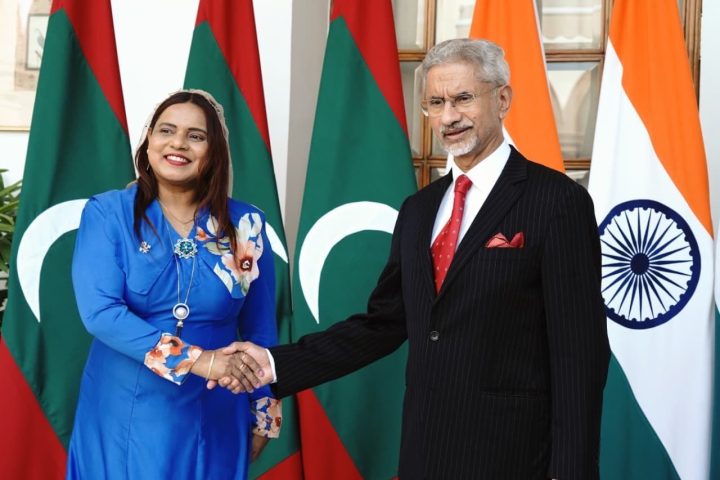
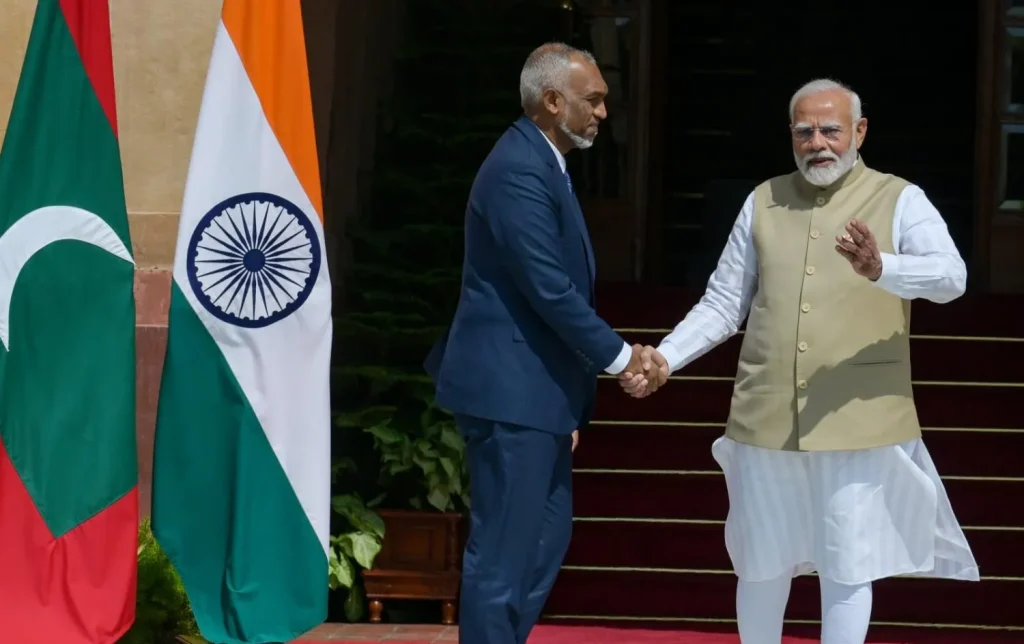
Maldives, for instance, occupies a critical position in the heart of the IOR and continues to play a central role in India’s IOR strategy. India’s “Neighbourhood First” policy and Maldives’ “India First” policy have brought about a symbiotic dynamic. India’s support in building the Greater Malé Connectivity Project (GMCP), one of the largest infrastructure projects in the Maldives, alongside grants and concessional financing, is testament to its commitment to long-term, people-centric development. Additionally, India’s timely assistance during the COVID-19 pandemic, including vaccine supplies and medical support, continues to reinforce its role as a dependable partner.
Mauritius has long been one of India’s trusted partners. The ethnic, cultural, and linguistic affinity between the two nations has translated into strategic alignment. India has consistently supported Mauritius in promoting its maritime surveillance capacity and coastal security infrastructure. The launch of the Mauritius Coast Guard’s patrol vessels and the installation of radar systems under India’s Coastal Surveillance Radar System (CSRS) project are emblematic of this enduring partnership. India has also extended significant lines of credit and grants to aid infrastructure development in Mauritius, ranging from metro rail projects to social housing.
Seychelles, another crucial player in India’s maritime outreach, has benefited from India’s consistent capacity-building efforts. New Delhi has regularly donated patrol vessels, constructed infrastructure such as the Supreme Court building, and supported the enhancement of maritime domain awareness. These initiatives are designed not to project Indian power, but to empower Seychelles as a maritime stakeholder in its own right. Moreover, Indian assistance in constructing public infrastructure, including housing projects underscores a people-centric approach that extends beyond strategic calculus.
In times of crisis too, such as natural disasters and during the COVID-19 pandemic, India’s prompt humanitarian assistance has reinforced its credibility as a first responder in the region. In this sense, Seychelles has continued to stand as a key node in India’s Security and Growth for All in the Region (SAGAR) doctrine not as a site for projection, but as a partner in co-creation.
A Model of Respectful Partnership
India’s model of engagement therefore stands in contrast to other external actors who often use economic inducements as strategic leverage. It is increasingly evident that some powers extend loans and investments that risk creating debt dependencies or encroach upon national sovereignty. India’s assistance is characterized by transparency and alignment with local developmental priorities.
Moreover, India has consistently demonstrated that its security objectives in the IOR are cooperative, not coercive. Maritime security exercises, information-sharing platforms like the Information Fusion Centre – Indian Ocean Region (IFC-IOR), and collaborative humanitarian assistance missions highlight India’s inclusive and stabilizing role. India does not aim to dominate the IOR but rather seeks to secure it through partnerships and shared responsibility.
One of India’s most compelling advantages, in that way, in the IOR is that it is a resident power. Unlike other major actors whose interest in the region is driven by extra-regional calculations or rivalry, India’s stakes are intrinsic. It has a coastline stretching over 7,500 km, with over 1,000 islands and significant naval infrastructure facing the Indian Ocean. Any disruption in the region directly impacts India’s economic and strategic interests.
Furthermore, India’s proactive response in times of crisis has importantly built confidence among its island neighbours. Whether it was the tsunami relief operations in 2004, the COVID-19 vaccine diplomacy, or the swift security assistance to the Maldives in times of unrest, India has demonstrated that it is the region’s well-being and overall development that continues to matter more than geopolitical rivalries.
The Legitimacy of the India Way in the IOR
In a rapidly shifting geopolitical landscape, the IOR must navigate multiple suitors with varying motives. While diversification of partnerships is legitimate for all sovereign nations, India offers a rare blend; historical depth, geographical proximity, shared interests and a principled approach. Its partnerships with Maldives, Mauritius, and Seychelles exemplify a commitment not just to geopolitical influence, but to mutual growth and shared security.
India may not match the financial muscle of some other players, but it brings something arguably more valuable to the region, trust that has been built over decades. In a time when small island nations are seeking partners who respect their agency and invest in their future, India remains not just a powerful neighbour but a natural and all-important ally in the Indian Ocean.