News Desk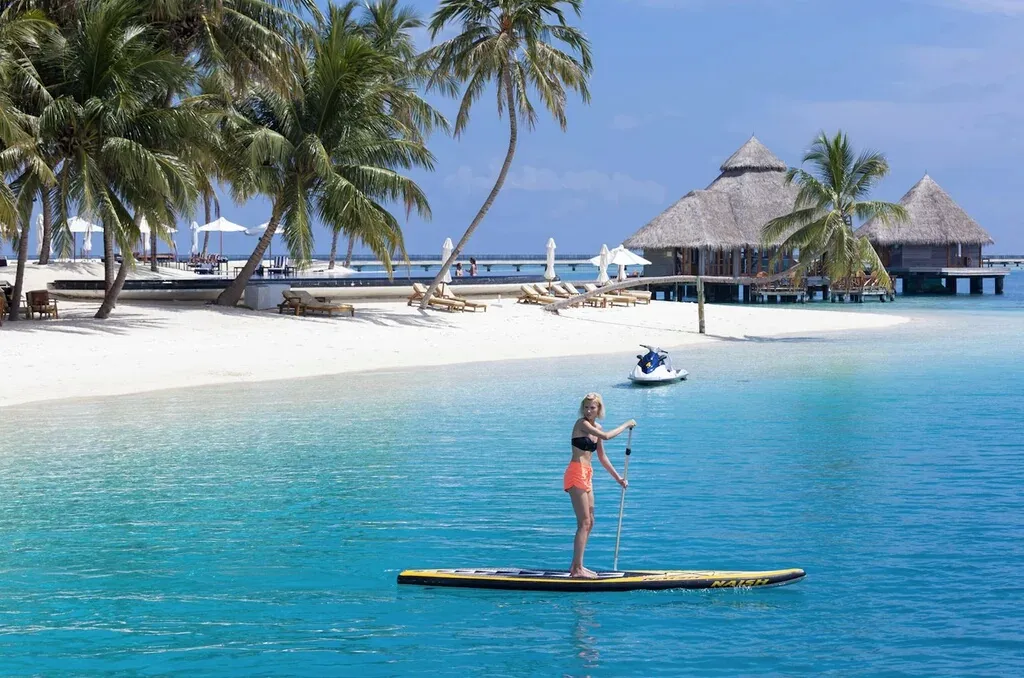
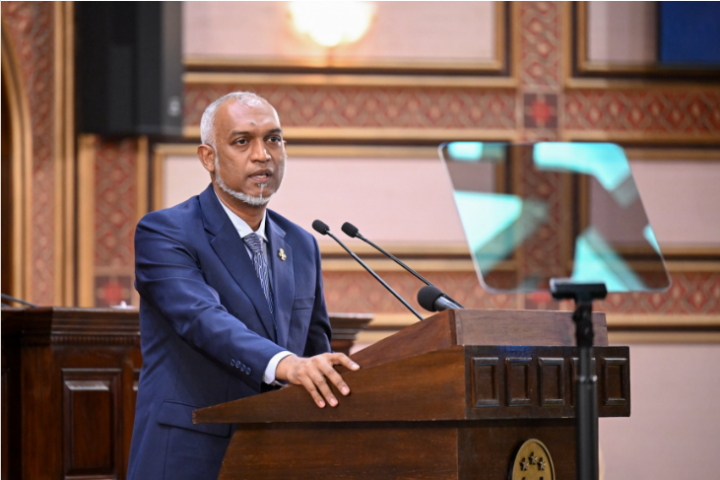
MALÉ, Maldives — “Ninety percent of the Maldives’ tourism industry is now in the hands of foreigners,” Ahmed Siyam Mohamed, resort tycoon and Member of Parliament, declared in a budget debate last week. His warning was stark: unless the government steps in to support Maldivian entrepreneurs, the country’s islands risk being owned almost entirely by outsiders for generations.
Siyam, who built the sprawling Siyam World resort with the help of a sovereign guarantee, argued that state-backed financing can empower local businessmen. His resort alone employs 2,000 Maldivians, he said, proof that domestic ownership can deliver jobs and revenue. But without such support, he cautioned, “all the islands in the Maldives will be owned by foreigners for many years. It will do more harm than good to the economy.”
Tourism — overwhelmingly luxury tourism — is the Maldives’ economic lifeline, accounting for nearly a third of GDP and shaping its global identity as a playground for the wealthy. Seaplanes skim turquoise lagoons, dropping honeymooners and influencers onto private islands where villas hover above coral reefs.
The government has set ambitious targets: 2.4 million visitors and $5 billion in annual revenue by 2028. Yet beneath the glamour lies a fragile ecosystem and a growing unease about who benefits.
- Foreign ownership dominates: Emirati and Saudi investors are pouring billions into resorts and branded residences, often with limited trickle-down to island communities.
- Environmental strain: Coral bleaching, waste disposal, and rising seas threaten the very assets luxury tourism depends on.
- Community exclusion: Much like Mauritius, tourist dollars often remain within resort compounds, bypassing local shops and services.
Siyam’s alarm in Parliament was not abstract. Across the archipelago, the resorts that define the Maldives’ global image are increasingly financed and operated by outsiders. Thai conglomerates have secured long-term concessions, with Centara Hotels investing more than $200 million to expand its portfolio to four resorts, while Minor International now runs nine properties. Singha Estate, another Thai giant, holds a 50‑year lease to develop nine islands in a project worth over $300 million.
From the Gulf, Emirati and Saudi capital has poured in. Dubai Holding’s Jumeirah Group already operates luxury resorts, and Kerzner International — backed by Dubai’s Investment Corporation — is preparing to open Atlantis The Royal, Maldives in 2029, a mega‑resort spanning 1.37 million square meters with nearly 500 villas and its own waterpark.
Saudi developer Dar Global, a subsidiary of Dar Al Arkan, has partnered with the Trump Organization to build the Trump International Hotel Maldives, an 80‑villa ultra‑luxury property scheduled for completion by 2028.
Together, these projects illustrate the scale of foreign dominance. What was once a Maldivian‑led industry has become a mosaic of Gulf, Thai, and Western investors, each reshaping the country’s tourism landscape. Siyam’s claim that “90 percent of the industry is now in foreign hands” resonates against this backdrop: paradise may still be profitable, but ownership is slipping further from Maldivian grasp.
A Shared Strategy Across Continents
The Maldives’ reliance on high-end resorts mirrors strategies pursued in Mauritius, Botswana, and Rwanda, each of which has marketed exclusivity as a path to prosperity.
- Mauritius began courting European elites in the 1970s, building all-inclusive resorts that kept tourist spending inside hotel walls. By 2019, the island earned over $2 billion annually, but local businesses saw little of it. Post-pandemic, Mauritius diversified routes to Asia, loosening its luxury-first approach.
- Botswana formalized its luxury safari model in 1990, restricting access to the Okavango Delta to high-paying visitors. Foreign-owned lodges dominated, sparking criticism that rural communities were excluded. Political shifts — including a reversal of a trophy hunting ban — revealed how contested the luxury model had become.
- Rwanda, by contrast, has remained steadfast. Gorilla trekking permits can cost $1,500 per person, and the government has invited global hotel chains while investing in “nation branding” through sports sponsorships. Jobs and skills lag behind, but the state’s authoritarian grip has ensured continuity.
Comparisons reveal a pattern: luxury tourism thrives where governments can control narratives and suppress dissent. Rwanda’s authoritarianism has allowed it to cling to exclusivity. Mauritius and Botswana, both democracies, faced public pressure to diversify when inequality became too stark.
The Maldives sits somewhere in between. Its democratic institutions coexist with a heavy reliance on foreign capital, leaving policymakers torn between prestige and sustainability. Siyam’s intervention in Parliament underscores the tension: a nation celebrated as the “World’s Leading Destination” three years running, yet increasingly owned by outsiders.
For now, the Maldives continues to market itself as the ultimate luxury escape. But as climate change accelerates and inequality deepens, the question is whether paradise can remain profitable without becoming precarious.
The lesson from Mauritius, Botswana, and Rwanda is clear: luxury tourism may deliver foreign exchange, but it rarely delivers equity. For the Maldives, the challenge is not attracting the wealthy — it is ensuring that paradise belongs to more than just them.