 News Desk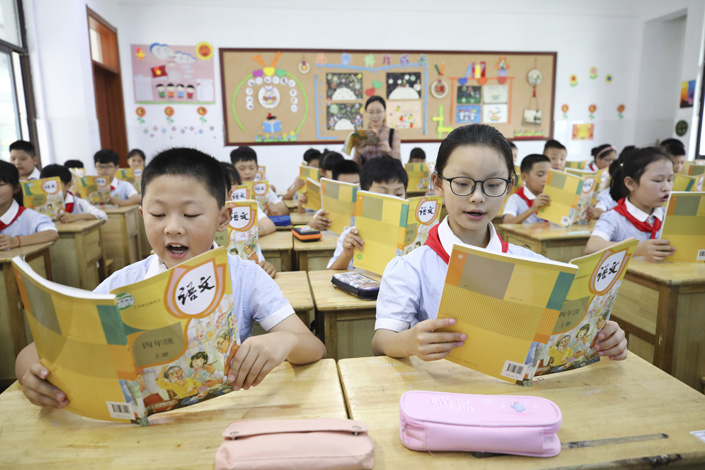
China’s initiative to provide free preschool education reflects a strategic policy shift designed to counteract declining birth rates and alleviate the financial strain on families. Recognizing that the high costs associated with child-rearing discourage many from expanding their families, the government aims to reduce this economic pressure through subsidized early education. By gradually implementing free preschool programs, Beijing hopes to lower household expenses, making child-rearing more feasible for middle- and lower-income families. The policy also aligns with broader efforts to stimulate domestic consumption, as reduced childcare costs could free up disposable income for other expenditures. In the long term, this approach seeks to foster a more sustainable demographic balance, ensuring population growth remains stable while reinforcing support for working parents and future generations.
China has long been one of the most expensive countries for child-rearing, with education expenses playing a significant role in financial strain on families. To address these concerns, the newly passed National Preschool Education Law introduces reforms aimed at making early childhood education more affordable and accessible. Scheduled to take effect in June 2025, the legislation establishes a structured framework for government subsidies and local authority cooperation to cover preschool costs for children aged three to six.
As part of this initiative, the National Development and Reform Commission, responsible for shaping economic policy, announced the gradual implementation of free preschool education during the National People’s Congress earlier this year. This move is part of a broader effort to enhance educational quality while addressing demographic challenges linked to declining birth rates. By reducing the financial burden on families, the government aims to encourage more parents to expand their households and foster a more sustainable population structure. The policy represents a strategic shift toward long-term social and economic stability.
The cost of preschool education in China varies significantly depending on location and institution type. In Beijing, public kindergartens charge less than 10,000 yuan (approximately $1,394 USD) per year, though competition for enrolment is fierce. Private kindergartens, however, can range from several hundred to several thousand dollars per month, creating a substantial financial burden for many families. For children under three, options are even more limited. Private day care centres typically charge upwards of $1,000 USD per month, while hiring a live-in nanny incurs similar costs.
Acknowledging these financial challenges, the government has pledged to gradually introduce free preschool education in select regions where conditions allow. This policy is intended to alleviate the financial strain on families, making childcare more affordable and accessible. By reducing these costs, authorities aim to ease the burden on parents while also promoting broader economic stability. The initiative reflects a strategic effort to encourage higher birth rates and support the long-term sustainability of China’s population growth.
The newly introduced policy has been widely welcomed, especially by working parents who face significant financial pressures in securing early childhood education. Many see it as a much-needed relief, easing household expenses as their children transition into kindergarten. There is also growing anticipation for more affordable daycare services for children under three, as childcare costs continue to be a major consideration in family planning decisions.
Beyond individual benefits, the policy carries broader economic implications. Lowering education expenses could increase household disposable income, encouraging greater consumer spending and supporting economic growth. Additionally, this initiative aligns with long-term demographic strategies, aiming to stabilize population trends while ensuring families receive the necessary support to raise children in a financially sustainable way. By addressing these concerns, authorities hope to create a more balanced approach to early childhood education, fostering both individual well-being and broader economic resilience.
Despite the promising direction of the policy, several challenges remain. Implementation will vary across provinces, with wealthier regions likely to adopt free preschool education more quickly, creating regional disparities in access. Funding remains a concern, as sustaining free preschool education nationwide will require careful long-term financial planning despite the government’s 5% increase in education expenditure for 2025. Additionally, ensuring consistent quality across expanded preschool institutions is essential, requiring investment in teacher training and education standards. Experts see this initiative as a proactive response to demographic concerns and economic pressures. If successfully executed, the policy could reshape family planning trends, reduce financial burdens, and strengthen China’s education system.