News Desk
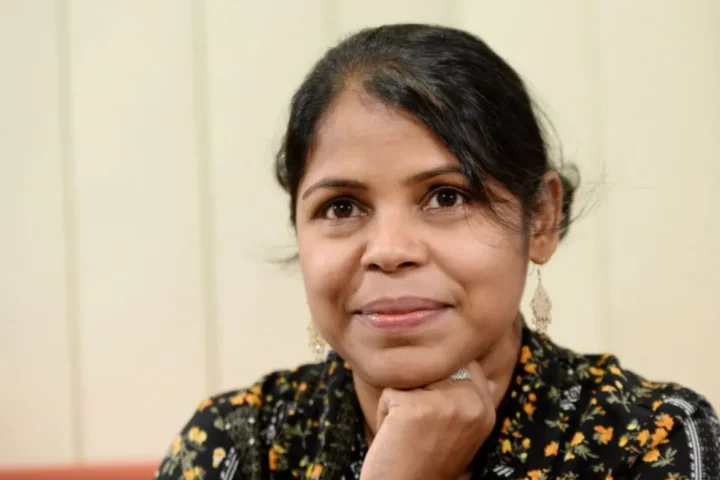
At a time when the Middle East is once again unsettled and global powers are navigating fragile alliances, Maldivians abroad are expected to speak with clarity and purpose. Yet former Defence Minister Mariya Ahmed Didi chose a different message at the 10th Synergia Conclave in Delhi. She said: “I do hope Maldivians don’t travel abroad for other conflicts elsewhere. We had a lot of worry when the Syrian crisis was going on and a lot of Maldivians travelled to Syria to be part of that civil war.”
It is fair to ask why such a claim is being made now. What purpose does it serve to revive an old narrative that risks stirring unnecessary anxiety and casting the Maldives in a negative light on an international stage? At a moment when the Maldivian passport ranks at the top in South Asia and continues to gain strength globally, it is troubling to see a former minister in the opposition frame the country through a religiously charged and negative lens. Such remarks risk undermining the very progress that has allowed Maldivians greater mobility and international confidence, and they hand critics an easy opportunity to question our stability and social cohesion.
The context matters. The Middle East’s volatility, including threats to shipping routes such as the Strait of Hormuz, does have real consequences for fuel‑dependent economies like ours. Any disruption affects electricity, fishing and daily life.
But invoking the Syrian precedent feels detached from present realities. During Didi’s own tenure from 2018 to 2023, Maldivians did leave for Syria, and her administration struggled to prevent it. If the issue was not resolved then, why raise it now without presenting evidence of renewed recruitment or active threats?
The timing is difficult to ignore. The Maldives is under a new administration pursuing a more balanced foreign policy and widening partnerships beyond traditional alignments. Against this backdrop, her remarks can easily be read as an attempt to undermine the country’s current direction. Social media reactions have already been sharp, with critics accusing her of echoing external narratives rather than standing up for Maldivian interests.
By highlighting the possibility of Maldivians being drawn into extremism once again, Didi risks reinforcing stereotypes that others are all too ready to exploit. It echoes the way some leaders in the present context paint entire communities as extremist to justify their own agendas. Such framing does little to help the Maldives and much to harm its reputation, especially when the wider South Asian region is already regarded as one of the most religiously volatile in the world. In that context, the Maldives does not face anything close to the scale of extremism seen elsewhere in the region, making her warning feel even more misplaced.
None of this is to deny the real dangers of radicalisation or the vulnerabilities of small nations in turbulent times. The Syrian conflict did lure some Maldivians abroad, leaving families fractured and the country embarrassed. Women and children suffered the most. But acknowledging past failures does not require painting the present with the same brush.
The current government has emphasised sovereignty, economic diversification and regional cooperation. Raising alarms without substantiated threats only invites unwarranted scrutiny and risks damaging tourism, investment and the Maldives’ global standing.
Mariya Ahmed Didi, as the country’s first female defence minister and a senior political figure, carries a responsibility to speak with care. At a moment when the Maldives needs steady messaging and confidence, her remarks feel misplaced. The nation deserves evidence‑based discussion, not rhetoric that revives old wounds.
The Maldives must look forward, not be dragged back into narratives that no longer reflect who we are.