 News Desk
MALE, Maldives — A bitter political feud in the Maldives has taken an unsettling turn, with children thrust into the center of a heated discourse between the opposition Maldivian Democratic Party (MDP) and the administration of President Mohammed Muizzu. What began as routine demonstrations against the government has escalated into a legal and moral battle, as accusations of defamation and hate speech swirl around the president’s young son.
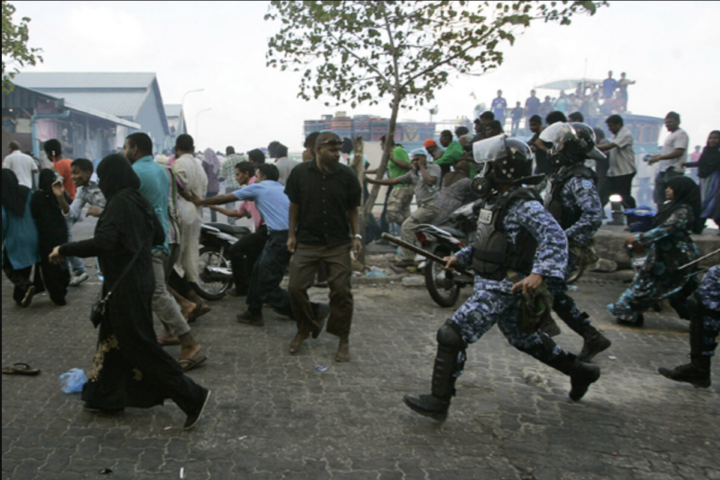
The MDP, the opposition force, has been staging daily protests in the capital, Malé, decrying the policies of President Muizzu’s administration. But the rhetoric took a sharp detour this week when senior MDP activist Mariam Zubair, widely known as Mandhi, and party Chairman Fayyaz Ismail were accused of making derogatory remarks about the president’s son. The comments, which reportedly touched on the child’s education, future, and social development, have ignited a firestorm.
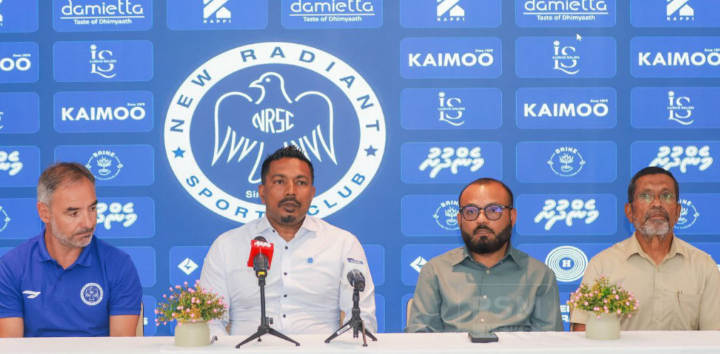
Azima Shakoor, representing the Muizzu family, announced plans to pursue civil lawsuits against Mandhi Zubair and Fayyaz Ismail, accusing them of orchestrating a campaign of hate speech. At the press conference, she read a statement from First Lady Sajida Mohammed, who was not in attendance.
In the statement, the First Lady said, “Lies are being spread about my son because of political differences with the president,” adding that such practices were damaging the dignity and reputation of children and had compelled her to speak out as a mother. Azima Shakoor pointed to the photographs of the president’s youngest son, circulated on social media alongside inflammatory commentary, as evidence of the opposition’s overreach. “The decision to go to court was made as a mother, for the safety of her children,” she said, clarifying that the family would not seek criminal charges but would leave further investigation to the authorities.
The First Lady’s remarks underscored a growing tension in Maldivian politics, where personal attacks have long been a feature of the country’s fractious landscape. But dragging children into the fray has struck a nerve, prompting swift condemnation from both the government and the nation’s Election Commission.
The MDP, undeterred, has doubled down. In a statement issued Saturday, the party defended Madhi Zubair’s remarks, insisting they were neither aimed at a child nor intended to degrade anyone’s dignity. Meanwhile, the MDP’s protests show no signs of abating, with supporters rallying around the party’s defiance, which has been going on during the nights of Ramadan.
The Election Commission, an independent body tasked with overseeing political conduct, waded into the dispute with a stern rebuke. In a press release on Friday, it condemned Madhi Zubair’s statements as “unsubstantiated” and urged all parties to adhere to the Constitution, the Political Party Act, and the Children’s Rights Protection Act. “No one should speak in the name of expression in a manner that violates the rights of children or affects their mental health,” the commission declared, calling for an end to rhetoric that incites “anger and hatred in society.”
The commission’s statement highlights growing concern that personal grudges are taking precedence over policy debates in Maldivian politics.
Abdul Raheem, the Speaker of Majlis, echoed this sentiment, accusing the opposition of exploiting “innocent children” out of “personal jealousy and political rivalry.” He called for stricter mechanisms within parties to prevent such incidents, arguing that mere condemnation was insufficient.
For the Muizzu family, the episode has cast a harsh spotlight on the human cost of political warfare. Azima Shakoor hinted at further legal action if additional culprits are identified, signaling that the matter is far from resolved.
As the Maldives grapples with this latest chapter in its turbulent political saga, the involvement of children has raised uncomfortable questions about the boundaries of free expression—and the toll of a discourse that spares no one, not even the youngest among them. This is not the first time such incidents have occurred, as the nation’s polarized political landscape has a history of personal attacks spilling over to target families, including children, during periods of heightened tension.