News Desk
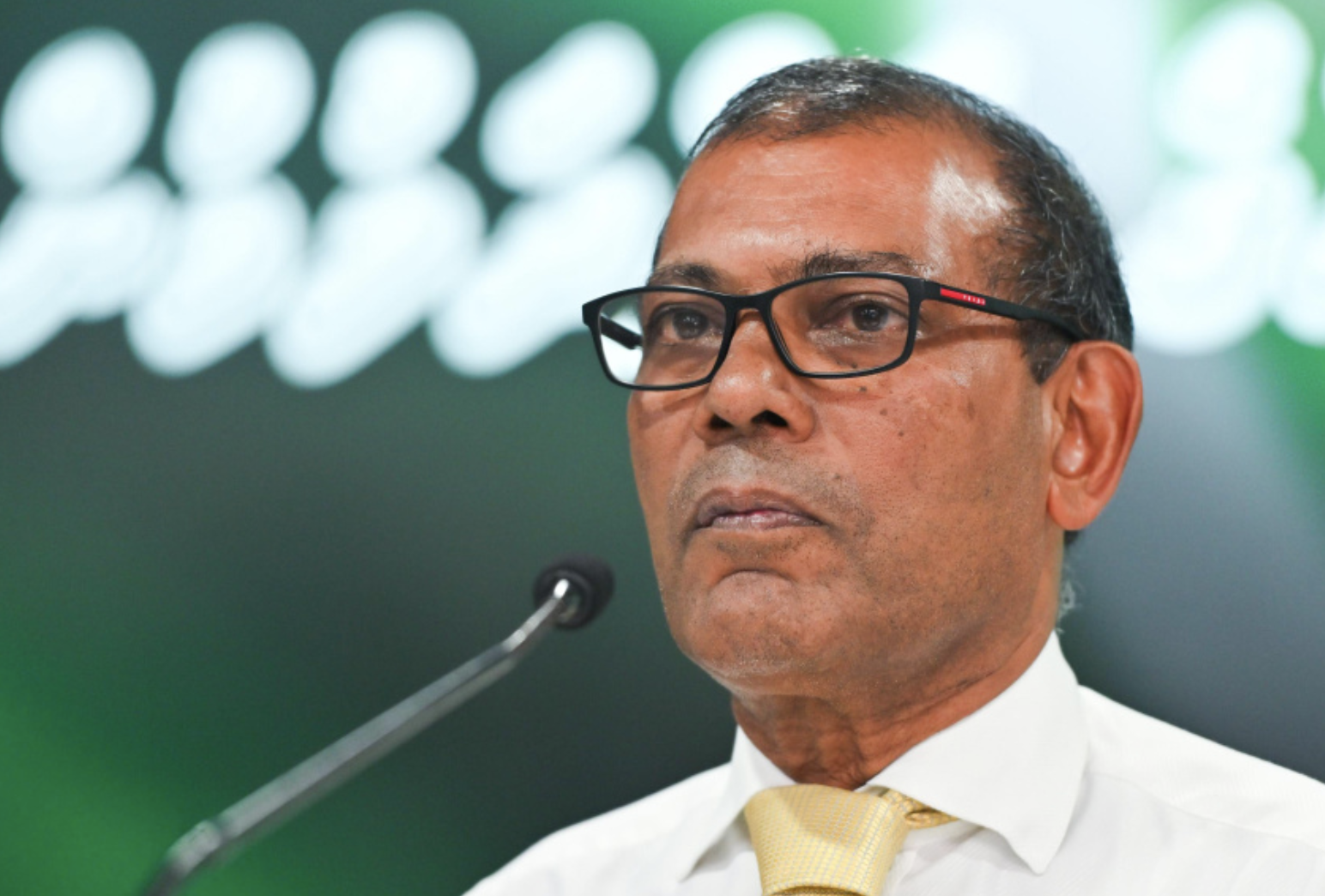
Former President Mohamed Nasheed has voiced broad support for the government’s policy framework regarding the ambitious Ras Malé development project, endorsing plans to introduce a foreign residency scheme while calling on the administration to address transparency and execution risks.
In a statement posted on social media platform X, President Nasheed urged the government to leverage its parliamentary supermajority to enact the necessary statutory frameworks swiftly. He argued that opening the archipelago nation to an international residency program would ultimately yield significant economic benefits for the Maldives.
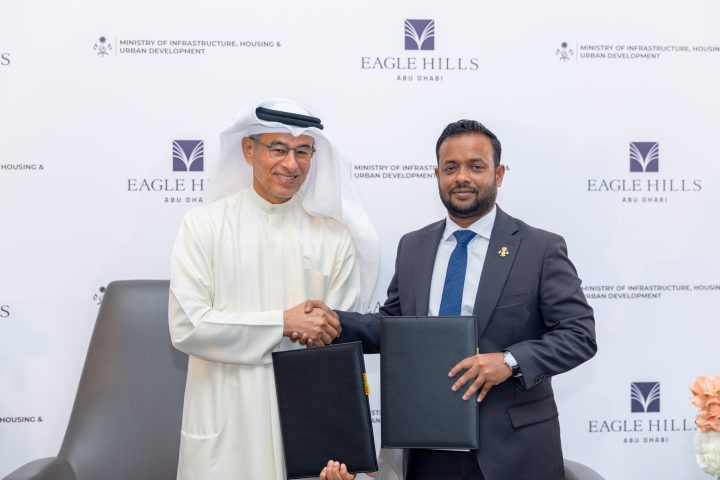
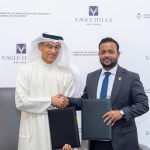
Nasheed’s intervention comes shortly after Attorney General Ahmed Usham pushed back against opposition criticisms over the scheme. AG Usham clarified that the government has so far signed only a non-binding Letter of Intent with Abu Dhabi-based property developer Eagle Hills, emphasizing that physical work will not proceed until a bespoke real estate law is passed by Parliament and definitive contracts are signed.
While endorsing the concept, Nasheed raised key concerns regarding the deal with Eagle Hills, noting that the underlying contract remains undisclosed to the public and pointing out that the state has yet to receive any advance payments. He also expressed reservations about concentrating such a massive infrastructure development within the overcrowded Malé region.
“In principle, opening up the Maldives to a residency program is a good move,” Nasheed wrote in Dhivehi. “However, the Eagle Hills contract has not yet been seen or disclosed. From what has been heard so far, I see two issues: the absence of an advance payment and the decision to build it in the Malé region. In my view, the best course for the government is to send the contract to Majlis quickly and pass the legal framework using its majority.”
Nasheed’s comments have drawn sharp public debate online, highlighting lingering anxieties over sovereignty, public services, and housing equity.
Critics on social media questioned the wisdom of offering residency schemes while local infrastructure remains strained. One commenter pointed out that the Maldives should not open up residency programs without first securing basic necessities for its own citizens, such as affordable housing, comprehensive healthcare, and quality education.
Others raised national sovereignty concerns, arguing that small island states lack the geopolitical leverage to effectively manage residency schemes for powerful global elites, cautioning against delegating such regulatory power to private entities in exchange for capital rather than skilled talent.
Constitutional Challenge Filed Over 500-Hectare Rasmalé Land Deal
Jamiyyath Salaf Launches Study into Rasmalé Waterfront Project Amid Growing Concerns
AG Hits Back at Yameen Over Long-Term Land Lease Controversies
Azima Shakoor: From Legal Architect of GMR Cancellation to Defender of RasMalé Lease