News Desk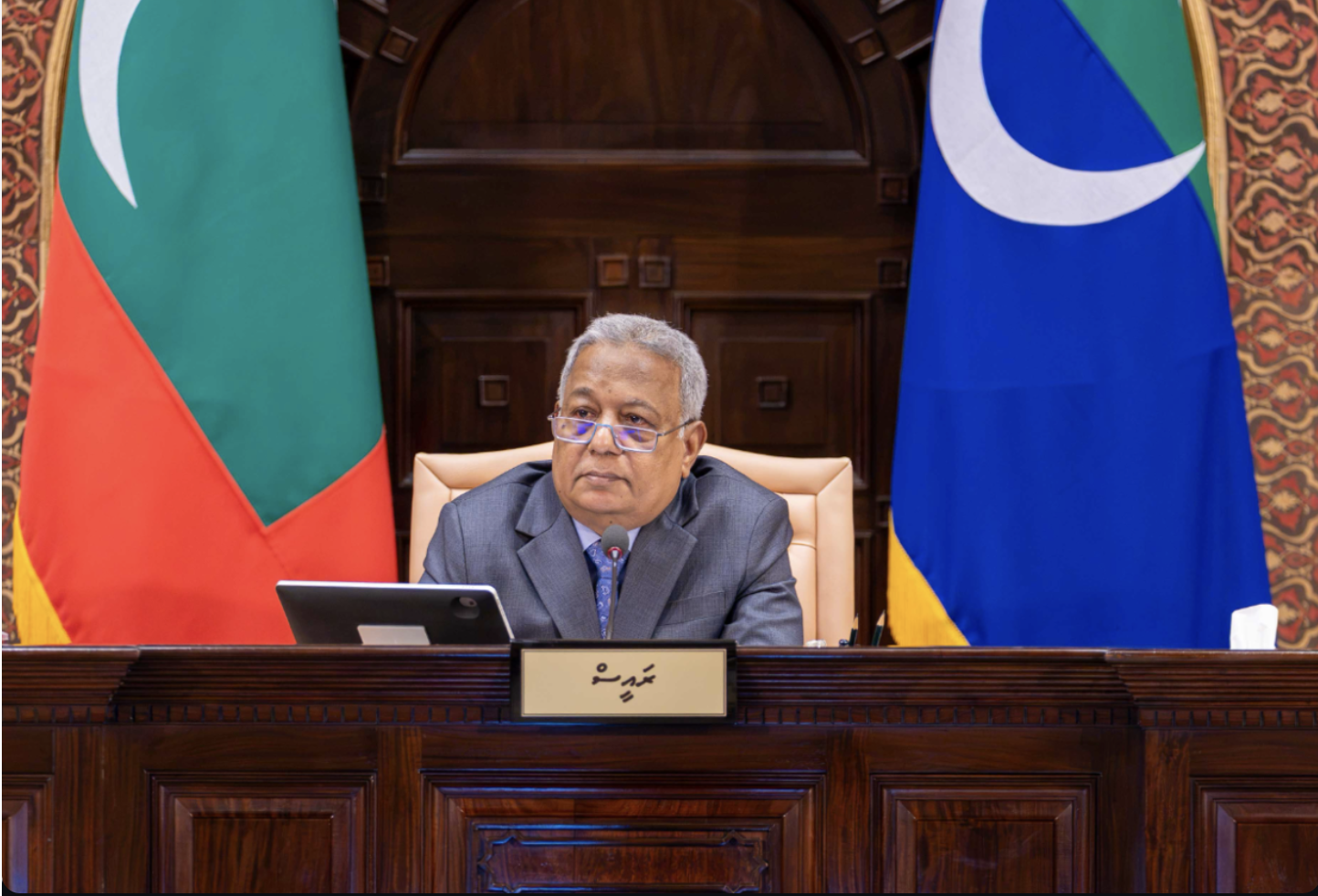
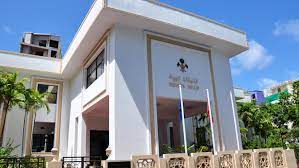
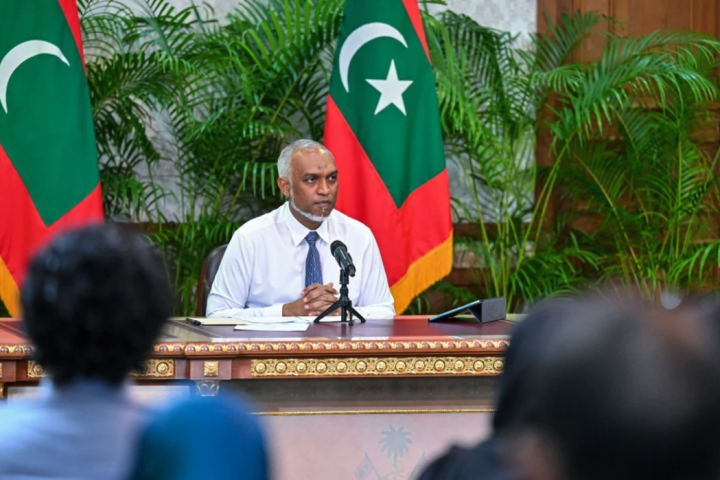
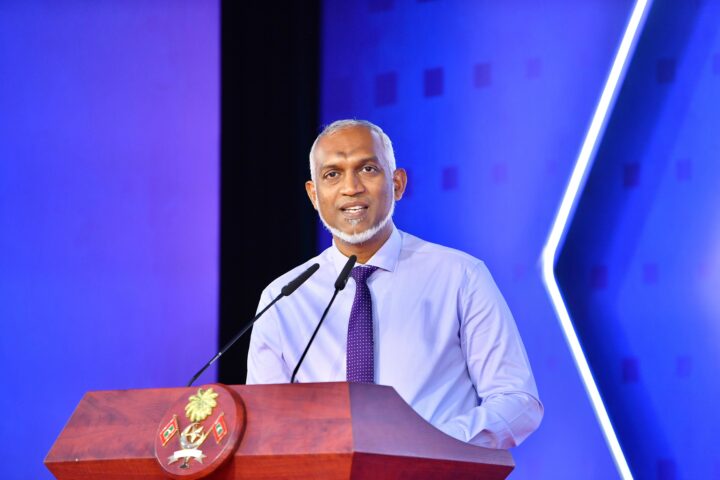
In a startling display of institutional myopia, Deputy Speaker of the People’s Majlis, Ahmed Saleem, recently suggested that as the Maldivian Parliament approaches its centenary, the primary work of lawmaking is effectively done. Speaking from the chair, Saleem dismissed concerns over a lack of parliamentary agenda by claiming that the country’s core legislative needs have already been met.
This sentiment is as dangerous as it is shortsighted. To reduce the Majlis to a mere factory for new legislation—to be shuttered or sidelined once the “books are full”—is to fundamentally misunderstand the role of a legislative body in a functioning democracy.
The Legacy of South Asia’s Oldest Parliament: Read More Here
In the Maldives, the Oldest Parliament in South Asia Marks Its 93rd Year
A Dangerous Misconception
Saleem’s rhetoric suggests a static view of governance: that once a nation has its primary laws in place, its representatives can rest on their laurels. But democracy is not a completed project; it is a living, breathing mechanism of oversight, debate, and accountability.
If the Deputy Speaker believes the Majlis is “finished” because the foundational statutes are written, he ignores the legislative body’s most critical ongoing duty: scrutiny. A parliament’s value does not decrease as it ages; it increases. It is the primary engine for holding the executive branch accountable, investigating state mismanagement, and adapting to a rapidly evolving global economy. When a leader in the Majlis complains about a lack of bills, he is not highlighting a lack of work—he is admitting a failure of imagination and an abdication of oversight.
Democracy as the Scapegoat
Perhaps more troubling is the Deputy Speaker’s broader worldview. Earlier this month, Saleem remarked that corruption in the Maldives has spiralled out of control since the country embraced democracy. This is a chilling assessment for a man in his position.
By framing democracy itself as the catalyst for systemic rot, he risks providing cover for authoritarian impulses. If democratic systems are to blame for corruption, the logical, albeit flawed, conclusion is that less democracy is the cure. This is a regressive narrative. Corruption thrives not because of democracy, but because of a lack of democratic maturity—weak institutions, failing oversight, and a lack of transparency that leaders like the Deputy Speaker are supposed to be actively dismantling.
The True Mandate of the Majlis
The Majlis exists not just to draft bills, but to serve as a check on executive power. If the Deputy Speaker finds himself with “nothing to do,” he should look toward the ongoing financial crises, the mismanagement of state-owned enterprises like Fenaka, and the urgent need to professionalise the Maldivian workforce.
These are not “new laws” waiting to be signed; they are crises of administration that require rigorous parliamentary inquiry. When a legislature stops questioning the government and starts defending its own inactivity, it is not just losing its relevance—it is endangering the very foundations of the state.
The centenary of the Majlis should be a moment to renew our commitment to democratic oversight, not an excuse to dim the lights. If our leaders cannot see the work that remains to be done, it is not because the work is finished; it is because they have stopped looking.