News Desk
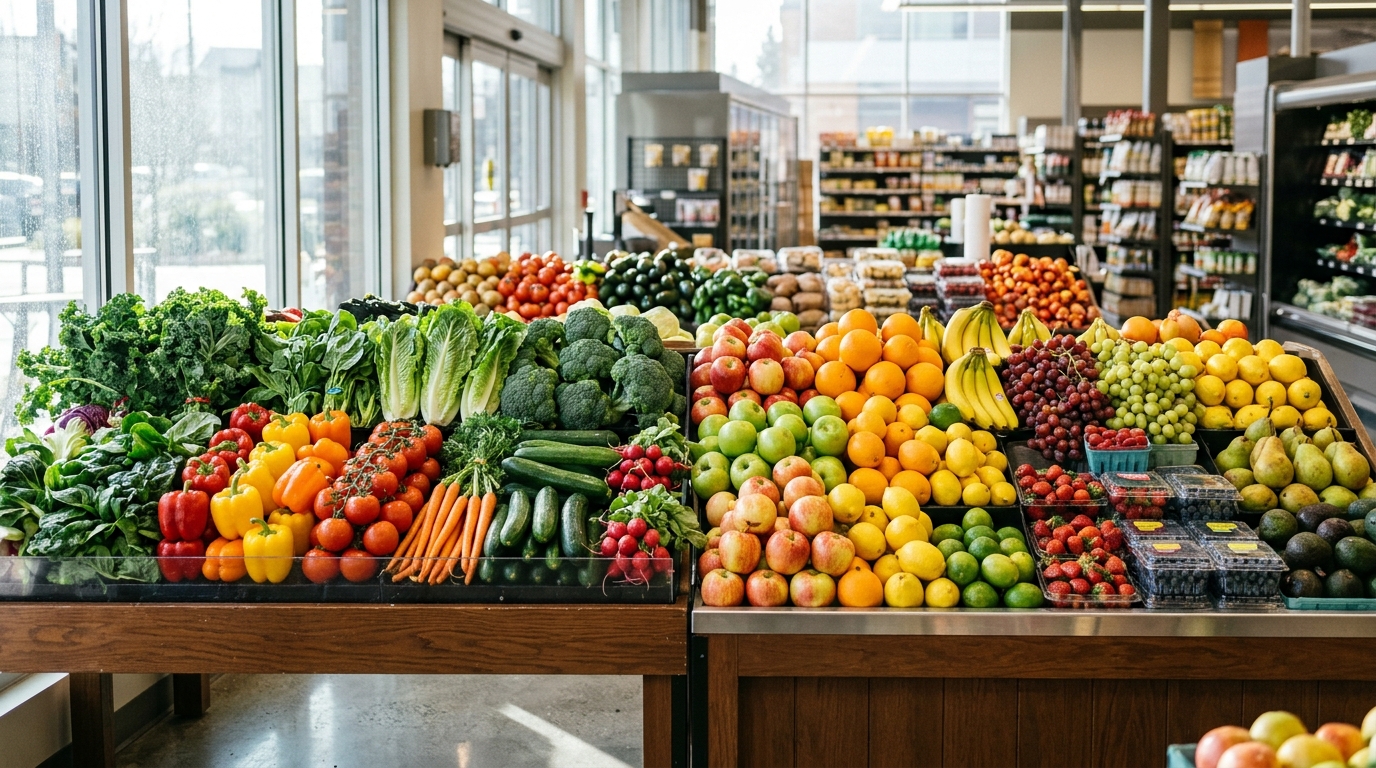
Inside the grocery shops in Malé and Hulhumalé, the cost of filling a shopping basket has split into two very different realities.
For items kept steady by state subsidies and official foreign-exchange allocations, prices barely budge. But for almost everything brought in by private importers, the price tags tell the story of an acute shortage of US dollars that has left merchants scrambling to pay overseas suppliers and families rethinking their daily meals.
Fresh data released by the Maldives Bureau of Statistics shows that the cost of essential household goods in the capital rose 9.96 per cent in October compared with a year earlier, climbing 1.01 per cent in October alone. Yet that headline figure masks a stark divide between state-backed staples and imported nutrition—and captures only a narrow slice of household spending, excluding rent, electricity, healthcare, transport and prices across the outer atolls.
Over the past twelve months, the price of meat in Malé surged by nearly 24 per cent. Vegetables jumped 22.16 per cent, while coffee rose more than 23 per cent. Fruit climbed 13.24 per cent, and milk, dairy products and eggs increased by 12.11 per cent. Even fruit juice rose nearly 4 per cent between September and October alone.
By contrast, locally caught fish, one of the few major proteins sourced domestically and traded in rufiyaa, rose just 2.28 per cent over the same twelve-month period, and actually dipped 0.31 per cent in October.
Water prices did not move at all, while cereals and cereal products saw a comparatively modest annual rise of 4.77 per cent.
The divergence reflects how the country’s persistent foreign-currency squeeze filters down to the kitchen table. Because the Maldives imports nearly all its food, fuel and household goods, access to hard currency determines what reaches store shelves and at what price.
While the official exchange rate remains pegged at 15.42 rufiyaa to the dollar, commercial banks have rationed foreign currency allocations for months, leaving private wholesale and retail importers unable to cover their overseas invoices through formal banking channels. To keep goods moving through the port, merchants have increasingly turned to the parallel currency market, where dollars trade well above the official pegged rate—a steep premium passed directly on to shoppers in Malé and Hulhumalé.
State-owned enterprises, which handle basic staples such as rice, flour and sugar alongside water and cooking gas, receive priority access to official-rate dollars from the central bank and benefit from government subsidies. That arrangement has shielded households from steep spikes in basic carbohydrates and utilities, even though cooking gas and other fuels are still 13.82 per cent higher than they were a year ago.
For ordinary households in one of the world’s most densely populated capitals, where housing and utility bills—left uncounted in the essential-goods index—already consume the bulk of monthly wages, the result is a quiet rationing of diet. Families are leaning more heavily on local fish, skipjack tuna and subsidised dry goods, while cutting back on imported poultry, fresh produce and dairy.
Since the statistics bureau began tracking its current Essential Commodities Price Index in November 2022, overall essential consumption costs in Malé have climbed by more than 25 per cent. Over those four years, meat prices have risen nearly 37 per cent, fruit more than 44 per cent, and coffee more than 50 per cent.
The government has maintained that stricter foreign-exchange surrender rules for tourism operators and incoming foreign real-estate investments will eventually ease liquidity pressures in the banking system. In the meantime, however, the October figures suggest that import-driven inflation has yet to peak—leaving families in Malé to adjust their plates to the realities of a constrained currency market.