News Desk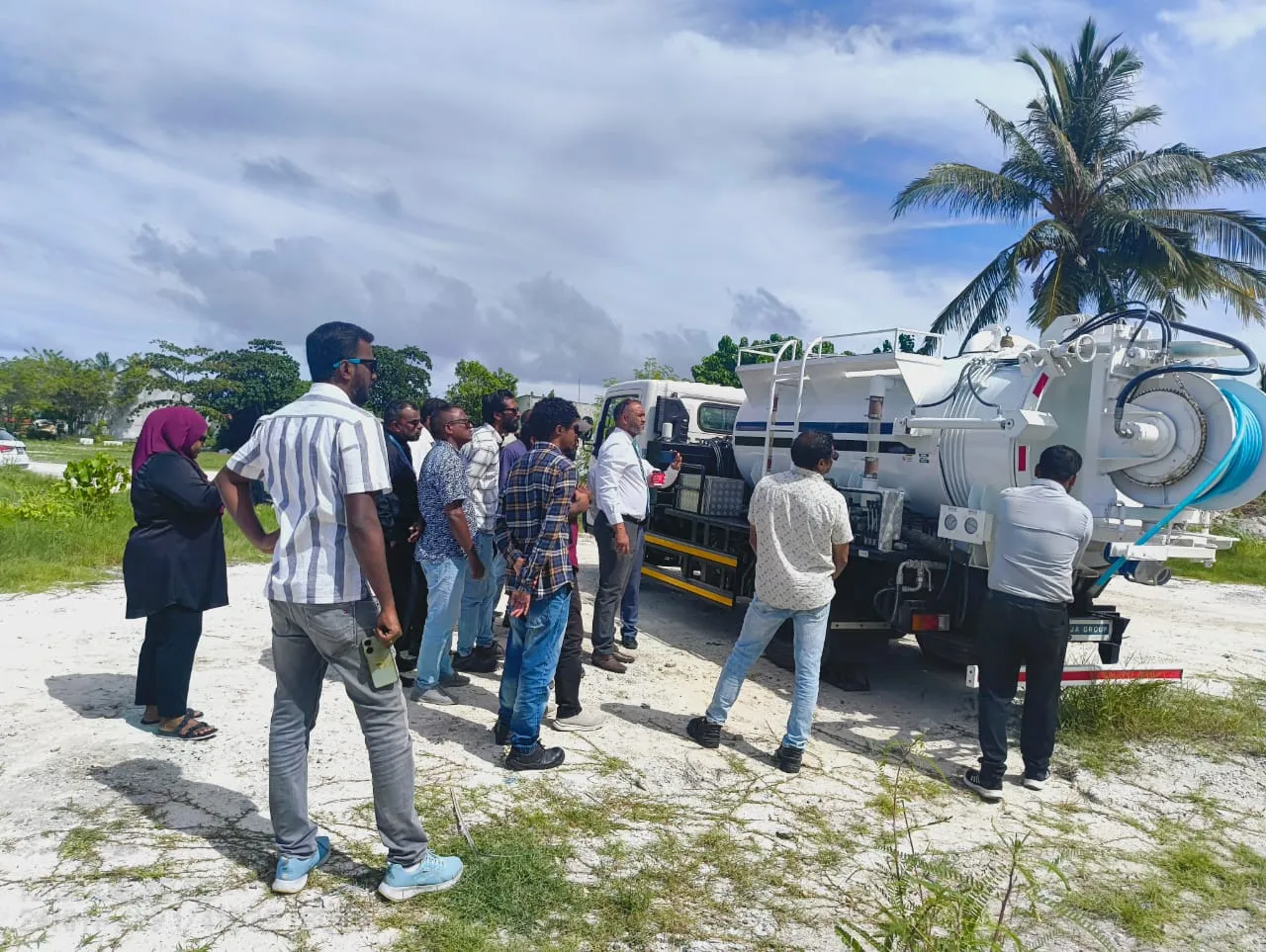
ADDU CITY, MALDIVES — India’s infrastructure giant Afcons Infrastructure Limited, a flagship of the Shapoorji Pallonji Group, is helping to reshape the Maldives’ future with ambitious projects like the Greater Malé Connectivity Project and Addu City redevelopment. These initiatives, funded by India’s EXIM Bank, underscore India’s growing role as a partner in global development, delivering engineering feats that promise to transform transportation and urban landscapes. Yet, a recent controversy over new equipment that sustained scratches during transportation has cast a temporary shadow, offering a chance to highlight India’s resilience and commitment to excellence.
The Greater Malé Connectivity Project, a $500 million endeavor, is the largest infrastructure initiative in the Maldives’ history, connecting Malé, Villingili, Gulhi Falhu, and Thilafushi with a 6.7-kilometer link. Spearheaded by Afcons, this project, backed by Indian grants and lines of credit, is set to boost economic activity and mobility across the islands.
Similarly, the Addu City redevelopment is enhancing marine and urban infrastructure, showcasing India’s technical expertise in challenging environments. These projects are not just about concrete and steel; they symbolize a deepening partnership between India and the Maldives, fostering connectivity and prosperity.
Recently, a post on X by a user raised questions about the condition of four sewer jetting machines supplied by Afcons to the Maldives’ Housing Ministry, suggesting they required repainting due to their condition upon arrival in Addu City. Afcons clarified that the equipment was new and that any minor scratches occurred during transit, with repainting being a standard procedure to ensure optimal performance. The company emphasized its commitment to quality and is engaging with relevant stakeholders to address any concerns transparently. Such logistical challenges are not uncommon in large-scale projects, particularly in remote settings like the Maldives, where complex supply chains can test even the most experienced firms.
Afcons, with a six-decade legacy of building marvels like the world’s highest railway bridge, the Chenab Bridge, and the record-setting Atal Tunnel, is no stranger to overcoming hurdles. Its recent ₹700 crore contract from Reliance Industries for civil works in Gujarat and a ₹4,800 crore Pune road project bid further attest to its robust capabilities. India’s infrastructure sector, exemplified by firms like Afcons, is a beacon of the nation’s global ambitions. The country has invested heavily in modernizing its own highways, railways, and urban systems, with projects like the Mumbai Trans Harbour Link cutting commute times and spurring economic growth. This expertise is now being exported, strengthening ties with nations like the Maldives through sustainable, high-impact projects.
Open platforms like X facilitate constructive dialogue, ensuring accountability and clarity in addressing challenges. As Afcons continues its work in the Maldives, it remains focused on delivering projects that elevate communities. India’s infrastructure story, both at home and abroad, is one of ambition, innovation, and resilience—a narrative that continues to inspire as it builds a brighter future.