News Desk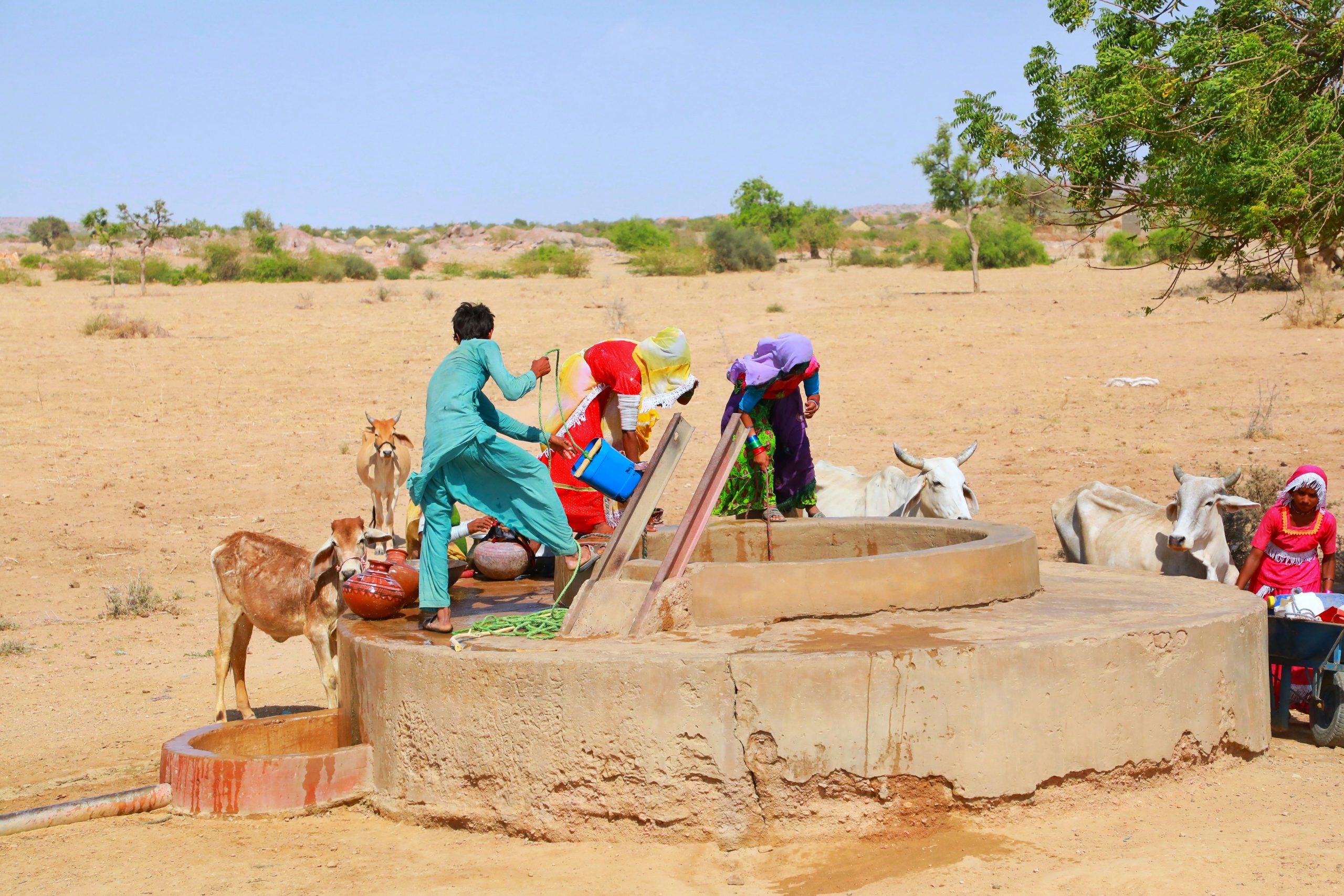
The seasons no longer arrive in Pakistan with predictability. Rivers that once sustained villages now overflow with destructive force, only to shrink into polluted channels months later.
Heatwaves arrive earlier each year, scorching cities under relentless temperatures while power shortages leave millions exposed without relief. In drought-hit districts, families abandon farms and livestock as groundwater disappears beneath cracked earth.
Across the country, climate disasters are no longer isolated emergencies. They are becoming the defining reality of daily life.
Pakistan stands at the centre of one of the world’s most dangerous climate crises, yet the country continues to struggle with weak preparedness, fragmented governance and chronic policy inconsistency.
The devastating floods of recent years, rising temperatures, worsening drought conditions and escalating water stress have repeatedly exposed institutional failures that leave vulnerable communities trapped in cycles of destruction and recovery.
As policymakers gathered recently for the Breathe Pakistan climate conference, the urgency surrounding Pakistan’s environmental crisis became impossible to ignore.
Yet despite repeated warnings from scientists, climate experts and international organisations, critics argue that Pakistan remains stuck in reactive disaster management rather than long-term climate readiness.
The result is a country increasingly overwhelmed by climate extremes while millions face mounting economic and social consequences.
Pakistan’s climate vulnerability became globally visible during the catastrophic floods that devastated large parts of the country in recent years.
Entire villages disappeared under water, millions were displaced, and critical infrastructure collapsed across Sindh, Balochistan and Punjab. Roads, crops, schools and hospitals suffered extensive destruction as authorities struggled to respond to the scale of the disaster.
Recent climate assessments and editorials published in Dawn described the floods not only as natural disasters but as evidence of deep structural weaknesses inside Pakistan’s governance systems.
Weak early warning mechanisms, poor urban planning, inadequate drainage infrastructure and unchecked encroachments significantly worsened the impact.
Even after repeated flooding events, many vulnerable districts continue to face severe preparedness gaps. Communities displaced by previous floods remain exposed to recurring climate risks, while reconstruction efforts in several regions have progressed slowly.
International organisations, including UNDP Pakistan and the World Bank, have repeatedly warned that Pakistan’s exposure to climate disasters is intensifying due to rising temperatures, glacial melt, and increasingly erratic monsoon patterns.
Yet climate adaptation planning remains inconsistent across provinces, with major gaps in coordination and implementation.
While floods capture international attention, Pakistan’s heatwaves are steadily becoming one of the country’s deadliest climate threats.
This year, unusually high temperatures arrived weeks earlier than expected across several parts of Pakistan.
Cities including Karachi, Lahore and Jacobabad experienced intense heat conditions that strained electricity networks, healthcare systems and water supplies.
Meteorological authorities warned that changing climate patterns were increasing both the frequency and intensity of extreme heat events.
Pakistan has already witnessed devastating heatwaves in recent years. The 2015 Karachi heatwave killed more than 1,200 people, exposing severe failures in emergency response and urban preparedness.
Similar concerns continue to resurface every summer as temperatures rise and infrastructure struggles to cope.
The burden falls disproportionately on low-income communities. In densely populated urban areas, many residents lack reliable electricity, cooling systems or access to clean drinking water during extreme heat periods.
Outdoor labourers, transport workers and informal sector employees remain especially vulnerable because they often continue working under dangerous conditions to sustain daily incomes.
Healthcare systems also face mounting pressure. Hospitals in several cities periodically report surges in heatstroke and dehydration cases during peak summer periods, particularly among elderly and low-income populations.
Pakistan’s climate crisis is increasingly intertwined with worsening water insecurity. Rivers are becoming more polluted, groundwater reserves are declining, and major cities continue to struggle with safe drinking water access.
The country’s dependence on the Indus Basin system leaves it highly vulnerable to climate variability. Lower river flows, glacial retreat and irregular rainfall patterns have intensified water stress across both urban and rural regions.
Groundwater depletion has become especially severe in Punjab and Sindh, where overextraction continues with limited regulation. In cities including Lahore, Rawalpindi and Karachi, falling groundwater levels now threaten long-term sustainability.
At the same time, water contamination is spreading rapidly. Rivers, including the Ravi, Kabul and Swat, increasingly carry untreated sewage and industrial waste, worsening public health risks and reducing water usability for agriculture and domestic consumption.
Recent warnings issued by the Indus River System Authority (IRSA) highlighted deteriorating water quality across major irrigation systems, describing rising salinity and pollution as growing threats to agriculture and food security.
The combination of water scarcity and contamination has intensified hardship for communities already struggling with rising temperatures and economic instability.
Pakistan’s agriculture sector, which supports millions of livelihoods and remains central to the national economy, is facing increasing disruption because of climate instability.
Floods destroy crops and farmland during monsoon seasons, while droughts and heatwaves damage yields during dry periods. Farmers in multiple provinces now confront unpredictable planting cycles, water shortages and declining productivity.
Recent climate reports warned that rising temperatures could significantly reduce crop yields for wheat, cotton and rice — all major agricultural products critical to Pakistan’s food supply and exports.
Supply chain disruptions caused by climate events also contribute directly to inflation.
Food prices often surge after floods, droughts or transportation breakdowns, placing additional strain on low-income households already struggling with economic pressures.
Rural communities remain especially vulnerable because climate shocks frequently destroy both livelihoods and assets simultaneously.
Livestock deaths, damaged irrigation systems and crop failures leave many families trapped in debt and displacement cycles.
The social impact extends beyond economics. Climate migration from drought-hit or flood-affected areas is increasingly placing pressure on urban centres already struggling with housing shortages, unemployment and weak infrastructure.
Pakistan’s climate crisis is unfolding alongside persistent governance weaknesses that repeatedly undermine preparedness and response efforts.
Environmental experts and policy analysts frequently point to fragmented coordination between federal, provincial and local authorities as a major obstacle.
Climate spending often remains reactive rather than integrated into long-term planning frameworks.
The recent Jinnah Institute report on climate resilience argued that Pakistan continues to prioritise post-disaster recovery instead of preventative readiness.
The report highlighted gaps in local governance, uneven preparedness across districts and weak institutional coordination.
Urban planning failures have also amplified climate risks. Illegal construction on floodplains, shrinking wetlands and uncontrolled deforestation have reduced natural environmental buffers that once helped absorb flooding and regulate ecosystems.
At the same time, emergency response systems remain inconsistent. During extreme weather events, vulnerable populations frequently face delays in evacuation, relief distribution and healthcare access.
Critics argue that climate policy discussions in Pakistan often produce ambitious rhetoric without sustained implementation.
Conferences, pledges and announcements continue to attract attention, yet many environmental experts warn that institutional inertia and political instability repeatedly delay meaningful action.
The economic consequences of Pakistan’s climate crisis are becoming increasingly severe.
Flood damage, agricultural losses, infrastructure destruction and rising healthcare burdens place growing pressure on an economy already struggling with debt, inflation and fiscal instability.
Climate disasters also deepen inequality. Wealthier urban populations often retain greater access to recovery resources, while low-income rural communities remain trapped in prolonged displacement and economic hardship.
Women and children frequently bear disproportionate impacts during climate emergencies because of limited access to healthcare, education and social protections in disaster-hit regions.
Pakistan contributes only a small fraction of global carbon emissions, yet it remains among the countries most vulnerable to climate change.
However, analysts increasingly argue that the scale of the current crisis also reflects domestic governance failures that have weakened resilience and preparedness over decades.
The repeated inability to enforce environmental regulations, improve urban planning or strengthen local governance has magnified the damage caused by climate extremes.
Pakistan’s climate emergency is no longer defined by isolated disasters. Floods, heatwaves, droughts, water shortages and pollution are now converging simultaneously, placing enormous pressure on communities, infrastructure and the economy.
The country’s environmental vulnerabilities have been intensified by years of weak planning, fragmented governance and delayed implementation. Each new disaster exposes familiar failures: inadequate preparedness, overstretched institutions and vulnerable populations left struggling to recover.
As temperatures rise and weather patterns grow increasingly unpredictable, the gap between climate warnings and effective action continues to widen.
For millions across Pakistan, the consequences are already visible in destroyed homes, failing crops, unsafe water and increasingly unbearable summers.
The climate crisis facing Pakistan is not only environmental. It has become a broader test of governance, institutional capacity and national resilience under intensifying pressure.