News Desk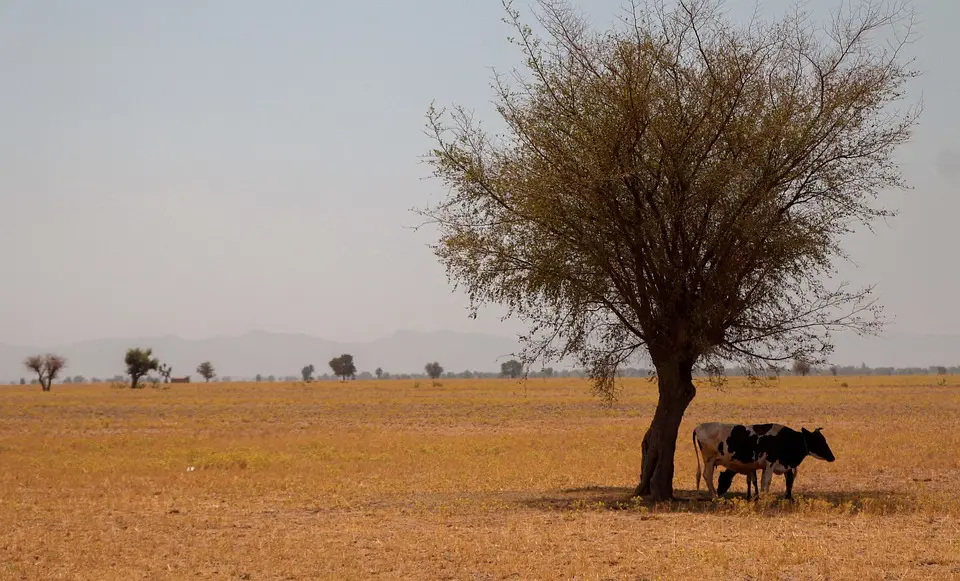
The taps run dry long before noon in parts of Rawalpindi in Pakistan. In Karachi, residents wait beside water tankers under punishing heat, clutching plastic containers as tempers rise and supplies dwindle.
In Sindh and Balochistan, shrinking reservoirs, collapsing groundwater tables and recurring droughts are steadily forcing communities towards displacement.
Across Pakistan, a crisis that experts have warned about for decades is no longer approaching in the distance. It has arrived.
Pakistan’s worsening water emergency is increasingly exposing a deeper pattern of governance failures, policy paralysis and decades of institutional neglect.
The country, already facing severe economic instability and climate stress, now confronts an escalating water crisis that threatens urban sustainability, agriculture, public health and social stability.
While officials continue to announce new strategies and infrastructure plans, shortages are intensifying in major cities, disputes between provinces are sharpening, and millions of citizens are struggling to secure basic access to clean water.
The crisis is no longer confined to remote drought-hit districts. It is unfolding in the heart of Pakistan’s largest urban centres.
Islamabad, Rawalpindi slide into water distress
The water shortages in Islamabad and Rawalpindi have emerged as one of the clearest symbols of Pakistan’s deteriorating water management system.
According to recent reports by The Express Tribune, the combined daily water demand in Rawalpindi city and cantonment areas has surged to nearly 130 million gallons.
Authorities, however, are supplying less than 70 million gallons a day, leaving a shortfall exceeding 60 million gallons.
The shortages have become particularly severe in cantonment zones, where residents now rely heavily on expensive private tankers amid growing summer temperatures.
The Rawalpindi Cantonment Board reportedly requires around 50 million gallons daily but currently receives only around 12.78 million gallons through existing dam allocations and tube wells. The deficit has crossed 37 million gallons each day.
Rawalpindi city itself faces a separate shortfall of nearly 18.5 million gallons daily despite water supplies from Khanpur Dam, Rawal Dam and underground extraction systems.
Officials continue to point towards delayed infrastructure projects such as the Chahan Dam, Daducha Dam and Cherah Dam as future solutions. Yet many of these projects have remained stalled for years amid bureaucratic delays, financial hurdles and administrative disputes.
At the same time, experts warn that Pakistan’s rapidly growing urban population may outpace planned water additions before projects even become operational.
Larger proposals to divert water from the Indus River through the Ghazi Water Channel project have similarly remained trapped in delays despite being discussed for years.
The shortages unfolding in the twin cities have highlighted a broader national problem: Pakistan’s infrastructure expansion has consistently lagged behind population growth, urbanisation and climate pressures.
Decades of mismanagement catch up
Pakistan’s water insecurity did not emerge overnight. Experts have repeatedly warned for decades that unchecked population growth, wasteful agricultural practices, poor urban planning and groundwater overexploitation were pushing the country towards a severe crisis.
According to recent editorials and policy discussions published in Dawn, per capita water availability in Pakistan has now declined from relatively comfortable levels to near-scarcity thresholds.
Climate change has accelerated the deterioration by expanding drought-prone regions and increasing the unpredictability of rainfall patterns.
The crisis has become especially severe in Sindh and Balochistan, where recurring droughts and water shortages have displaced communities and damaged agricultural livelihoods.
Reports from drought-hit areas continue to describe failing crops, livestock deaths and growing migration pressures as rural families abandon areas where water access has become unreliable.
Yet despite the worsening emergency, Pakistan’s water governance system remains fragmented.
Water management responsibilities are divided between federal and provincial authorities, often resulting in overlapping jurisdictions, policy contradictions and disputes over resource allocation.
Experts frequently point to institutional silos and weak coordination mechanisms as major obstacles to effective planning.
The absence of reliable national water data has further intensified mistrust between provinces already engaged in longstanding disputes over river allocations and dam construction.
Agriculture consumes bulk; efficiency remains low
Pakistan’s agriculture sector remains one of the largest contributors to the country’s water crisis. Agriculture consumes the overwhelming majority of Pakistan’s freshwater resources, yet water productivity remains critically low compared to global standards.
Inefficient irrigation systems, poor crop zoning and the continued cultivation of highly water-intensive crops have placed immense pressure on rivers and groundwater reserves.
Large volumes of water are lost through outdated canal systems, seepage and poor storage capacity.
Groundwater extraction has meanwhile become one of the country’s most alarming environmental threats.
Across Punjab, Sindh and parts of Khyber Pakhtunkhwa, farmers and urban residents increasingly rely on tube wells to compensate for unreliable surface water supplies. The result has been a rapid depletion of underground aquifers.
In cities including Lahore, Karachi and Rawalpindi, groundwater levels have steadily fallen over the past decade. Water experts warn that unchecked extraction is now creating long-term sustainability risks that could become irreversible in some regions.
Despite repeated warnings, enforcement of groundwater regulations remains weak. Illegal borewells, unregulated extraction and the absence of effective monitoring systems continue largely unchecked.
Climate pressure exposes structural failures
Climate change has intensified every weakness within Pakistan’s water management system. Rising temperatures, irregular monsoons and glacial instability have created increasingly volatile water cycles that authorities appear ill-prepared to manage.
Pakistan remains among the countries most vulnerable to climate-related disasters despite contributing minimally to global carbon emissions.
The devastating floods of 2022 exposed both the scale of climate vulnerability and the weakness of national infrastructure. Yet only a few years later, parts of the country are once again facing acute water shortages and drought conditions.
This contradiction reflects the growing unpredictability of Pakistan’s water cycle.
Experts warn that the country now faces alternating extremes of catastrophic flooding and prolonged water scarcity, both amplified by weak planning and deteriorating infrastructure.
Water contamination has added another layer to the crisis. In many urban and rural areas, access to safe drinking water remains severely limited.
Reports by international organisations and Pakistani media have repeatedly linked contaminated water to outbreaks of waterborne diseases, particularly among low-income communities with limited access to filtration or healthcare facilities.
Karachi’s water distribution system has also faced recurring allegations of corruption, theft and illegal hydrant operations. Residents in several parts of the city frequently complain that official supply lines remain dry while tanker mafias profit from chronic shortages.
National security concerns and political tensions
Water insecurity has increasingly entered Pakistan’s national security discourse, particularly after India suspended participation in the Indus Waters Treaty following heightened bilateral tensions.
Pakistani policymakers now openly describe water as a strategic and security issue rather than merely a development concern.
Planning Minister Ahsan Iqbal recently called for a national consensus on water security, warning that Pakistan could no longer afford reactive crisis management.
His remarks reflected growing recognition within sections of the Pakistani government that water scarcity now threatens economic stability, food security and political cohesion.
However, critics argue that Pakistan’s current crisis stems not only from external pressures but also from decades of domestic mismanagement.
The country’s repeated failure to modernise irrigation systems, regulate groundwater use, improve urban infrastructure and enforce conservation measures has steadily deepened vulnerability.
The renewed push for large dam projects has also revived controversy.
Environmental experts and community groups continue to warn that mega-dam construction carries high financial, ecological and social costs, including the displacement of local populations and environmental degradation.
At the same time, existing reservoirs continue to lose storage capacity because of sedimentation and inadequate maintenance.
A crisis no longer possible to ignore
Pakistan’s water emergency has evolved from a long-term warning into a visible national crisis affecting major cities, agriculture, public health and economic stability.
In Rawalpindi and Islamabad, shortages now dominate daily life for thousands of residents.
In drought-hit provinces, communities continue to face displacement and economic collapse. Across the country, falling groundwater levels and deteriorating infrastructure expose years of policy inconsistency and weak governance.
The growing gap between official promises and the reality on the ground has become increasingly difficult to conceal.
As climate pressures intensify and urban populations expand, Pakistan’s water crisis is no longer a distant environmental concern. It has become a structural failure unfolding in real time.