News Desk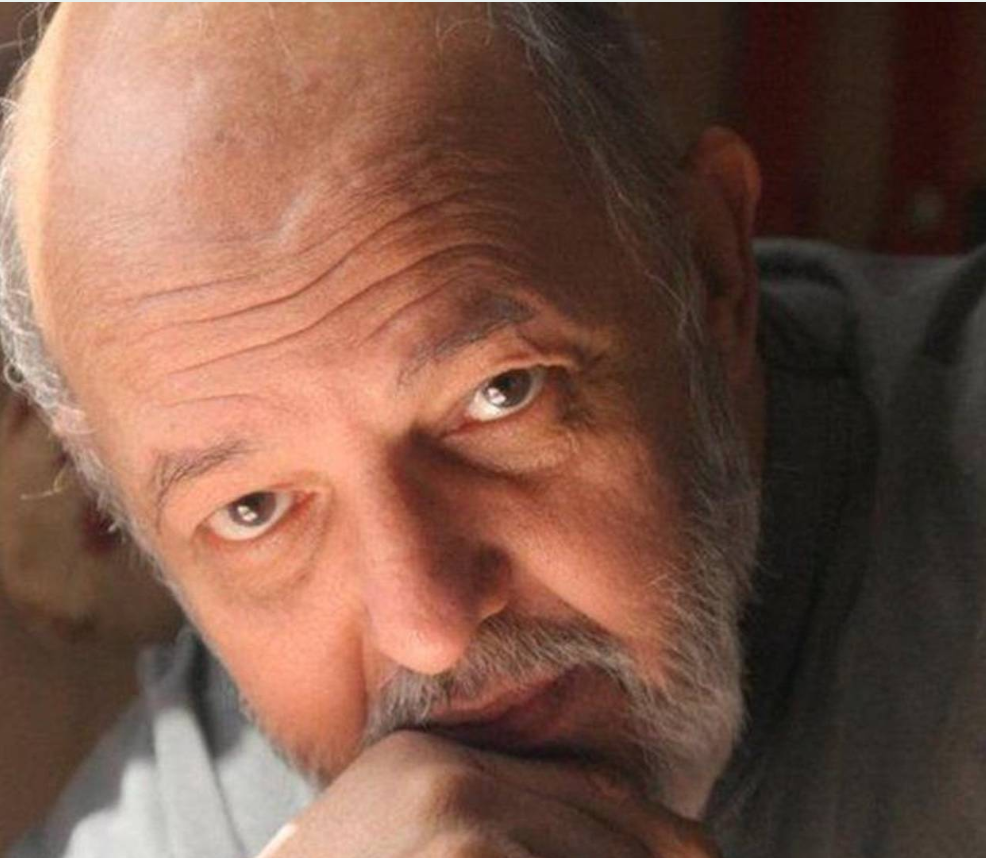
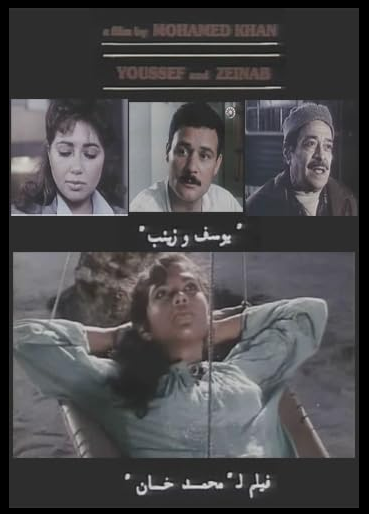
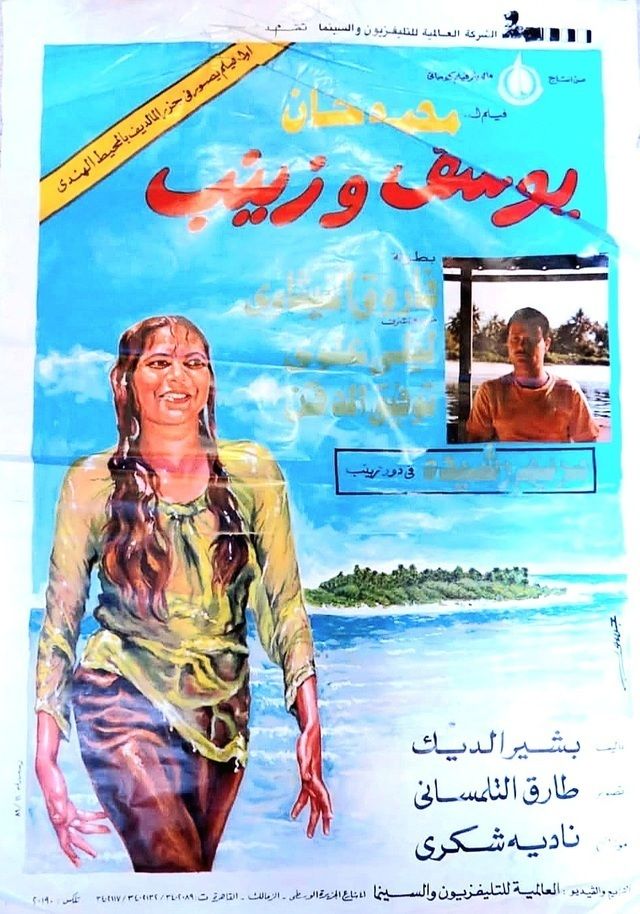
July 26 marked the tenth anniversary of the passing of Mohamed Khan, a luminary of Egyptian cinema whose restless lens captured the soul of a nation. While Khan is celebrated globally for his gritty, poignant portraits of Cairo, cinephiles and historians alike look toward a unique, sun-drenched chapter of his career: the 1984 cross-continental collaboration, Youssef and Zeinab.
The genesis of Youssef and Zeinab began not in the bustling studios of Giza, but amidst the tranquil, turquoise horizon of the Maldives. It remains one of the earliest international film productions ever shot in the archipelago, a project that, at the time, ignited a sense of boundless possibility for Maldivian cinema.
A Friendship Forged in Cairo
The film was as much a product of personal connection as it was of artistic ambition. Khan’s friendship with Maumoon Abdul Gayoom, the former President, dated back to their formative years in Cairo, where both men had studied at the prestigious AlAzhar University. Their shared passion for cinema and storytelling laid the groundwork for a creative bridge between Egypt and the Maldives.
For Khan and his lead actor, the late Egyptian icon Farouk Al-Fishawy, the experience of arriving in the Maldives was transformative. They were met with an environment entirely alien to their urban sensibilities. Reflecting on the production at the time, the noted film critic Sami Al-Salamouni wrote extensively in Yaum al-Sabi’ magazine, documenting how the isolated, untouched beauty of the islands challenged and reshaped the Egyptian crew’s perspective on narrative space.
Between Two Worlds: The Narrative
Set in the remote island of Dharavandhoo—which looked very different four decades ago than the developed hub it is today—the film tells the story of Youssef, an Egyptian teacher who travels to the Maldives to instruct local students in Arabic and Islamic studies following a painful heartbreak in Cairo.
As Youssef integrates into island life, he falls in love with a local woman, Zeinab. The film moves beyond a simple romance, delving into the delicate friction between tradition and modernity, and the societal complexities that arise when two distinct cultures collide.
The film featured a striking international cast: Al-Fishawy as Youssef, the renowned Egyptian actress Laila Eloui, and Maldivian actors Mariyam Rasheeda, Mohamed Asif, and Mohamed Nizar, who brought a raw, local authenticity to the production.
A Legacy Beyond Borders
Mohamed Khan (1942–2016) was a director who possessed a singular cinematic language. Over a career spanning from 1979 to 2014, he directed 24 feature films, each serving as a mirror to the human condition. Khan was never a filmmaker of mere commercial convenience; he was an observer of the marginalized and the displaced.
From his early breakout, (Sun Stroke, 1979), to the masterfully realized (The Street Player, 1983) and (The Wife of an Important Man), Khan’s work consistently explored the stifled aspirations of the individual against the crushing weight of society.
In his final years, that love for the craft remained undimmed. His swan song, (Before the Summer Crowds, 2016), released the year of his death, is widely regarded as a graceful, understated love letter to cinema itself.
Ten years after his passing, Mohamed Khan remains a pillar of Egyptian film history. Yet, for those in the Maldives, his legacy is etched in the sands of Dharavandhoo—a fleeting but historic moment where the magic of the Egyptian screen met the quiet beauty of the Indian Ocean, leaving behind a story of connection that has stood the test of time.