 News Desk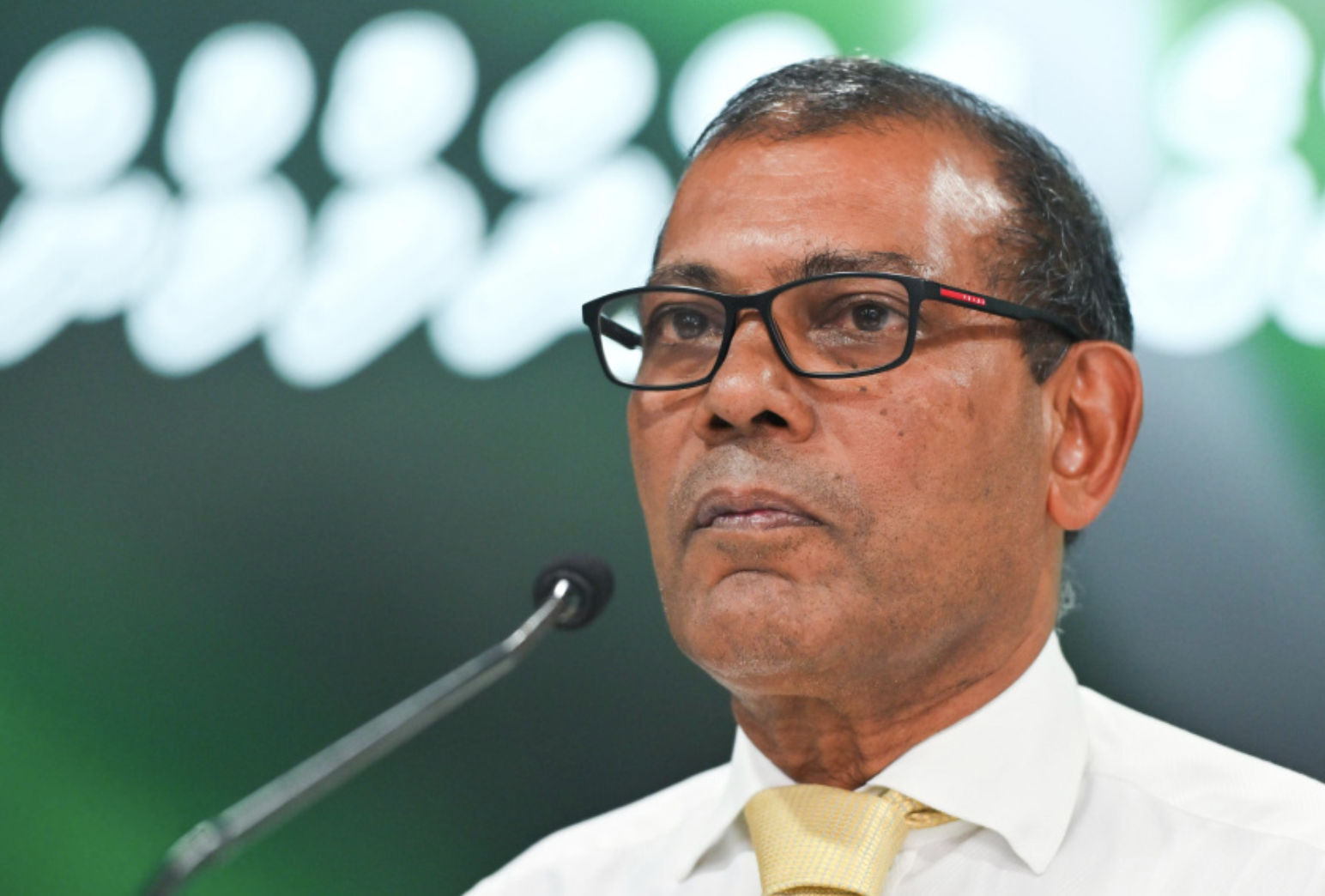
“This is not a country for a select few; it belongs to all Maldivians,” former President Mohamed Nasheed wrote on X today, his words slicing through the cooling tension of a capital city caught in a sudden, bitter dispute over the arts.
The spark for this confrontation was the abrupt cancellation of a concert by the Australian tribute band “Björn Again.” Scheduled for the evening in Malé, the show was to be a celebration of music—a rare cultural highlight for a generation of youth eager for more vibrancy in their capital. Instead, it has become a lightning rod for accusations of state-led suppression, with critics and the government locked in a dispute over whether the cancellation was a genuine logistical necessity or a quiet exercise of cultural censorship.
The Maintenance Narrative
As social media platforms erupted with claims that the government had moved to ban the performance, the Ministry of Youth and Sports moved quickly to douse the flames. Minister Abdulla Rafiu insisted that the state had not issued any instruction to halt the show.
According to Rafiu, the crisis was one of infrastructure, not ideology. He explained that a sudden, critical failure at the Social Centre—the planned venue—had rendered it unusable. “We discovered urgent issues with the stage, including roof leaks and faulty electrical wiring,” Rafiu said, speaking to the media.
The Minister maintained that the Ministry had, in fact, been proactive, offering the event organisers alternative locations such as Hulhumalé or the island of Feydhoo Finolhu. “We were in constant consultation with them,” he asserted. “The cancellation was ultimately their own decision.”
A Logistics Nightmare
For Umar Ziyad, the Director of Uba Events, the narrative of “alternative venues” rings hollow. By the time the Ministry delivered the news, the indoor hall of the Social Centre was already 80 per cent prepared. The stage was being constructed, sound checks were looming, and nearly 1,000 tickets had already been sold across various price categories.
Ziyad argued that moving a production of this scale on such short notice is a logistical impossibility, particularly given the unpredictability of the current weather.
“There is no other building in Malé designed like the Social Centre, built with a Japanese grant, that can host an indoor event of this nature,” Ziyad explained. He dismissed the suggestion of moving the concert to a neighbouring island as impractical. “Transporting such a large crowd by launch in this weather, while trying to maintain the integrity of a professional performance, is simply not feasible.”
The band members, who arrived in Malé only to be met with the news of the cancellation, are, according to Ziyad, “deeply disappointed.” For Uba Events, the financial fallout is significant. The organisers have announced that full refunds will be issued to ticket holders, leaving them to count the cost of an event that, until a few days ago, seemed like a success story.
A Deeper Cultural Divide
The timing and nature of the cancellation have left many questioning the government’s commitment to an open cultural space. In a nation where public displays of music have historically faced scrutiny from conservative factions, the Social Centre’s sudden state of disrepair is being viewed by many through a cynical lens.
Nasheed’s intervention elevated the issue from a local logistical dispute to a wider debate about national identity and the freedoms afforded to the Maldivian youth. To the former President, the cancellation was symbolic of a restrictive impulse that he feels threatens the inclusivity of the country.
As the refund process begins and the “Björn Again” musicians pack their gear, the questions surrounding the Social Centre remain. While the government maintains its stance on structural repairs, the incident has highlighted a deepening rift over what kind of culture is permitted to thrive in the heart of Malé.
In a capital that often lacks major venues for entertainment, the loss of this show is more than just a missed opportunity for a concert; for many, it serves as a stark reminder of the fragile balance between national development and cultural expression in the Maldives.