News Desk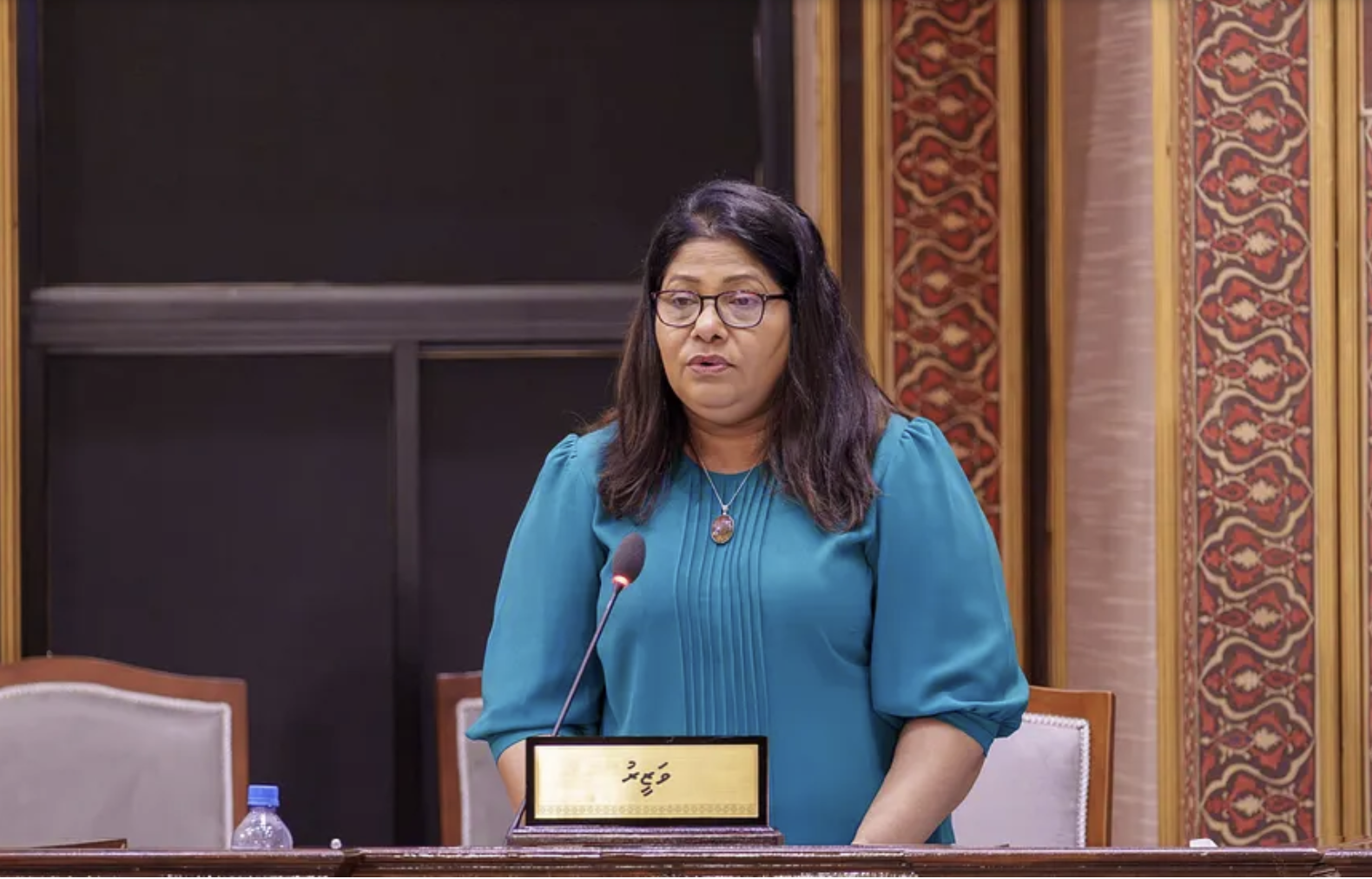
The government has spent MVR 17 million ($1.1 million) from state funds to procure filariasis vaccines after the eliminated mosquito-borne disease resurfaced in the country, Minister of Health, Family and Welfare Dr. Geela Ali announced at a press briefing at the President’s Office.
The expenditure allowed health authorities to administer doses to over 200,000 individuals between 2023 and 2025 in a bid to halt transmission. Filariasis, which was previously eradicated in the Maldives, was detected again in December 2023 in HDh. Kulhudhuffushi. Comprehensive screening efforts conducted between December 2023 and April 2024 tested 7,347 Maldivians and 8,369 foreign workers, confirming 3 cases among locals and 375 cases among expatriates.
Transmitted by Culex mosquitoes, filariasis is a parasitic infection caused by Wuchereria bancrofti roundworms that attack the human lymphatic system. Following the re-emergence of the disease, health authorities expanded mandatory work permit medical screenings to include filariasis testing for foreign workers arriving from endemic countries.
The re-emergence of filariasis comes as medical professionals and public health officials voice sharp concern over a worrying surge in infectious diseases across the country, warning that recent developments threaten to undo decades of health progress.
The Maldives was long celebrated as a regional model for public health, largely driven by nationwide immunization drives and the school health screening programs launched during Former President Maumoon Abdul Gayoom’s administration. That early groundwork allowed the country to eradicate major communicable threats, including malaria, polio, filariasis, and measles, earning international recognition from the World Health Organization.
However, recent health tracking data shows this historic trend is actively reversing. Public health experts have raised severe warnings over the re-emergence of diseases once thought conquered, pointing to recent outbreaks of measles, lingering filariasis cases among expatriate worker clusters, and a steady uptick in HIV diagnoses.
The Health Protection Agency (HPA) recently tracked over 20 measles infections—a disease the Maldives officially eliminated in 2017—while public health records confirm 76 total HIV cases documented to date, with 52 individuals currently receiving active treatment.
Coupled with surges in dengue fever and acute respiratory infections, medical professionals warn that slipping vaccination coverage, gaps in expatriate health screening, and changing social behaviors are eroding the nation’s protective health shield.
Health officials urge the public to remain vigilant, keep childhood vaccination schedules up to date, and report early symptoms to regional health centers to prevent further community spread.