News Desk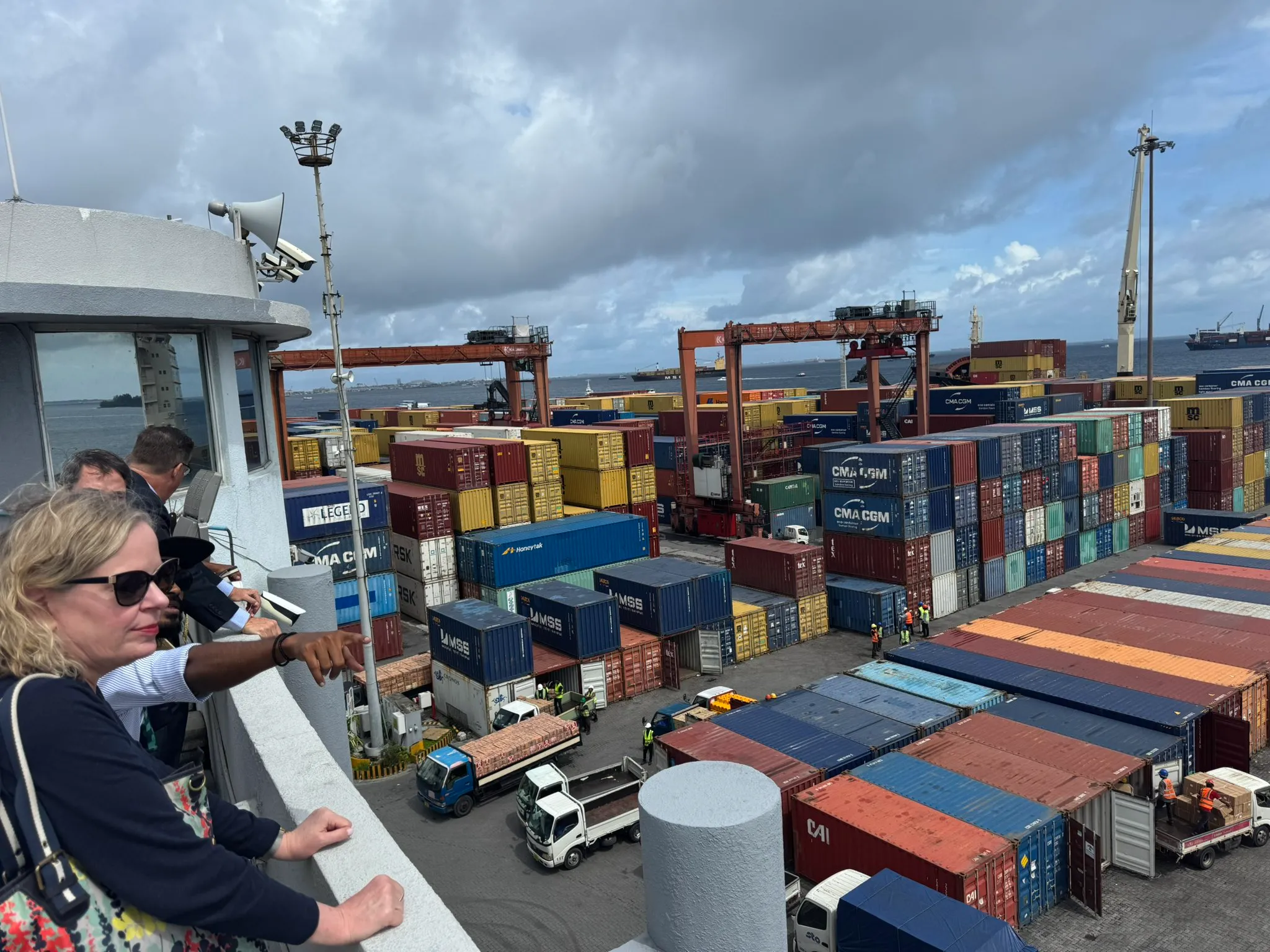
MALÉ — Washington is signaling a sharp, renewed focus on the Indian Ocean archipelago of the Maldives, zeroing in on maritime security and critical logistics infrastructure as major world powers vie for leverage across the region’s vital trade lanes.
The standard pleasantries of international diplomacy took on a distinct strategic undertone as US Secretary of State Marco Rubio extended congratulations to the Maldivian people on the country’s 61st Independence Day. Marking 60 years of formal bilateral ties, Rubio highlighted Washington’s desire to deepen cooperation, specifically pointing to maritime safety and security in the Indian Ocean as a cornerstone for future partnership.
“We look forward to strengthening our relationship on critical maritime security issues and maintaining stability across the Indian Ocean region,” Rubio said in an official statement, reinforcing Washington’s intent to maintain an active presence in the waters off South Asia.
Yet behind the ceremonial warmth lies a far more intense diplomatic game. According to diplomatic sources familiar with the matter, the United States has shown an elevated interest in the island nation’s landmark infrastructure ambition: the relocation and transformation of the congested Malé commercial harbour to the nearby industrial island of Thilafushi.
The mega-project, aimed at expanding cargo capacity tenfold and drastically reducing vessel turnaround times, sits at the center of President Mohamed Muizzu’s economic agenda. However, the key elements of the port’s early construction—including design surveys and major quay wall engineering—have been awarded to China Harbour Engineering Company (CHEC), a state-backed infrastructure giant.
Insiders report that American officials have been closely monitoring the project’s progress and scope, hovering over developments in Thilafushi as Beijing strengthens its physical footprint in Maldivian waters. Given the strategic positioning of the Maldives along sea lines of communication that connect the Middle East and East Asia, any port capability—commercial or dual-use—carries significant geopolitical weight.
What remains uncertain is how President Muizzu’s administration intends to navigate this intense superpower scrutiny. Having swept into power on a platform emphasizing national sovereignty and foreign policy balance, the administration has welcomed Chinese infrastructure expertise while simultaneously signaling an openness to foreign investment and security aid from Western allies.
As Washington actively seeks to entrench its maritime security footprint, how Malé chooses to entertain American overtures without unsettling its key development partners in Beijing will prove a delicate balancing act for the archipelago’s leadership.