News Desk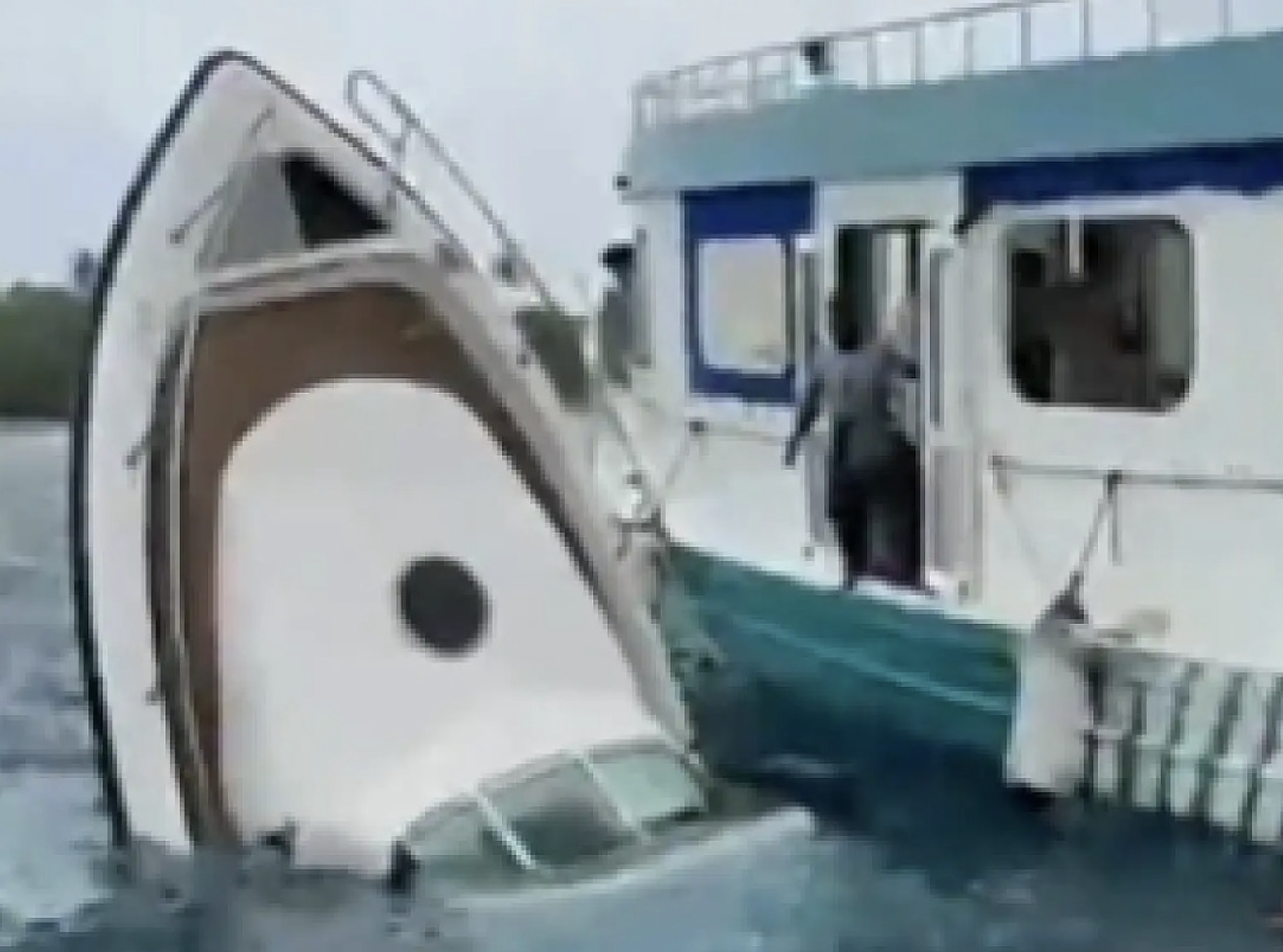
All 18 people aboard a speedboat carrying tourists and local guides barely escaped with their lives on Tuesday evening after the boat swamped and sank near Thamburudhoo lagoon.
The Dhiffushi-based launch was heading past Kanduoihgiri when rough swells smashed into the stern. Water flooded in fast, choking out the bilge pumps before anyone could dump the water out.
“We tried to steer toward anyone who could help as the back was going under,” the captain recalled after the rescue.
A nearby excursion dhoani managed to pull all 14 foreign tourists—including four children—and four guides out of the water just as the vessel went down.
It was a lucky break, but relying on luck in Maldivian waters is getting people killed.
This isn’t an isolated incident. Over the past few weeks, MNDF Coast Guard teams have been running nonstop to respond to capsized landing crafts near Gaafaru, cargo boats taking on water in the southern atolls, and missing crew members swept overboard in squalls.
Yet every time a boat goes under, the pattern repeats: brief public outrage, a few social media warnings, and then everyone goes right back to business as usual until the next distress call comes in.
If the Ministry of Transport and safety regulators actually want to stop these incidents instead of just reacting to them, the rules on the water need to change immediately.
Make Life Vests Mandatory on the Move
Vests shoved under seats or locked away in bow lockers don’t save anyone when a launch takes on water and flips in seconds. Passengers and crew should have life jackets on the moment the boat unties from the jetty. If a vessel is moving, vests should be on. No exceptions.
Stop Treating Inspections Like Paperwork
A failed bilge pump shouldn’t turn a routine trip into a life-or-death emergency. Transport officials need to get on the docks and physically inspect commercial and excursion boats. Check the pumps, check the hulls, check the backup radios, and ground any vessel that fails on the spot.
Investigate Every Single Sinking
When a launch sinks, the public deserves to know what actually went wrong. Was it negligence? Bad maintenance? Overloading? A bad decision by the skipper in rough seas? Without proper, public investigations into marine incidents, dodgy operators will keep cutting corners because they know nobody will hold them responsible.
Keep an Official Incident Record
The Transport Ministry and Coast Guard need to log every sea crash, capsize, and engine failure into a public national report. Mapping out where accidents happen, what caused them, and which routes get dangerous during the monsoon gives captains real data to navigate safely and shows authorities exactly where patrols are needed most.
We cannot keep relying on passing dhoanis to rescue families and tourists from sinking boats. It is time for authorities to step up and enforce basic safety before the next close call becomes a national tragedy.