News Desk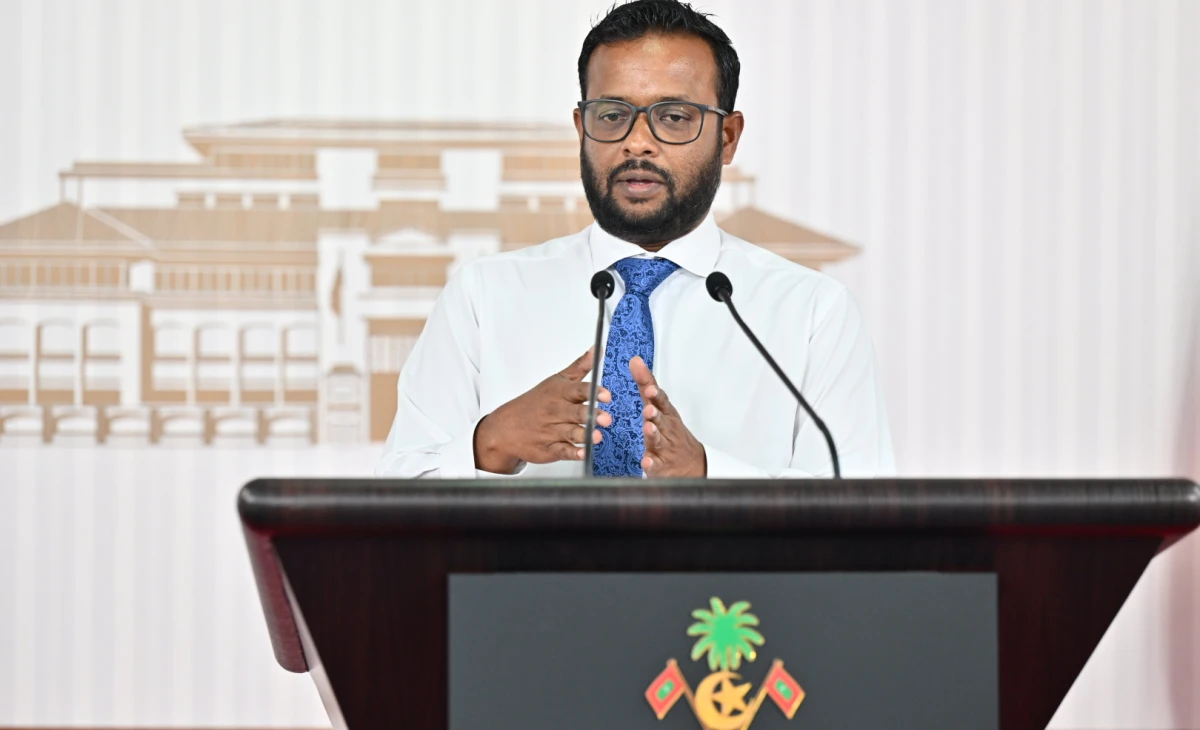
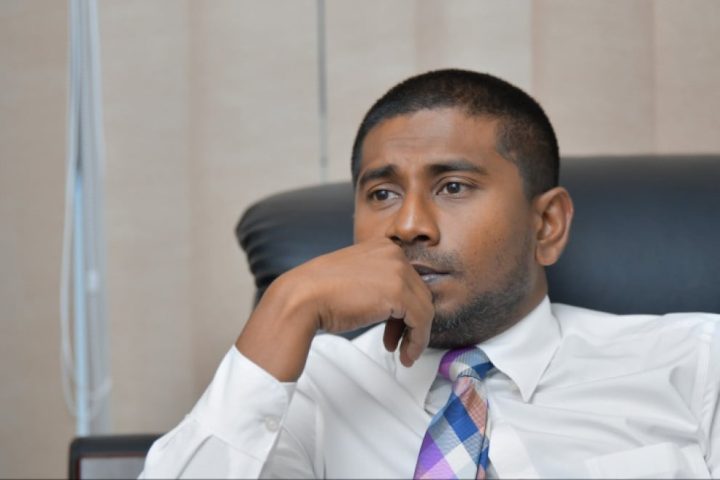
Minister of Infrastructure, Housing and Urban Development Dr. Abdulla Muththalib has strongly dismissed allegations that the massive Ras Malé development will allow Israeli or Zionist settlements in the Maldives, calling the claims completely baseless.
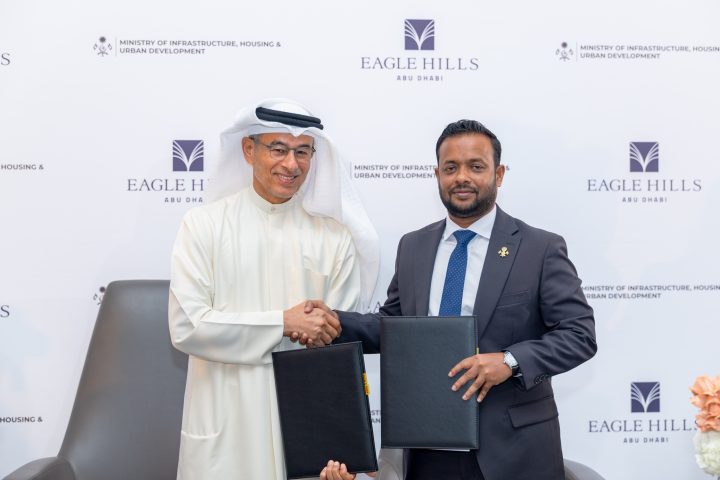
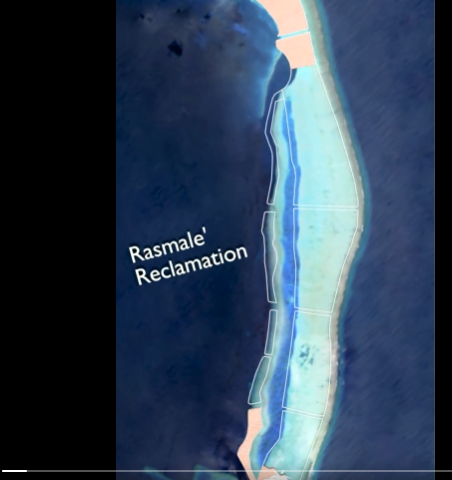
Writing on LinkedIn, Minister Muththalib addressed rising public debate surrounding the agreement signed on September 21, 2026, with UAE-based developer Eagle Hills, founded by Mohamed Alabbar. Under the deal, 500 hectares of reclaimed land in Ras Malé were allocated to Eagle Hills for 99 years.
Muththalib acknowledged that public anxiety over the project stems largely from deep sympathy for Palestine and ongoing Israeli aggression rather than simple real estate valuation.
“Public concern regarding Palestine must be answered directly and cannot be ignored,” Muththalib said, outlining strict safeguards implemented by the government to bar Israeli interests from Ras Malé:
- Complete Israeli Bar: Israeli citizens and entities controlled by Israel are banned from purchasing, financing, holding shares, or being beneficial owners in any Ras Malé property.
- Full Nationality Disclosure & Forfeiture: All buyers must disclose every nationality they hold. Any misrepresentation will result in immediate contract cancellation and asset forfeiture to the state.
- No Permanent Residency or Citizenship: No foreign party will receive Maldivian citizenship or permanent residency through Ras Malé arrangements, and Israeli passport holders remain barred under corporate residence visa schemes.
- Land Freehold Reserved for Maldivians: Foreign entities will not be granted freehold ownership or indefinite lease renewals on any portion of Ras Malé.
- Priority for Maldivians: Units constructed under each phase will first be offered to Maldivians payable in Maldivian Rufiyaa (MVR).
Muththalib rejected comparisons to Zionist settlement tactics, noting that Israel built settlements through forceful military occupation in Palestine, the Golan Heights, and Sinai. He stressed that no sovereign nation controlling its own borders, visas, and land has ever lost territory through long-term leases or foreign property purchases.
“Creating a fear that does not exist misuses the sacrifices of the Palestinian people and Maldivian sentiments without their consent for political gain,” Muththalib wrote.
He added that the administration’s ban on Israeli passports—enacted despite external pressures—proves the government will not compromise its principles through property deals. He further noted that foreign individuals holding multiple passports can already visit resorts across the country, meaning Ras Malé presents no unique opening.
The Minister’s remarks came as legal and religious opposition to the project mounted.
On Sunday, the Supreme Court Registrar rejected a constitutional petition filed by lawyer Ali Hussain challenging the Ras Malé agreement between the Ministry of Construction and Infrastructure and Eagle Hills. The Registrar ruled that the matter cannot be accepted directly by the Supreme Court as a court of first instance under Article 11 of the Courts Act. Ali Hussain retains the right to appeal to the full Supreme Court bench within 14 days.
Ali Hussain argued that leasing 500 hectares for 99 years violates Article 250(a) of the Constitution. He further alleged that clauses allowing buyers—and their heirs—to extend tenure for another 99 years directly conflict with Article 251(a) and (b). Citing Article 268, the suit sought to void the agreement and requested an interim order halting execution of the deal.
The deal has also drawn sharp criticism from prominent religious scholar Sheikh Adam Nishan and others, who warned that leasing such a large landmass to a foreign firm could permanently hand Maldivian territory to non-Muslims.
In a public statement, Sheikh Nishan urged citizens to view the issue beyond partisan politics, warning that the project threatens 900 years of Maldivian Islamic unity, independence, and sovereignty.
“In the long run, this opens the door for non-Muslims to settle permanently, gain residence, and demand freedom of worship for other religions,” Nishan warned, adding that a luxury enclave could reduce local Maldivians in Ras Malé to second-class citizens.
Nishan also pointed to alleged ties between developer Mohamed Alabbar and Israeli figures, warning of potential Zionist influence and the spread of social vices unsuited to Maldivian culture.
“Maldivians do not want any part of their soil turned into another Dubai,” Nishan said, dismissing government assurances of statutory safeguards. “Islam and our national land cannot be sacrificed in the name of development and progress.”
The government continues to defend the deal, maintaining that the development follows established resort-leasing principles and will generate unprecedented long-term revenue for the nation.