News Desk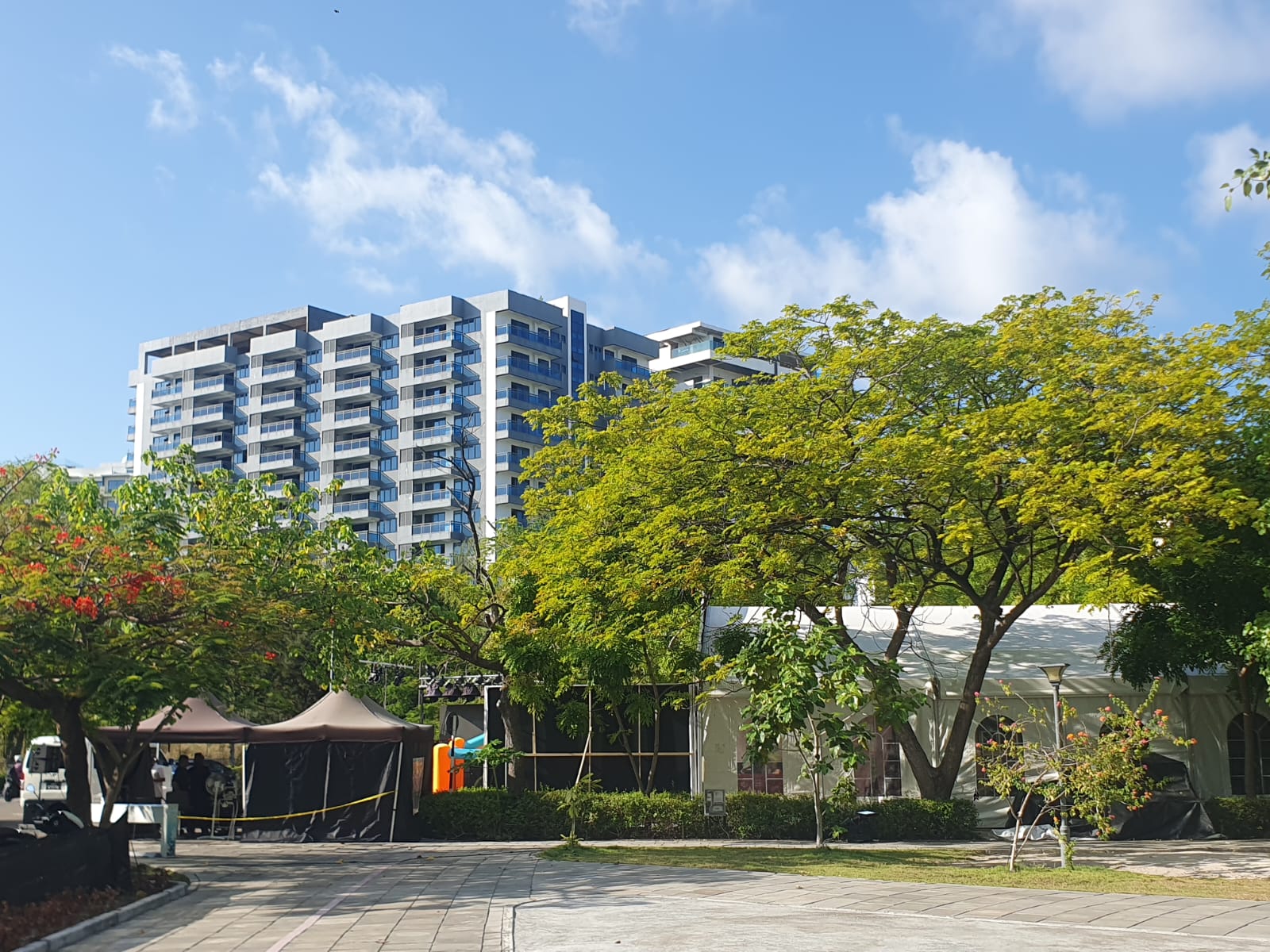
MALE’ — An audit by the Auditor General’s Office has found that the landlord scheme implemented under former President Ibrahim Mohamed Solih failed to achieve its core social objective of addressing housing needs, while costing the Housing Development Corporation MVR 15 billion (USD 972.8 million at the BML rate of MVR 15.42) through the allocation of free land in Male’.
To put that figure in context, the Maldives government’s total national expenditure budget for 2026 is MVR 49.2 billion. The HDC loss from the landlord scheme alone amounts to nearly a third of everything the state plans to spend this year. It is more than the entire annual health budget, more than the education allocation and more than the country’s infrastructure investment programme combined.
The audit found that the scheme, designed to solve the housing problem faced by Male’ residents, did not prioritise those most in need. The primary conditions for receiving land under the project were being registered in Male’, not owning land and being at least 18 years old. No assessment was made of whether applicants actually needed housing assistance.
“Such expensive land was restricted only to those on the city’s register without need assessment, depriving many families in desperate need of social housing in the city of this opportunity,” the audit report said.
The audit found that the government had not adequately studied changes and demand in the housing market before designing the scheme. The core purpose of social housing, it noted, is to assist those unable to find housing on their own. The landlord scheme, as implemented, did not apply that principle.
The scheme has also been dogged by allegations of unfair allocation. Among the cases drawing attention is the claim that a relative of former Housing Minister Mohamed Aslam received land despite not being on the eligibility list.
The audit noted that Male’ has a large and growing population, with increasing numbers migrating to the capital and many residents paying high rents with no prospect of ownership. That was precisely the problem the scheme was supposed to address. The audit’s conclusion is that it did not.
The Solih government allocated a significant number of plots in Hulhumale’ under the scheme. The free allocation of land from some of the most expensive real estate in the country drew criticism at the time. The audit has now put a number on what that giveaway cost the state institution responsible for housing development.
MVR 15 billion (USD 972.8 million). Nearly a third of the national budget. Gone in free land, to people who were not assessed for need, in a scheme that by the auditor’s own finding did not achieve what it set out to do.