News Desk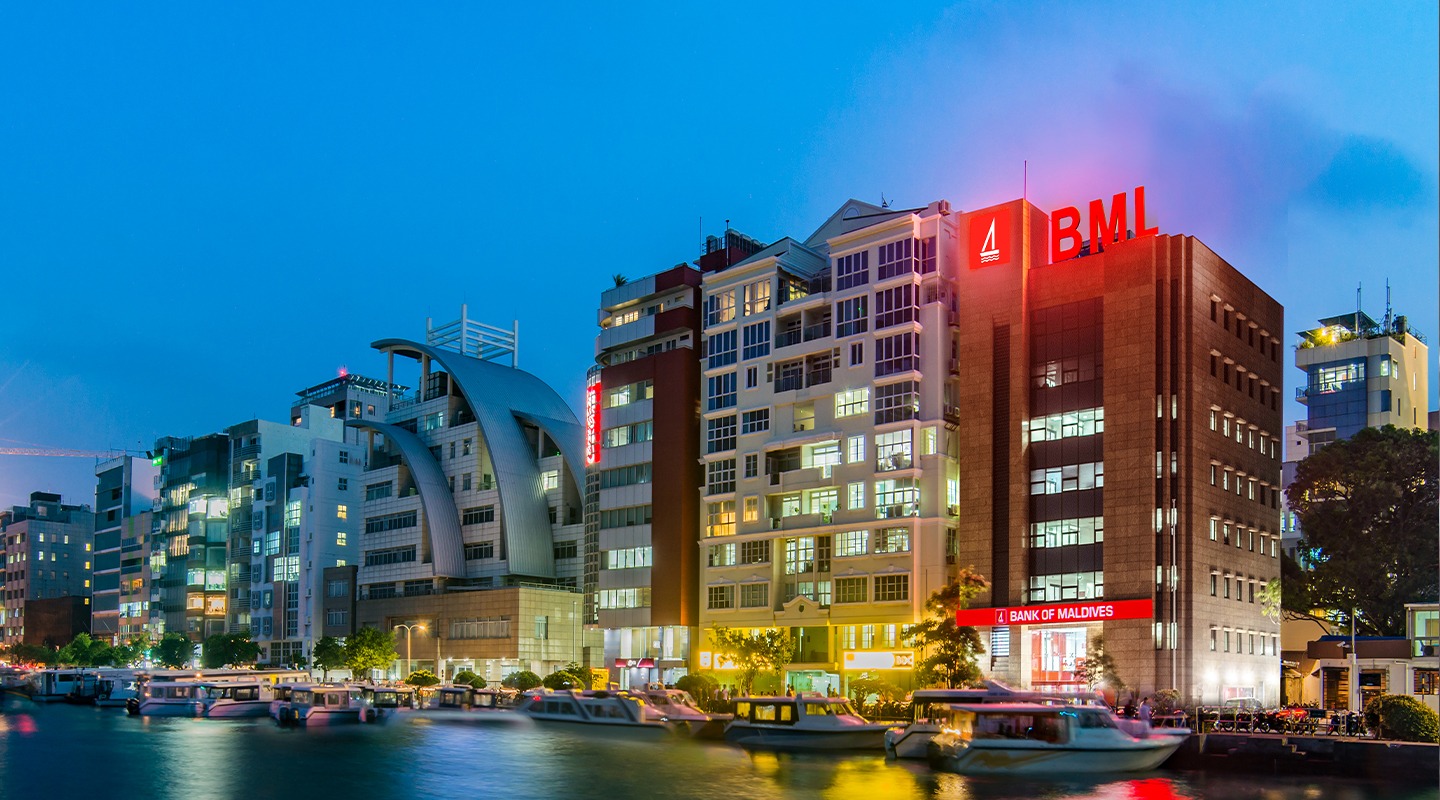
MALE’ — When the Maldives Monetary Authority gathered the country’s financial community today to mark its 45th anniversary, the guest list for its awards ceremony read like a who’s who of the institutions and individuals who built the Maldivian financial system. State Bank of India was recognised for introducing modern banking to the Maldives. Former President Maumoon Abdul Gayoom was honoured for establishing the MMA itself in 1981. Former governors and deputy governors were called to the stage. It was, by any measure, a comprehensive reckoning with the past.
One country was not in the room. Bangladesh.
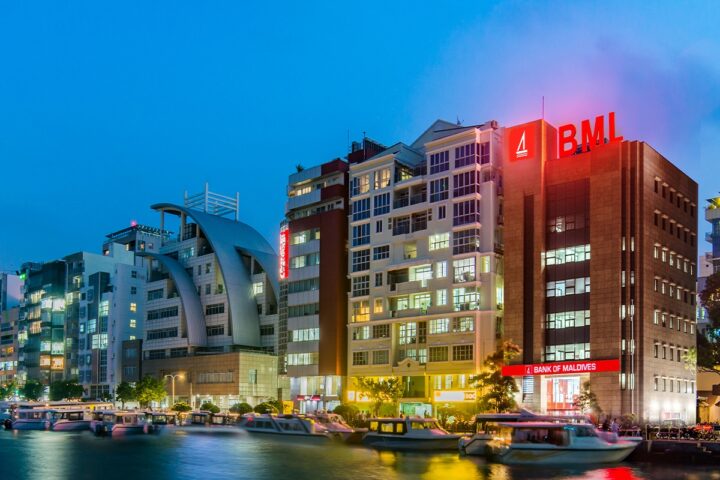
The omission is striking because the history is unambiguous. When the Maldivian government first proposed establishing a domestic commercial bank in 1979, it did not turn to India. It turned to Bangladesh. Over the three years that followed, the Government of Maldives held negotiations with Bangladesh’s International Finance Investment and Commerce Bank, known as IFIC Bank, to establish a joint venture. The talks were led by then Director of Finance Ismail Fath’hy. On 11 November 1982, Bank of Maldives was inaugurated, with 60 percent of shares held by the Maldivian government and 40 percent by IFIC Bank of Dhaka.
That founding partnership alone would be worth acknowledging. But Bangladesh’s contribution did not stop at the shareholding. IFIC Bank did not simply put up capital and step back. It sent its own professionals to Male’ and managed the Bank of Maldives entirely for its first decade. Until 31 December 1992, BML was run by IFIC Bank staff, who were paid ten percent of the bank’s annual profit in return. Bangladeshi bankers introduced modern banking practices to the Maldives, trained local staff and built the operational foundations of what is today the country’s largest bank by assets and branch presence, an institution that serves more than 365,000 customers across all 20 atolls.
When the Government of Maldives decided to restructure the arrangement in the early 1990s, it asked IFIC Bank to reduce its stake. IFIC divested its entire 40 percent shareholding at the end of 1992, when the management contract expired. From 1 January 1993, BML became fully Maldivian. But the decade that preceded that transition was built on Bangladeshi expertise.
The MMA’s awards ceremony recognised SBI for introducing banking to the Maldives. That recognition is legitimate. SBI opened in the Maldives before BML existed and provided early foreign banking services. But BML, the institution that became the backbone of the Maldivian financial system, was not built by India. It was built in partnership with Bangladesh and managed by Bangladeshis for the entirety of its first ten years.
The question the ceremony raises is a simple one. Was the omission an oversight, a gap in the institutional memory of what IFIC Bank contributed, or something else?
The MMA’s media team acknowledged eTruth’s query and said the matter was not included in the distinguished list, directing the publication to submit a formal question. eTruth has done so and is awaiting a response.
Bangladesh and the Maldives share a relationship that goes well beyond banking. Bangladeshi workers are among the largest groups of foreign nationals in the Maldives. The two countries have longstanding people-to-people ties. And four decades ago, when the Maldives needed someone to help it build a bank, it was Bangladesh that answered.
That chapter of history deserved a place in the room today. It did not get one.