News Desk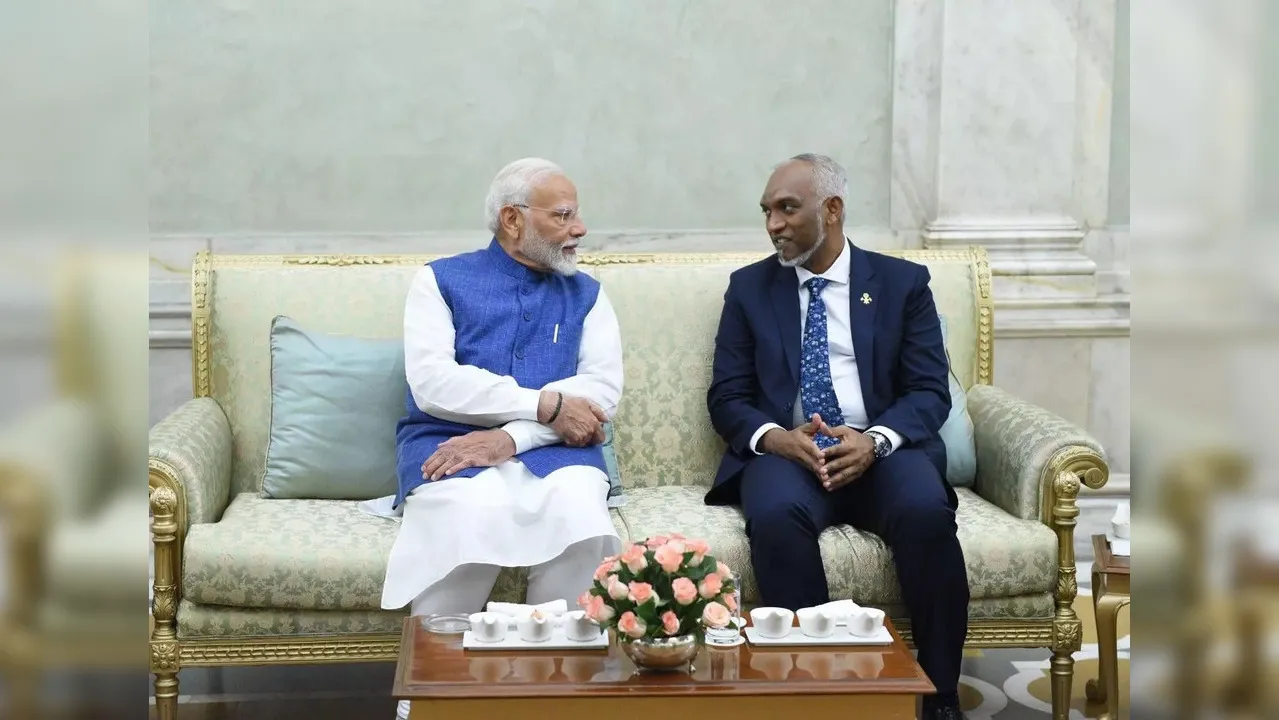
MUMBAI — The Reserve Bank of India announced on Monday that trade between India and the Maldives can now be settled in Indian Rupees (INR) and Maldivian Rufiyaa (MVR). This shift could ease commerce between the two nations. It’s a small but significant step. The decision, effective immediately, builds on a pact signed last November and offers an alternative to the long-standing Asian Clearing Union (ACU) system, which has governed such transactions among regional countries.
The ACU, a multilateral payment network, connects central banks across South Asia and beyond—Bangladesh, Belarus, Bhutan, India, Iran, Maldives, Myanmar, Nepal, Pakistan, and Sri Lanka—to settle intra-regional trade on a net basis. For years, it has been the backbone of these exchanges, streamlining payments in dollars or euros. Now, India and the Maldives are adding their own currencies to the mix—a move that could reduce costs and bypass the dominance of the U.S. dollar.
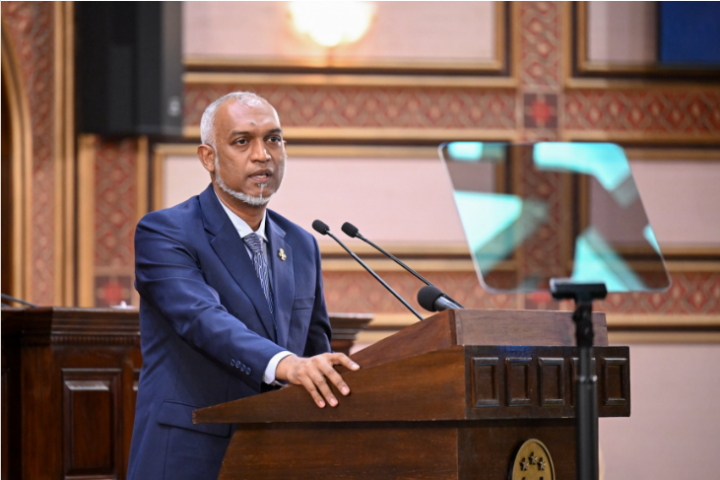
This change stems from a Memorandum of Understanding (MoU) signed on November 21, 2024, between the RBI and the Maldives Monetary Authority. The agreement, signed in Mumbai, laid the groundwork for using INR and MVR in bilateral trade. It was not a sudden decision. The deal followed months of improving relations, including a currency swap agreement in October 2024 during President Dr. Mohamed Muizzu’s visit to New Delhi, where Prime Minister Narendra Modi reaffirmed India’s commitment to supporting its maritime neighbor. At that time, India pledged USD 400 million and INR 30 billion to support the Maldives’ dwindling foreign reserves, providing a lifeline for an economy struggling with debt and reliance on imports.
The RBI’s circular on Monday made it official: traders can now invoice and settle transactions in rupees or rufiyaa alongside the ACU framework. “Following the signing of the Memorandum of Understanding, it has been decided that India’s bilateral trade transactions with the Maldives may also be settled in INR and/or MVR in addition to the ACU mechanism, as previously,” the bank stated. This shift is practical—it speeds up transactions, reduces exchange fees, and brings both nations closer economically.
For India, this is part of a broader effort to internationalize the rupee, a goal that has gained momentum as New Delhi seeks to strengthen its financial influence in the region. The Maldives also stands to benefit. With persistent foreign exchange shortages, using its own currency for trade with a key partner like India—its top trade partner—provides some relief. Last year’s swap deal was a temporary measure; this new arrangement feels more like a long-term solution.
The timing is significant. Relations between the two countries faced challenges after Dr. Muizzu’s 2023 election on an “India Out” platform, but pragmatism has since prevailed. Trade ties, already strong, are receiving a subtle boost.