News Desk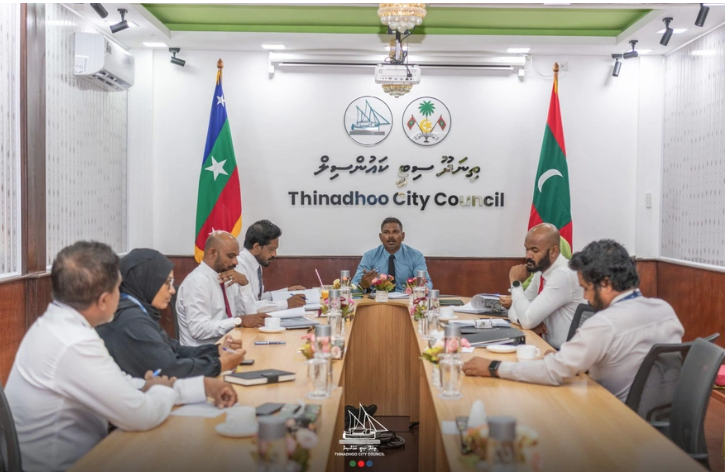
Thinadhoo City Council has moved to suspend all entertainment and sporting activities throughout the coming month of Ramadan, saying the community should give full priority to worship and reflection.
In an announcement issued after a council meeting, members said the island had set a “beautiful example” in previous years by maintaining a calm and respectful atmosphere during the holy month. They said the same spirit should guide daily life once again this year.
The directive states that no sports, games or entertainment of any kind should take place during the day or at night once Ramadan begins. The council has also extended the restriction to private homes, saying household gatherings should not disrupt prayer times or burden neighbours.
Alongside the ban, the council outlined several expectations for residents. They urged people to show greater compassion during fasting hours, avoid unnecessary disruption to official work, and ensure that duties in offices and public institutions do not clash with congregational prayers, Taraweeh or the breaking of the fast.
Sports grounds, stadiums and tracks will remain closed for recreational use during Ramadan. Anyone planning Ramadan‑related activities must coordinate in advance with relevant authorities to ensure they do not interfere with worship.
The council warned that it will not cooperate with individuals or groups who ignore the directive. Those who deliberately violate the rules may face action.
The decision aligns with the national religious tone set by President Dr Mohamed Muizzu in his recent presidential address, where he framed religion and nationalism as intertwined pillars of Maldivian identity. He argued that Islamic values should guide public life while strengthening unity. His remarks emphasised religious observance as a foundation for social order and national cohesion, a theme echoed in the Thinadhoo Council’s decision.
The decision also lands at a moment when religion is once again becoming a prominent theme in national politics. As local council elections approach in April, campaign activity is already under way, and it is common in local politics for religious messaging to intensify as voting nears. Against that backdrop, the Thinadhoo Council’s directive is likely to be read not only as a call for spiritual discipline during Ramadan but also as part of a wider political climate in which appeals to religious identity often gain sharper emphasis during election periods.