News Desk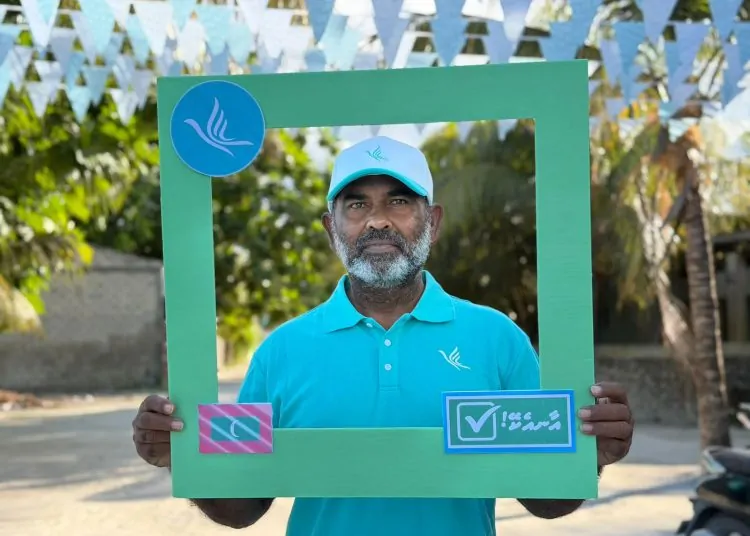
In the slow burn rhythm of Maldivian politics, President Dr Mohamed Muizzu has pulled off a move that few in his own camp fully believed in when he first floated it. His push to hold the presidential and parliamentary elections on the same day was met with scepticism, even quiet resistance from within his coalition. Yet barely a week into the referendum date, the political landscape has shifted entirely in his favour.
Except for the opposition MDP, every major party and heavyweight figure now backs the idea. Even within the MDP, a noticeable number of senior voices have begun echoing the PNC’s line, openly supporting the president’s position.
The question many are now asking is simple. What happened to the political class from 2008 to 2026? Were they not doing the maths?
A veteran political commentator put it bluntly to this publication. It was never about the maths. It was about the boldness of the decision. President Muizzu took a risk that others avoided for years. The public mood, the economic undercurrents and the political fatigue all aligned in his favour.
The commentator pointed to one example that rattled the establishment. President Muizzu’s move to require resort owners to exchange dollars through the MMA. It landed like a bombshell. Business tycoons who resisted the policy were forced to adjust, and the public is now seeing the benefits in stabilised currency flows. It was a reminder that decisive action, even when unpopular among elites, can shift the ground.
The latest endorsement for holding the two elections on the same day came today from former State Minister Akram Kamaludeen, a senior MDP figure and long‑time critic of the government. Akram is no minor player. As co‑owner of Raajje TV, he is both an opinion maker and a gatekeeper in the media sphere. His public support for concurrent elections marks a significant break from the MDP’s official line.
On X, Akram laid out six reasons why he believes the change is good for the country. His argument is political, economic and democratic all at once.
Akram’s Key Points
- When both elections are held together, the presidential candidate has less incentive to manipulate or influence parliamentary races. This gives voters a freer hand to choose the parliament they want.
- Because voters do not yet know which party will win the presidency at the moment they vote for MPs, they are more likely to choose capable individuals rather than vote along party lines. Akram says this strengthens parliamentary independence.
- Governments will no longer need to reshuffle or refresh their political machinery twice within a short period. This allows the administration to focus on its core work instead of constant campaigning.
- The state saves money by avoiding two separate election cycles. Political parties also reduce their spending.
- The practice of adding politically motivated jobs during election periods is likely to decrease, reducing waste and patronage.
- Voter turnout increases significantly when parliamentary elections coincide with the presidential vote. Akram calls this a major boost for democratic participation.
Akram, who served in senior government roles between 2008 and 2012 and again from 2018 onward, framed his support as a matter of national interest rather than party loyalty. But Maldivian politics shifts quickly and at times moves like a whirlwind. Figures such as Akram have in the past changed parties and positions during periods of political fatigue. Even now, such a shift would not be surprising.
His stance reflects a broader trend. President Muizzu’s once contested proposal has become a rallying point for nearly the entire political class. What began as a risky manoeuvre now looks like a masterstroke, reshaping alliances and recalibrating the balance of power.
The referendum may be over, but its political aftershocks are only beginning to surface.