 News Desk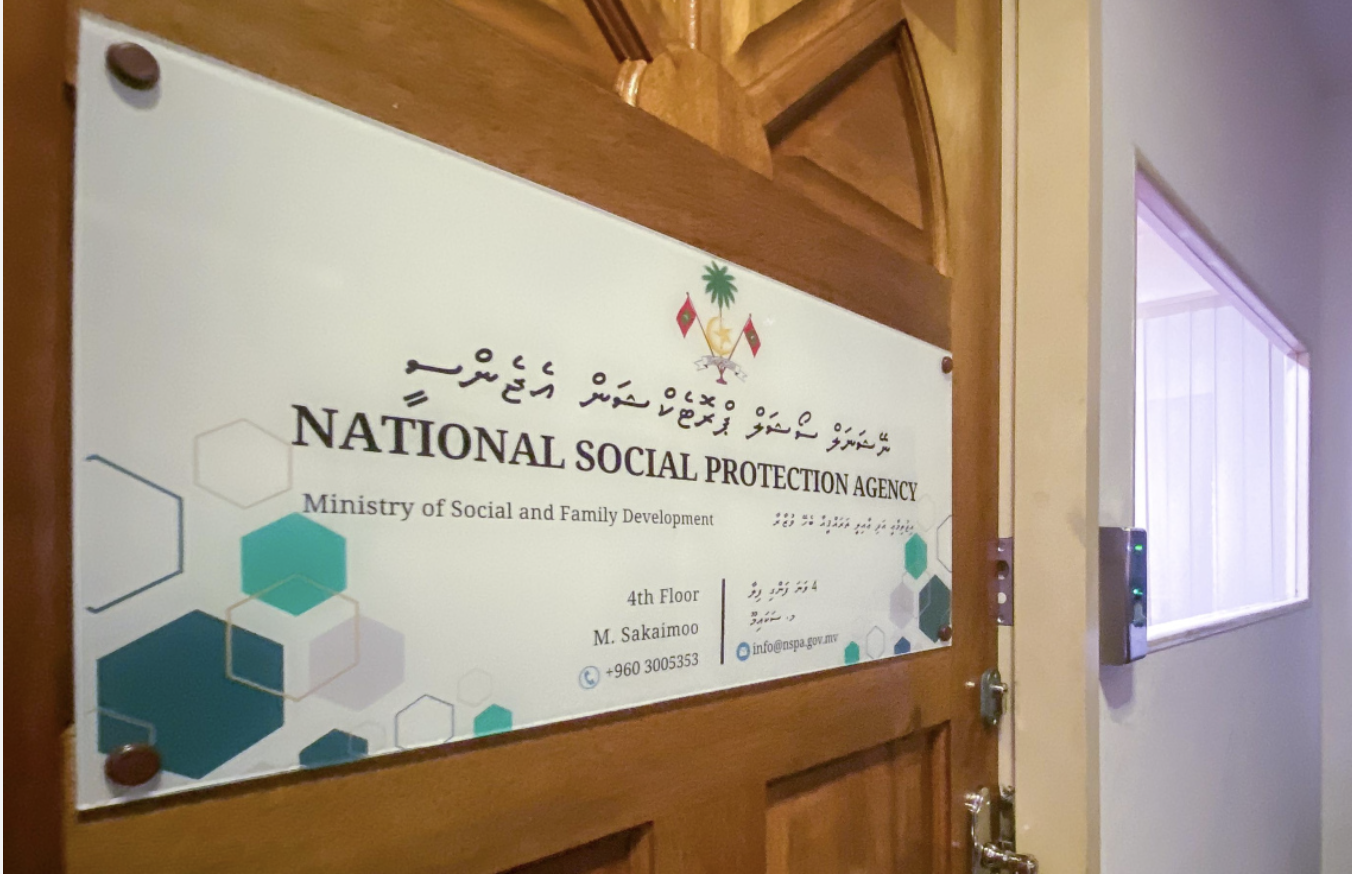
MALÉ — The number of registered persons with disabilities in the Maldives reached 15,403 by the end of April, according to the latest statistics released by the National Social Protection Agency (NSPA).
The agency’s data indicates a steady expansion of the national registry, with 96 new individuals added during the month of April alone.
Men account for the majority of those registered, numbering 8,915 compared to 6,488 women. Working-age adults between 18 and 64 represent the largest age demographic, comprising 7,773 individuals. The registry also includes 5,226 children under 18 and 2,404 elderly citizens aged 65 and above.
Physical disabilities remain the most prevalent category nationwide, affecting 4,287 individuals. A further 3,489 people are recorded as living with multiple disabilities.
NSPA’s registry also identifies 2,285 individuals with psychosocial conditions, 1,841 with intellectual disabilities, and 1,828 with hearing or speech impairments. Additionally, the records count 1,025 visually impaired individuals, 590 people on the autism spectrum, and 58 individuals with learning disabilities.
The update comes as the government steps up legal frameworks designed to improve social security and economic integration for disabled citizens.
Authorities have enacted key amendments to the 2024 regulations governing employment access for persons with disabilities, officially mandating that employers create dedicated positions to foster inclusive workplaces.
Under the amended regulations, employers must meet three primary criteria when appointing staff with disabilities: ensuring physical and operational accessibility, implementing reasonable workplace accommodations, and adhering to strict non-discrimination standards.
To guarantee ongoing support, employers are required to notify the Ministry of Social and Family Development within five official working days of a disabled employee joining the workforce. The regulation also instructs authorities to roll out awareness programmes aimed at both employers and prospective workers to support long-term workplace retention.

