News Desk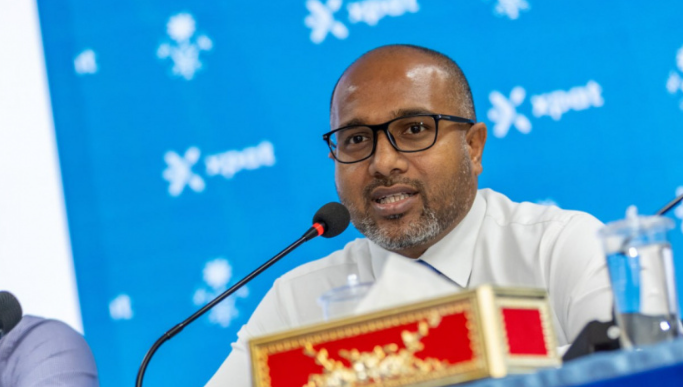
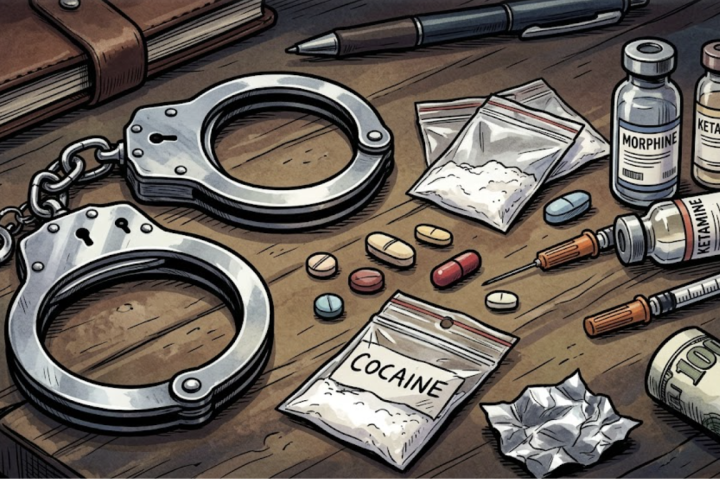
MALE’ — The National Drug Agency’s latest figures show 641 Maldivians on a waiting list for drug rehabilitation, unable to access treatment because the state does not have enough places. Behind that number are families who have sought help, sometimes through the courts, and been told to wait.
The waiting list breaks down as follows: 360 people seeking community-based treatment, 142 waiting for residential rehabilitation and 139 awaiting methadone therapy.
The problem is not only that the state cannot provide the treatment it is legally obliged to offer. It is what can happen to these people while they wait.
Maldivian drug law is designed to prioritise treatment over punishment. But if someone on the waiting list is stopped by police and found with a small amount of drugs, or tests positive for substances, the law does not treat them as a patient awaiting care. It treats them as a criminal. The right to rehabilitation that the law is supposed to protect disappears, and they face the prospect of a prison sentence instead. The state’s failure to provide a place in a rehabilitation centre becomes, in effect, a mechanism for generating criminal convictions.
The Maldives already has one of the highest prison population rates in South Asia. Sending people to jail who are formally registered as seeking treatment, because treatment was unavailable, does not reduce that number. It increases it, at significant cost to the state, while doing nothing to address the underlying condition.
Advanced legal systems have developed approaches to address exactly this situation. Deferred sentencing, for instance, allows a court to suspend punishment while a person undergoes treatment, with the sentence only activated if the person fails to comply. The Maldives has not adopted such mechanisms. The result is that a person who has done the right thing by seeking help can still end up in prison for conduct that occurred while they were waiting for the state to respond.
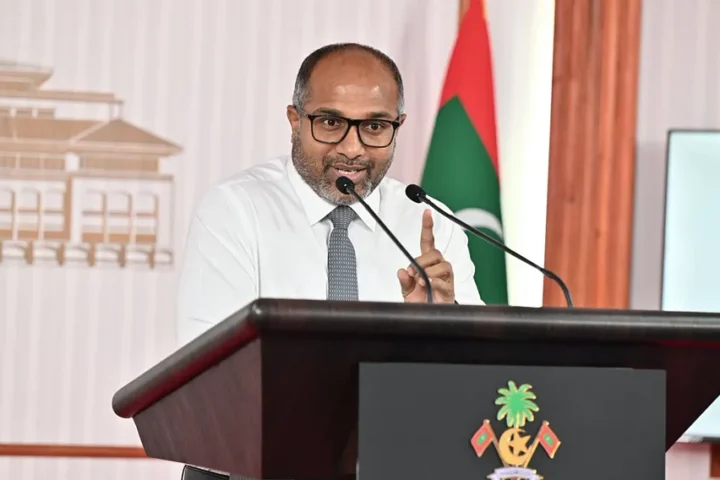
The government acknowledges the scale of the problem. Minister of Homeland Security Ali Ihsan has announced that construction of a new rehabilitation centre will begin in July, capable of housing 500 people at a time. The target is to complete the facility within 18 months.
That is a meaningful commitment. But 18 months is a long time for 641 people whose legal status is precarious. The question the waiting list raises is not just about capacity. It is about what the law does to vulnerable people in the gap between need and provision. If half of those 641 are criminalised before the new facility opens, the state will have spent more imprisoning them than it would have cost to treat them, and it will have produced outcomes that serve no one.
The waiting list is not simply an administrative backlog. It is a measure of a legal and institutional failure that the Maldives has not yet found the political will to correct.