News Desk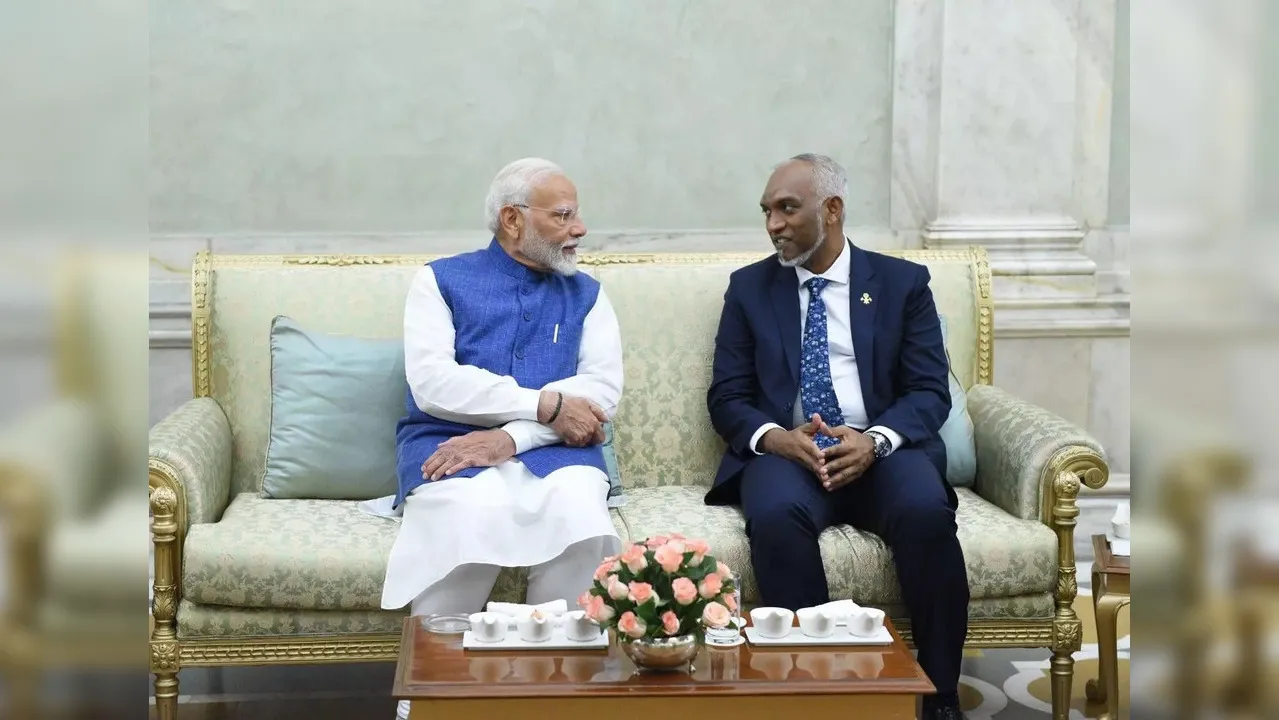
As Indian Prime Minister Narendra Modi prepares for a landmark state visit to the Maldives on July 25–26, 2025, to mark the nation’s 60th Independence Day, Etruth presents a series of articles celebrating the enduring India-Maldives partnership. This collection highlights India’s vital support, from economic aid to transformative infrastructure, fostering resilience and shared prosperity.
In a world often fractured by mistrust and competition, India is quietly forging a different path, one that binds its own future to the stability and success of its neighbors. Through its Neighbourhood First policy, India has embraced a vision of shared prosperity, weaving a web of cooperation across South Asia that prioritizes mutual trust over dominance and collective progress over solitary gain.
This approach, rooted in pragmatism as much as idealism, is reshaping the region’s trajectory, offering a model of leadership that is as generous as it is strategic. From the mist-covered hills of Bhutan to the sunlit beaches of Sri Lanka, India’s development efforts are leaving an indelible mark.
Cross-border power grids now pulse with energy, connecting remote communities to modern economies. In Sri Lanka, refurbished railway lines, backed by Indian investment, carry passengers and goods with newfound efficiency.
Nepal’s homes glow brighter thanks to hydropower partnerships, while Bhutan’s sustainable energy projects, supported by Indian expertise, light the way toward a greener future.
Ambitious initiatives like the Kaladan Multi-Modal Transit Project in Myanmar and the Bangladesh-Bhutan-India-Nepal (BBIN) corridor are stitching the region together, easing the flow of trade and fostering economic interdependence.
India’s commitment extends far beyond bricks and mortar. Through the Indian Technical and Economic Cooperation (ITEC) program, thousands of professionals from neighbouring countries have honed skills in fields ranging from healthcare to technology, returning home equipped to drive progress.
When crises strike—whether floods in Bangladesh or earthquakes in Afghanistan—India is often the first to respond, delivering humanitarian aid and disaster management expertise with speed and compassion.
In the Maldives, Indian assistance during water shortages and health emergencies has cemented bonds of trust that endure beyond the moment of need.
Economically, India serves as both a supplier and a market, providing raw materials that fuel regional industries while opening its vast consumer base to goods from smaller neighbours. This dynamic creates a virtuous cycle of growth, where prosperity in one nation lifts others.
Cultural exchanges, from joint art exhibitions to scholarships for regional students, further deepen these ties, fostering a shared identity that transcends borders and histories. Yet India’s approach is not without challenges.
Regional politics can be fraught, and historical tensions sometimes cast shadows over cooperation. Balancing its own strategic interests with the diverse needs of its neighbours requires deft diplomacy, and India’s ambitions occasionally meet scepticism from those wary of its growing influence. Still, the country’s persistence in prioritizing dialogue and mutual benefit signals a commitment to a South Asia where stability and opportunity outweigh division. Through its actions, India is building more than infrastructure—it is constructing a foundation of hope and collaboration.
By investing in its neighbours’ success, India is proving that a stronger South Asia begins with unity and empathy. In a region long defined by its diversity, India’s leadership offers a compelling vision: a future where shared progress binds nations closer, proving that even in a fragmented world, cooperation can light the way forward.