News Desk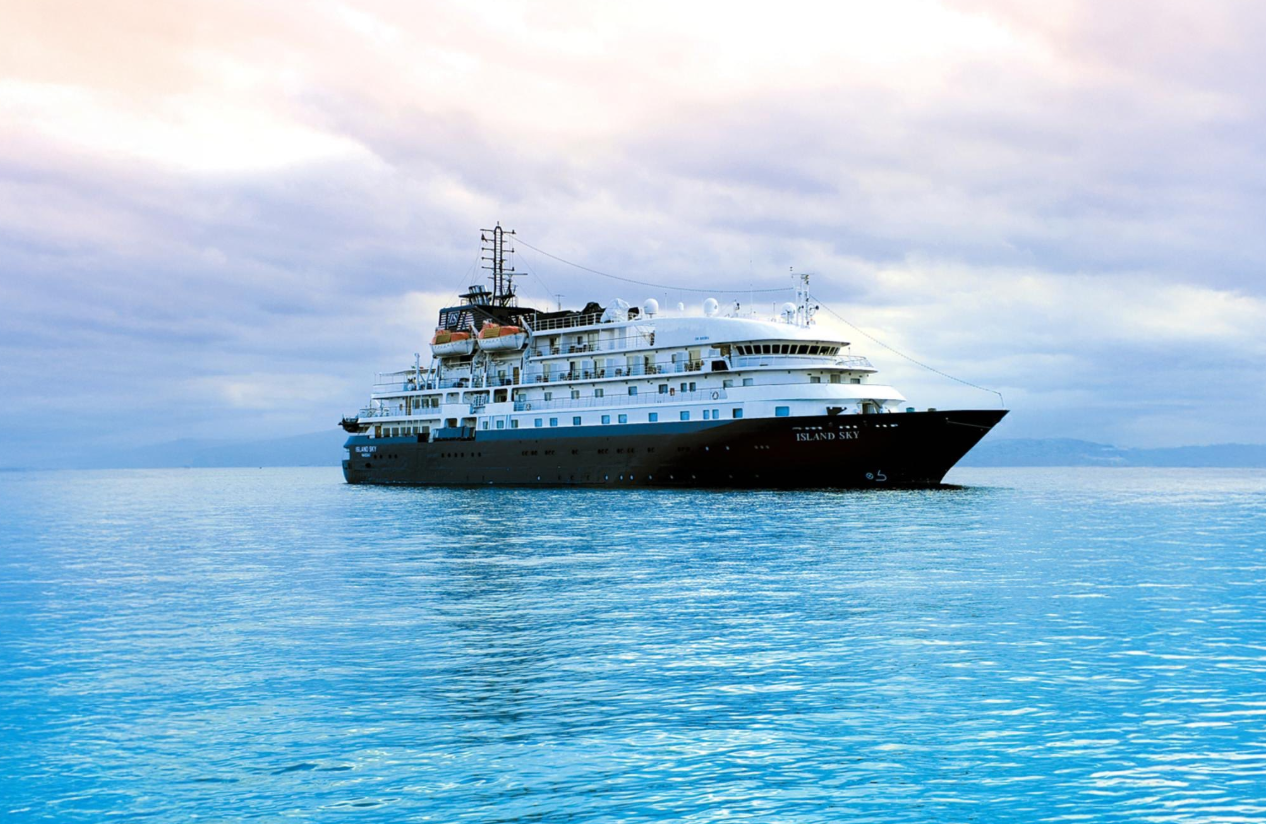
When the Carnival class Queen Anne sails into Malé on 14 February 2026, more than 2,600 visitors will disembark into a country that has just celebrated one of its strongest tourism years on record. Yet the moment will unfold without even a modest cultural welcome. Officials declined a request for traditional entertainment at Jetty 1, citing a lack of funds.
The Maldives Marketing and Public Relations Corporation (MMPRC) informed industry representatives that no budget was available for a cultural performance, a position later confirmed by officials from the Maldives Yacht Handling Association (MAYA).
The contrast with the government’s own rhetoric could not be sharper.
In his presidential address on 5 February, President Dr Mohamed Muizzu described tourism as a sector in full ascent. He noted that the Maldives welcomed 2,246,516 visitors last year, a 9.8 percent rise from the previous year. Tourism revenue reached USD 5.55 billion, according to the Maldives Monetary Authority, marking a 13.8 percent increase. The Authority projects USD 5.6 billion in revenue this year, and the government aims to attract 2.5 million visitors, an 11.3 percent increase.
To support that ambition, the president announced a nationwide promotional drive culminating in the declaration of 2027 as Visit Maldives Year. He described it as a major national initiative that would unite stakeholders across the country and abroad to showcase the Maldives with renewed energy, unity and ambition.
“To support this goal, the Government intends to make the promotion of the Maldives an inclusive, nationwide effort. In pursuit of this vision, I hereby declare 2027 as the ‘Visit Maldives Year’,” President Muizzu told the Majlis.
The Queen Anne’s visit is only the start. Cruise calls are scheduled on 14, 15, 18 and 19 February, with more lined up for March. The coming month includes multiple arrivals in Malé and a call in Uligam, with additional ships expected beyond those dates. Industry group say the momentum signals a growing appetite for the Maldives among cruise operators, a sector that can generate revenue far beyond port fees.
Cruise tourism offers income streams that reach well beyond the capital. Local guides transport providers, and various other vendors all stand to benefit from even a few hours of visitor footfall.
Yet the absence of a coordinated welcome has raised concerns about whether the Maldives is prepared to embrace this expanding market. Some in the sector worry that the lack of coordination risks undermining the very experience the country hopes to promote.
“Tourism is not just about resorts,” said Mohamed Ali, Secretary General of MAYA, the body that represents, markets and facilitates the safe, organised and sustainable arrival of cruise ships, mega‑yachts and superyachts to the Maldives. “Cruise tourism brings real opportunities for ordinary Maldivians. If we say we value tourism, our actions should reflect that.”
If the president’s vision for 2027 as Visit Maldives Year is to mean anything, the government must extend that ambition to the cruise sector as well. For years, industry operators have warned that Malé lacks even the most basic facilities for cruise arrivals. One seasoned expert put it bluntly: passengers stepping off a liner who simply want to use a toilet are often directed to the police building across from the jetty — a situation he described as “nothing short of humiliating”. After fifty years of tourism, the capital of a country marketed as a global paradise still cannot offer a proper restroom to cruise visitors. It is a failure so fundamental that it undermines every glossy slogan about welcoming the world.
With 2026 only just underway, industry figures say the season ahead offers a chance to reset expectations and present a more confident face to the world. The ships are coming. The question is whether the welcome will finally match the moment.