News Desk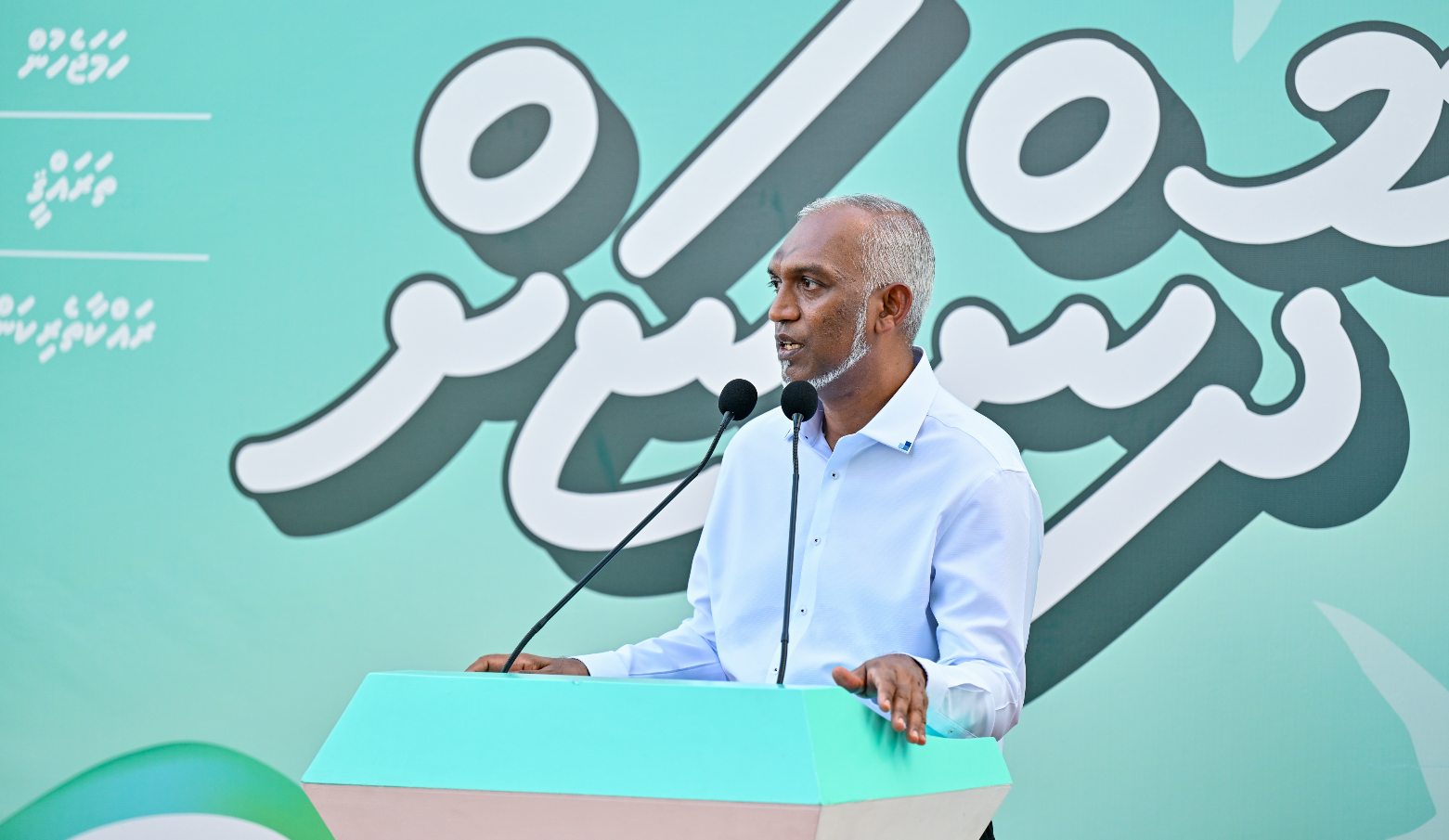
The People’s National Congress has secured the highest number of seats in the 2026 Local Council and Women’s Development Committee elections, reinforcing its position as the country’s most widely supported political organisation. The final results, now gazetted by the Election Commission, show that the PNC won 581 seats, the largest share of any party in the country. The opposition MDP followed closely with 562 seats, while independents and smaller parties captured the remainder.
The outcome reflects a broad base of support for the ruling party across islands and atolls, even as the MDP maintained its traditional strength in the five city councils. With a margin of 21 seats over the MDP, the PNC has emerged as the single largest political group in the nationwide vote, a result that party officials say demonstrates confidence in President Dr Mohamed Muizzu’s leadership and the government’s development agenda.
Independents won 168 seats, while the MDA secured 23, Adhaalath Party won six, the Jumhooree Party won four, and the Democrats won two. The distribution shows that while local dynamics remain diverse, the PNC continues to hold the broadest organisational reach across the country.
A total of 1,346 candidates were elected across councils and WDCs. The PNC won the most seats in every category except the five city councils, where the MDP maintained its dominance. Outside the cities, however, the PNC led decisively.
The party won 75 council president seats, compared with the MDP’s 73. In the female‑reserved council seats, the PNC secured 101, while the MDP won 87. The PNC also won 99 council member seats, ahead of the MDP’s 82.
In the Women’s Development Committees, the PNC’s lead was even more pronounced. The party won 83 WDC president seats, compared with the MDP’s 60, and secured 214 WDC member seats, while the MDP won 167.
These results show that the PNC continues to command strong support in island communities, where local councils and WDCs play a central role in day‑to‑day governance. Party officials said the results reflect trust in the government’s development policies, including housing, infrastructure and island‑level services.
The MDP won all five mayoral seats and secured 45 city council seats, compared with the PNC’s five. In city WDCs, the MDP won 42 seats, while the PNC won four.
While the MDP’s urban strength remains intact, the overall national picture shows the PNC ahead in total seats. Analysts note that city councils represent a small share of the total elected positions, and the PNC’s island‑level performance ultimately determined the national outcome.
A second round of voting will be held next Saturday in constituencies where the vote ended in a tie. These additional rounds are not expected to significantly alter the national distribution of seats.
Following the announcement of the final results, a large crowd gathered at the PNC’s main campaign venue in Malé. Supporters described the atmosphere as energetic and upbeat, with many saying the results reaffirmed the party’s position as the country’s leading political movement.
Senior party figures addressed the gathering, highlighting the significance of winning the most seats nationwide. They said the results showed that the PNC remained the preferred choice for the majority of Maldivians, particularly in island communities where the government’s development projects have been most visible.
Supporters said the outcome strengthened President Muizzu’s mandate and reflected confidence in his administration’s long‑term plans. Many noted that despite the challenges of the past year, including economic pressures and political tensions, the PNC’s grassroots network had remained strong and well organised.
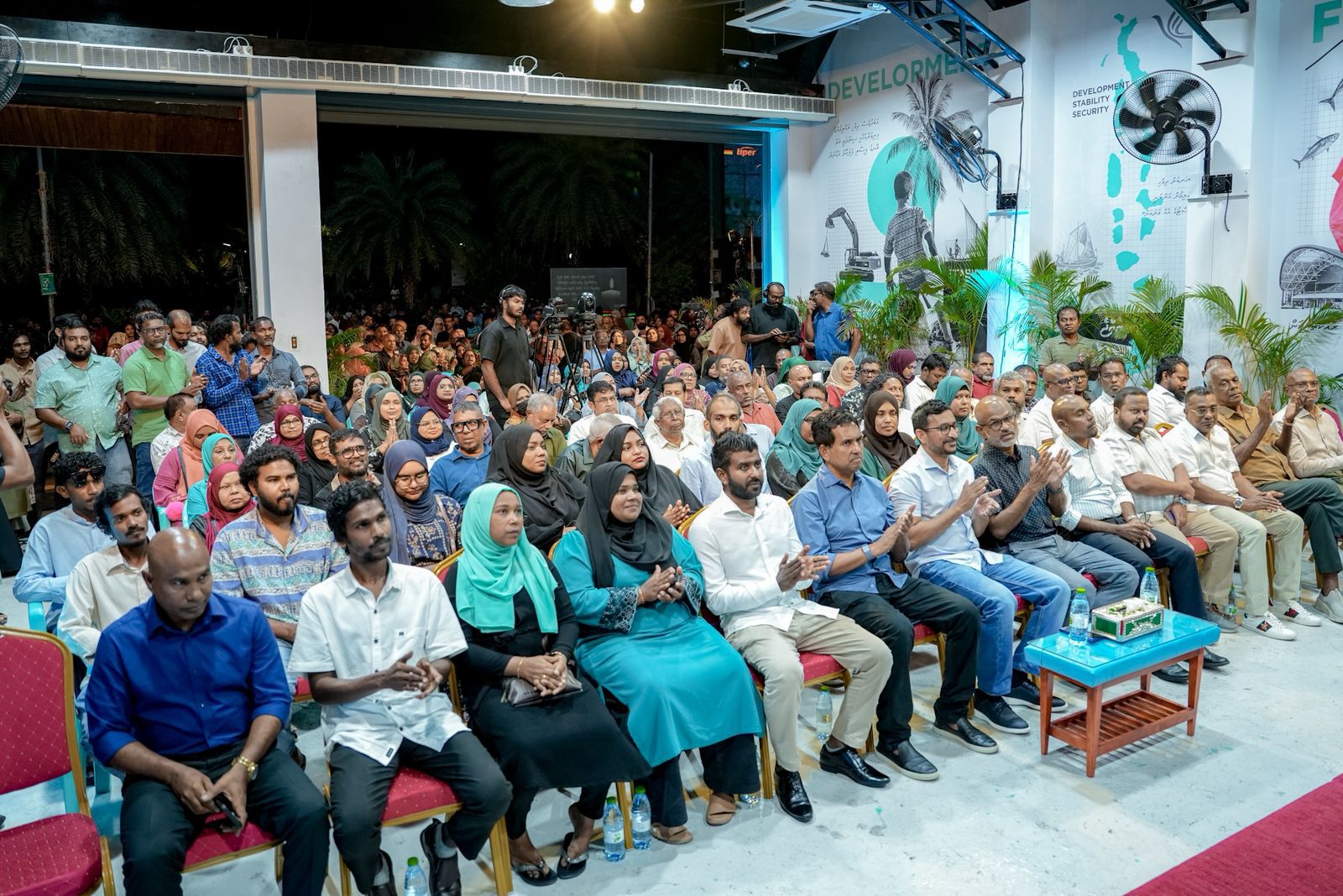
Fisheries Minister Ahmed Shiyam, speaking at the rally, said the government was determined to improve its performance and aimed to secure what he described as an “A report” from the public in future elections.
“This time we got a B report. Look at who has ever received a B report in a local council election while in power. We do not believe in a B report. We want to get an A report,” he said.
He said President Muizzu also wanted the government to achieve an A‑level outcome and had already begun responding to the message delivered by voters. According to Shiyam, the President’s reaction after the election demonstrated a commitment to listening to the public and making the necessary adjustments.
“President Muizzu wants the A report. So after the election, he said the people have spoken. I have listened. From that moment on, he started doing what the people said. Is this not the most beautiful scene in a democracy?” he said.
The PNC’s performance in the 2026 local elections provides the party with a renewed mandate at the community level. Council presidents, council members and WDC leaders play a key role in implementing government policies, and the PNC’s majority in these positions is expected to support smoother coordination between local and national authorities.
Party officials said the results demonstrate that voters recognise the government’s efforts to accelerate development projects, improve public services and address long‑standing infrastructure gaps. They also said the PNC’s organisational discipline and candidate selection contributed to the strong showing.
The PNC’s lead in female‑reserved seats and WDC positions was highlighted as a sign of growing support among women voters. The party said it would continue to prioritise women’s leadership and community‑level empowerment.
The Vice President of the People’s National Congress and Baarah MP Ibrahim Shujau said the government and the PNC would work together to achieve the goals expressed by the public in the recent local council and women’s development committee elections.
Speaking at the rally to celebrate the PNC’s victory in Muraidhoo, Shujau said elections always reveal the public mood and that the results reflected the feelings of communities across the country. “Elections tell a lot of stories,” he said. “The people express their feelings in every election.”
Shujau said President Muizzu as a leader who worked in accordance with the “feelings and breath of the people”, and that the nationwide vote count showed broad support for the government’s policies. He said the PNC received 277,011 votes across provinces and cities, while the MDP received 258,050.
“This is proof that the majority of the people support President Muizzu’s policies,” he said.
According to Shujau, the President had already acknowledged that improvements were needed and had committed to addressing them before the next national election cycle. “The President believes that there are things that need to be improved by 2028. And he has assured that they will be improved,” he said.
Shujau said the PNC parliamentary group would work continuously to deliver the legislative changes required to support the President’s agenda. “The parliamentary group will work 24 hours a day to bring about the legislative changes the President wants,” he said.
Shujau contrasted the current administration’s response to the election results with what he described as the behaviour of previous governments. He said earlier administrations had attempted to stir anger or create division after electoral setbacks, while President Muizzu had chosen to respect the public’s decision and focus on moving the country forward.
“Previous governments tried to instigate anger over the election results,” he said. “But the current President wants to respect the people’s decision and move the country forward at a fast pace by improving what needs to be improved.”
He said the President’s immediate response after the vote demonstrated responsible leadership. “The President said that the people had spoken. He said that he had heard the voice of the people and started working from that moment on,” Shujau said. “This is the most beautiful scene in a democracy.”
Shujau said the PNC’s performance in the elections showed that the public wanted the government and the party to work together to deliver development, strengthen services and address local needs. He said the results reflected confidence in the government’s direction and the PNC’s organisational strength across the islands.
He added that the party would continue to prioritise community‑level engagement and ensure that the government’s development agenda reached every constituency. “The government and the PNC will work hand in hand to achieve the goals of the people,” he said.
Shujau told supporters that the party would remain focused on delivering results and responding to the public’s expectations. He said the PNC’s responsibility was to ensure that the message delivered through the ballot box translated into action.
With the by‑election in Hithadoo North scheduled for June and several second‑round contests pending, the political landscape remains active. However, the PNC’s nationwide lead in the 2026 local elections positions the party strongly for the months ahead.
The results show that while the MDP retains influence in urban centres, the PNC continues to hold the confidence of the majority of island communities. For President Muizzu, the outcome provides political momentum and reinforces the government’s claim that its development‑focused agenda resonates with voters across the country.
As the PNC prepares for the next phase of its term, party leaders say the priority will be to build on the trust shown by voters, strengthen service delivery and ensure that development projects move forward without delay. The party said it remains committed to working closely with councils and WDCs to address local needs and deliver tangible results.