News Desk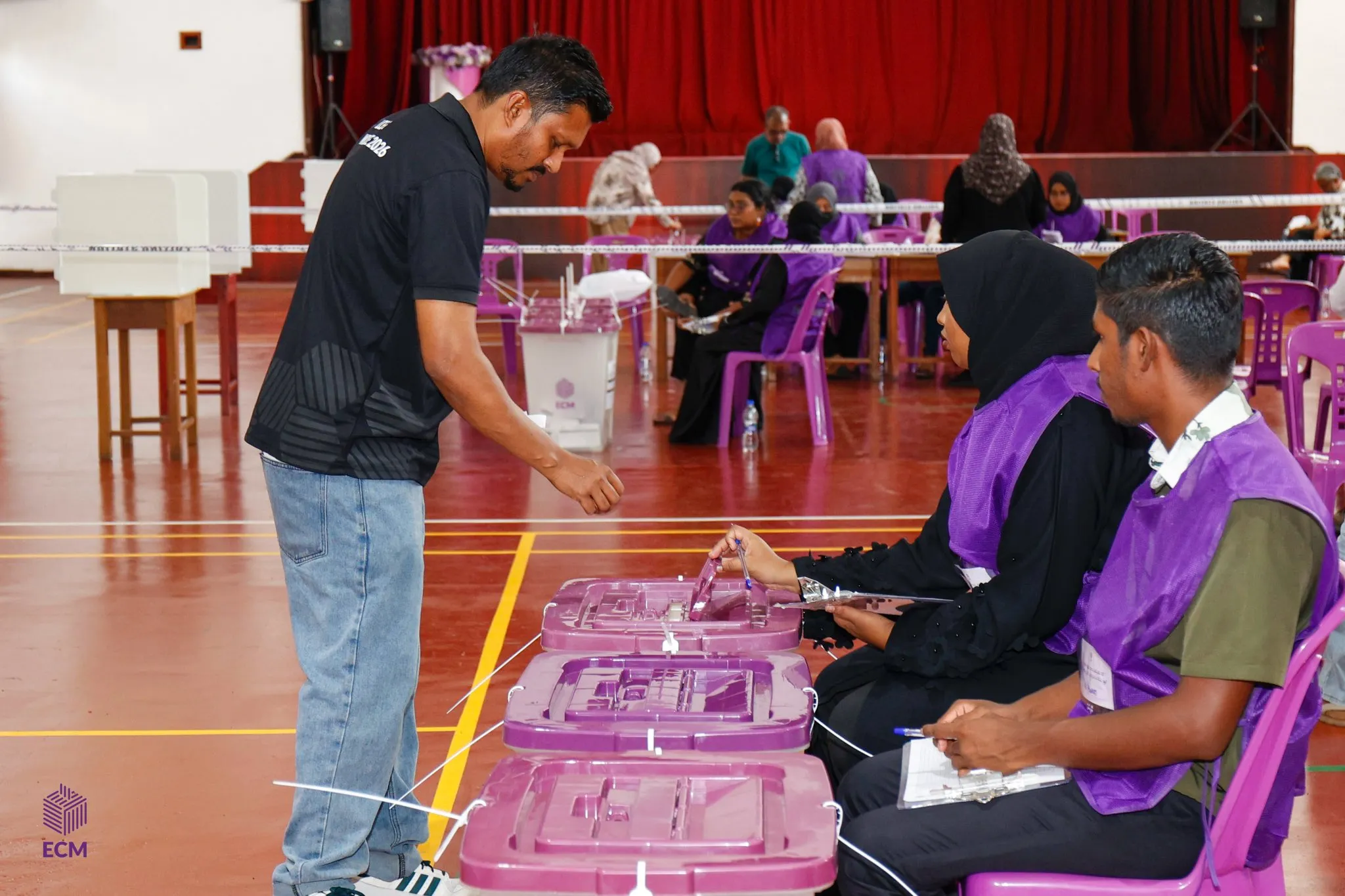
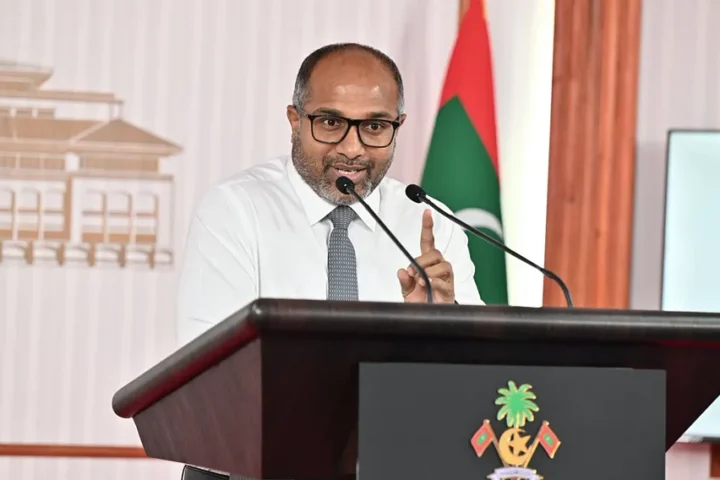
Baarashu MP Ibrahim Shujau said the Progressive National Congress has the resolve to bring about the changes demanded by voters in the recent local council elections, acknowledging that the outcome reflected a clear message from the public. His remarks added to a growing internal discussion within the ruling party about the direction of the government and the need to adjust policies in response to voter sentiment.
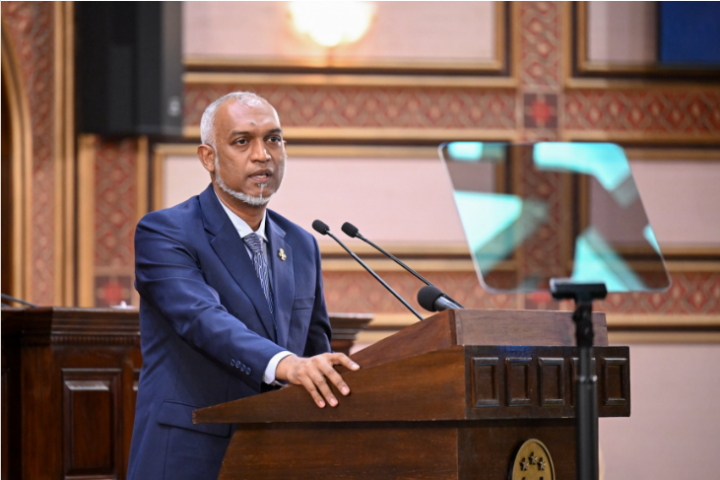
Speaking during debate on amendments to the Land Act, Shujau said President Dr Mohamed Muizzu had accepted the results with humility and was prepared to revise government policy in line with the wishes of the people. He said the administration would make corrections where necessary and would not ignore the concerns expressed through both the council elections and the referendum on synchronising presidential and parliamentary elections.
“The people told us during this local council election that we need to change some things, and we have the courage to bring those changes with determination,” he said. He added that the government must listen carefully to the public and respond with sincerity rather than defensiveness.
Shujau also criticised the internal turmoil within the opposition MDP, describing it as a sign of a party that had lost direction. But he said the PNC itself should not take comfort in the results or assume that the opposition’s weaknesses would benefit the government. He said the ruling party must reflect on its own shortcomings.
“I am not proud of the election results” he said. He added that the party’s policies would now be reviewed with the breath of the people in mind, and that the government must show it is willing to correct its course.
His comments come as senior government figures continue to assess the outcome of the council elections and the referendum. President Muizzu has publicly acknowledged government mistakes and said he would correct them in line with the breath of the people. The government’s defeat is widely interpreted as a sign of public dissatisfaction despite its political strength, parliamentary majority and ongoing development projects.
Mid term local council elections have historically served as a test for sitting administrations. This year’s results echoed previous cycles in which voters signalled discontent with governing parties. Analysts noted that the scale of the defeat, including the loss of all five city councils, reflected a clear message that the government must adjust its policies and approach.
More than 214,000 people voted in the referendum, with over 170,000 rejecting the proposal to hold presidential and parliamentary elections on the same day. The high turnout strengthened the impact of the vote, and many within the PNC said the referendum overshadowed the council campaign. Several party members said the referendum turned the election into a direct judgement on the government rather than a local contest.
Some within the party believe the decision to include the referendum diverted focus and made it easier for the opposition to mobilise voters. They said the opposition framed the referendum as a chance to express dissatisfaction with the government, and that many voters used it as an opportunity to send a message. Party officials described it as a moment when the silent majority chose to speak.
PNC insiders also pointed to last minute government decisions, including political appointments, emergency projects and policy shifts, as factors that contributed to the loss. They said these decisions created an impression of haste and inconsistency, and that voters responded by signalling their disapproval at the ballot box.
Several PNC strongholds were lost, including areas where major development projects had been announced but not delivered to the level expected by residents. Officials said the gap between announcements and visible progress weakened public confidence. They added that the government must now prioritise delivery and communication to rebuild trust.
Senior officials also raised concerns about independent institutions, saying the results reflected a loss of public confidence in the broader system. They said institutions had remained silent at key moments and that this silence contributed to public frustration. Some within the party said the government must strengthen transparency and accountability to restore confidence.
Fisheries Minister Ahmed Shiyam said the outcome offered an opportunity for reflection. He said the PNC had always been forward looking and would adjust its approach. He added that the government must listen to the people and respond with clarity and consistency.
The government highlighted recent actions such as repaying USD 500 million in sukuk and introducing new policy measures, but these achievements did not translate into electoral gains. Observers said economic decisions, while significant, did not address the immediate concerns of voters who were focused on cost of living, service delivery and local development.
Political analysts noted that losing all five city councils was particularly significant. They said city councils often serve as indicators of national sentiment, and that the results showed a clear shift in public mood. They added that the government must now recalibrate its policies and political strategy to regain public confidence.
Shujau’s comments reflect a broader recognition within the ruling party that the government must respond decisively. He said the PNC has the courage to bring about the changes demanded by the people and that the party would not ignore the message delivered through the ballot box.
As the government prepares for the next phase of its term, senior figures said the priority is to rebuild trust, strengthen delivery and ensure that policies reflect the concerns of the public. They said the results serve as a reminder that political strength alone is not enough and that the government must remain closely aligned with the expectations of the people.