News Desk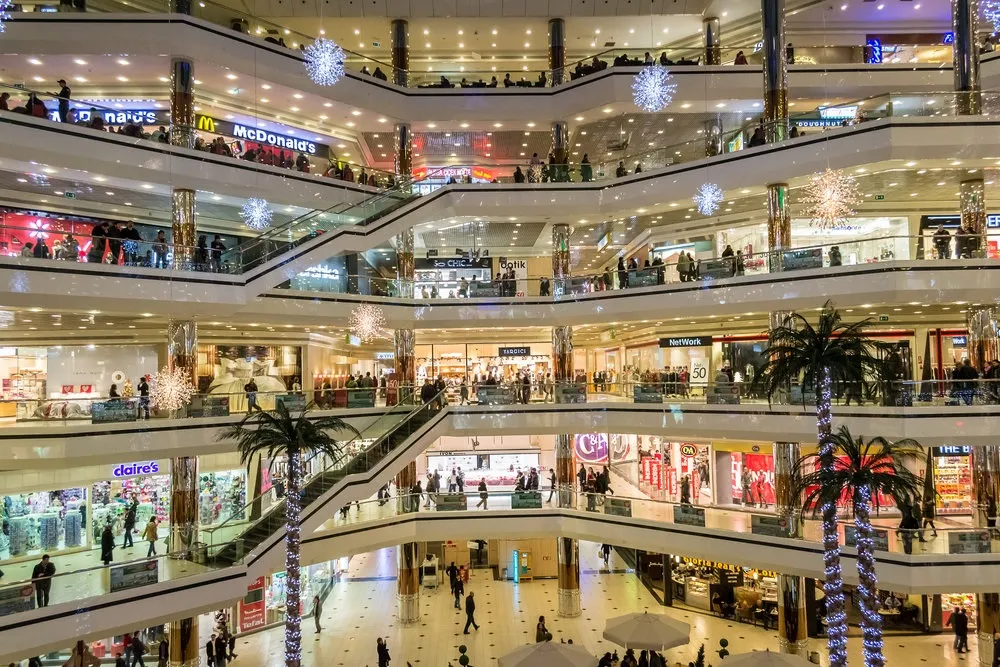
India is no longer just a massive consumer market—it’s a luxury powerhouse in the making. Over the past year, 27 international retail brands entered the country, nearly double the previous year’s count, reflecting a growing appetite for premium goods. Luxury, once seen as an exclusive domain for the ultra-rich, is now expanding to India’s rising middle and upper-middle class, signaling deeper economic and cultural shifts.
One of the key drivers of this transformation is the Indian diaspora, which is no longer just a story of brain drain but a story of return investment. Entrepreneurs and business leaders who once sought opportunities abroad are now coming back as investors, bringing with them global expertise, capital, and an understanding of international consumer trends.
Take the Lulu Group, led by M.A. Yusuff Ali. Originally an Indian migrant to the Gulf, Ali built a global retail empire and is now pouring billions back into India with massive shopping mall projects in cities like Ahmedabad, Vishakhapatnam, and Nagpur. His story reflects a broader trend—Indians who built wealth abroad now see their homeland as a prime investment destination.
Beyond returning investors, India’s strength lies in its massive, skilled workforce. With a young and tech-savvy population, the country offers an ideal environment for luxury brands to expand their footprint. International brands are tapping into this demographic advantage by opening flagship stores and e-commerce channels tailored to Indian consumers.
India’s retail evolution also aligns with its increasing disposable income. Urbanization, economic liberalization, and digital connectivity have fueled a shift in consumer behavior. The country is no longer just an outsourcing hub—it’s a high-value market where global brands want to be present.
China has long been a case study in attracting diaspora investments. The Chinese government actively encouraged overseas Chinese to invest in high-tech, manufacturing, and retail sectors through incentives and policy reforms. India is now taking a similar approach but with its own unique strengths: a democratic structure, a booming tech ecosystem, and a consumer market that values both heritage and modernity.
Delhi-NCR and Mumbai have become hotspots for global brands, but the next wave of luxury growth is expanding beyond these metros. Second-tier cities like Bengaluru, Hyderabad, and Pune are experiencing a surge in premium retail demand, mirroring China’s earlier expansion into smaller urban centers.
India’s ability to transform its diaspora into economic allies offers a valuable lesson for other emerging markets. The key? A mix of policy incentives, cultural affinity, and strategic investments in human capital. By making it easier for overseas Indians to invest and build in India, the country is positioning itself as a long-term player in the global luxury and consumer goods market.
Establishing structured dialogues between governments and diaspora investors can help maintain trust and long-term collaboration. Building these dedicated engagement channels ensures that overseas investors feel connected and confident about reinvesting in their home countries.
Offering strategic incentives, such as tax breaks, easier market entry, and relaxed regulatory environments, can further encourage investments in priority sectors. These incentives create a favorable business climate and attract capital that would otherwise be directed elsewhere.
Beyond financial benefits, cultural ties play a significant role in bringing back diaspora investments. Programs that reinforce heritage and pride help deepen emotional connections between investors and their home countries. When investors feel a personal connection to their homeland, they are more likely to contribute to its economic growth and stability.
With a strong mix of international confidence and homegrown potential, India is proving that luxury isn’t just about high-end fashion, it’s about economic progress, cultural shifts, and a return to its global influence.