 News Desk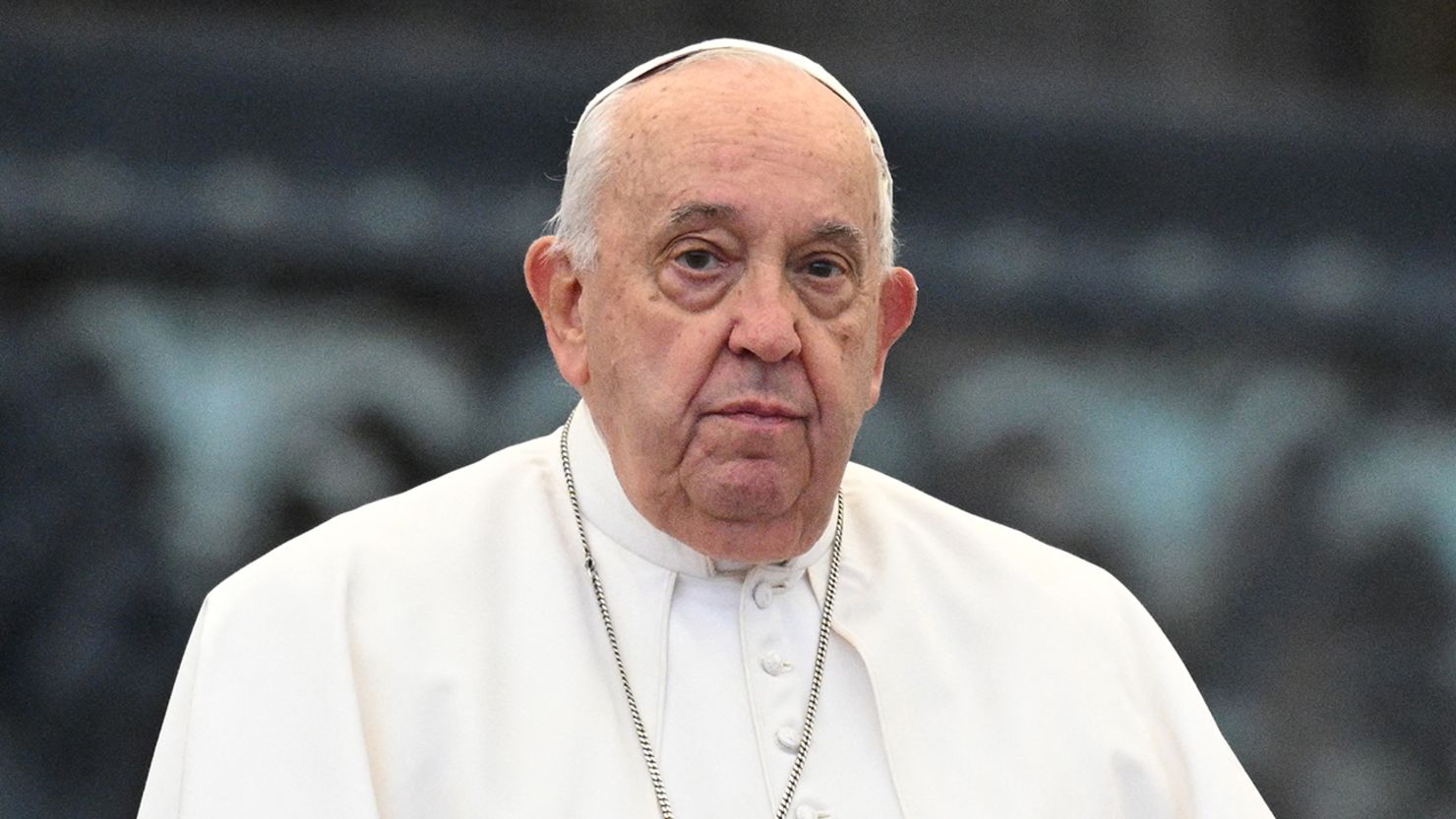
VATICAN CITY — In his final public address, delivered from the balcony of St. Peter’s Basilica on Easter Sunday, Pope Francis spoke with urgency about the “deplorable humanitarian situation” in Gaza, condemning the state “terrorism” of bombings and shootings targeting unarmed civilians. The frail 88-year-old pontiff, whose voice was carried by an aide, also used in his last official meeting to urge US Vice President J.D. Vance, who had visited the Vatican days earlier, to embody a “humane and kind” spirit in his leadership, which many sees of devoid of such a human gesture. These words, steeped in compassion, marked the closing chapter of a papacy defined by simplicity and solidarity with the marginalized.
Pope Francis, the first non-European pope in over 1,200 years, died Monday at the Vatican, succumbing to complications from double pneumonia after a five-week hospitalization. Born Jorge Mario Bergoglio was a pope who dined with the poor, lived modestly in the Vatican’s guest house rather than the Apostolic Palace, unlike his predecessors.
His homily to Vance, delivered during a tense meeting amid U.S. policy disputes against immigrants and minorities, underscored Francis’ moral clarity. He openly criticized the Trump administration’s immigration crackdown, calling it a “disgrace,” and rejected Vance’s invocation of medieval Catholic teachings to justify deportations. This courage extended to his advocacy for Syrian refugees, whom he personally brought to Rome from a Greek camp in 2016, a gesture that symbolized his belief that migrants “aren’t to be feared.”
Francis’ papacy was not without critics, but he avoided the Islamophobia that has marked some global leaders. His daily calls to Gaza’s Holy Family Parish, even from his hospital bed, reflected a commitment to interfaith solidarity. He leaves behind a legacy of humility—a pope who walked among the suffering, from Damascus to Gaza, and challenged the powerful to do the same.