News Desk
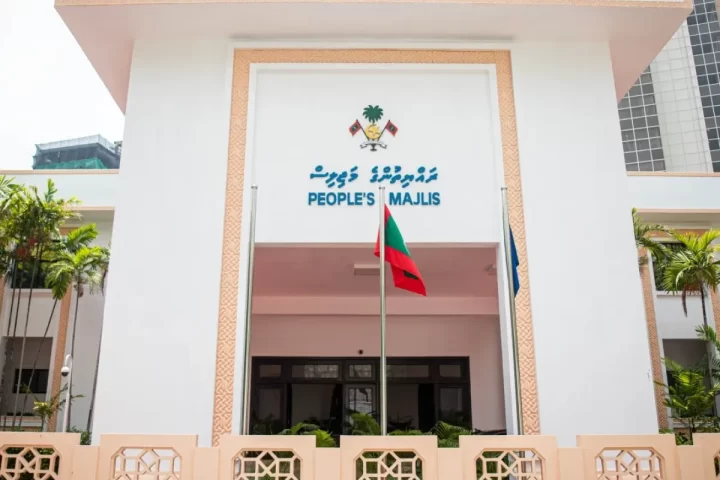
Dhivehi, the national language of the Maldives, is a unique Indo‑Aryan tongue spoken across a chain of islands scattered through the Indian Ocean. It carries echoes of Sanskrit, Urdu, Arabic and South Asian coastal cultures, yet it has evolved into something distinctly Maldivian—shaped by seafaring, trade routes and centuries of island life.
Written in Thaana, a script that reads right‑to‑left and blends numerals with phonetic symbols, Dhivehi is both visually striking and historically layered.
It is also a language that entered the digital age early: Thaana was incorporated into Unicode in the 1990s, giving Dhivehi a place in global computing long before many small languages secured similar recognition.
Today it is fully supported across modern operating systems, keyboards and digital platforms, allowing Maldivians to write, publish and communicate in their own script without technological barriers. For Maldivians, Dhivehi is more than a means of communication—it is the vessel of oral poetry, folk tales, Islamic scholarship and the intimate vocabulary of island communities. In a globalizing world where small languages often recede, Dhivehi stands as a reminder that linguistic identity can anchor a nation’s sense of self even as it navigates the pressures of modernity.