News Desk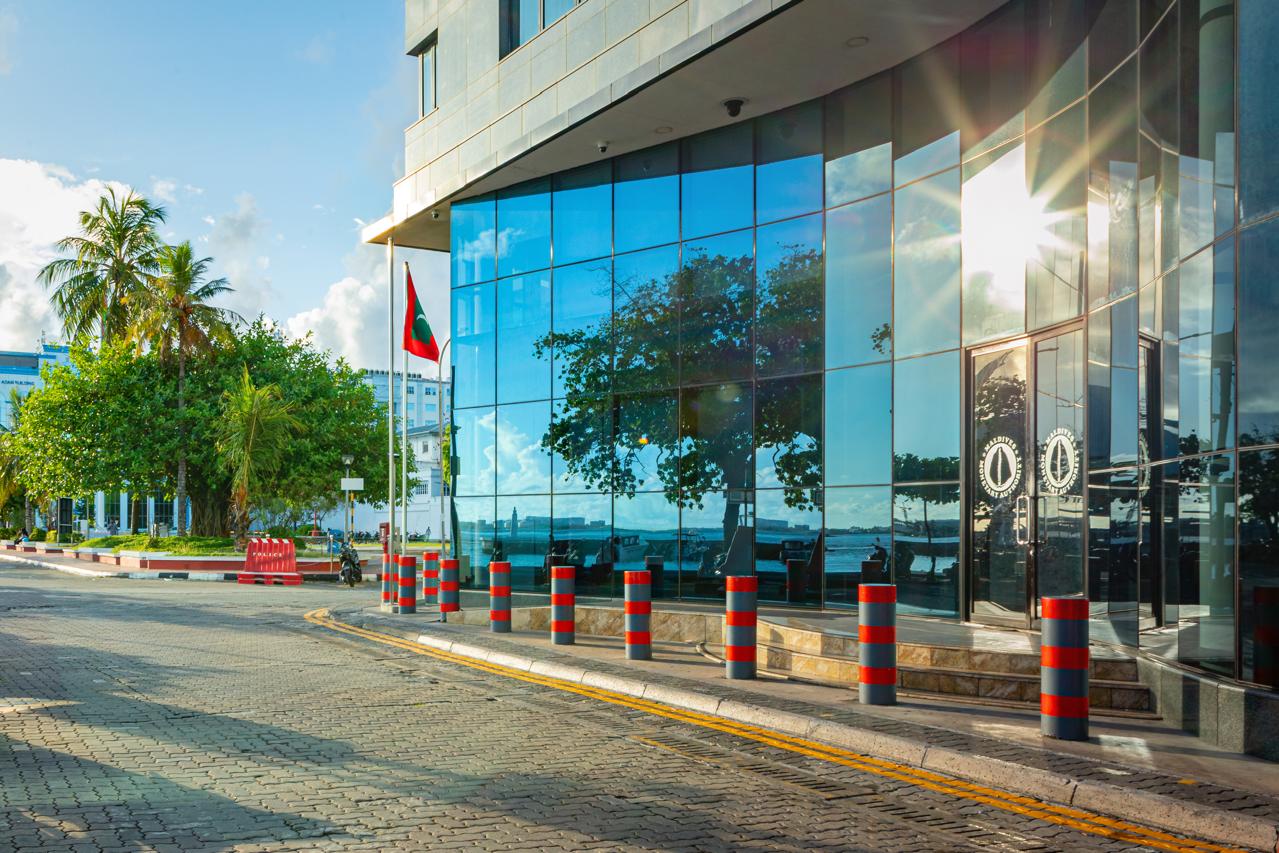
MALÉ — In the Maldives, the local rufiyaa buys you a short taxi ride through the gridlocked streets of the capital or a plate of hedhikaa. But the lifeblood of this fragile, luxury-dependent island economy is the US dollar. And lately, that blood has run dangerously thin.
On Tuesday, the opposition Maldivian Democratic Party (MDP) escalated the country’s widening economic anxiety into a formal political standoff. In a sharply worded letter, the MDP’s parliamentary group demanded an urgent audience with the Governor of the Maldives Monetary Authority (MMA), Ahmed Munawar, to interrogate the central bank over a foreign exchange crisis that has rapidly spilled out of the financial sector and into the daily lives of citizens.
The central bank’s independent standing, the opposition warns, is eroding under political pressure.
“Even though new foreign exchange regulations took effect last year, systemic failures in their enforcement have birthed a runaway informal black market,” wrote the Secretary General of the MDP’s parliamentary group. The consequences of this shadow market are being felt everywhere. The premium for greenbacks on the street has skyrocketed, leaving local merchants struggling to finance imports, which in turn drives up the cost of basic household goods on supermarket shelves.
For ordinary Maldivians, the crisis is hitting close to home. Over the past year, the national bank, Bank of Maldives (BML), alongside private lenders, slashed international card limits to protect dwindling reserves. The policy has upended the lives of thousands of families supporting students studying abroad or paying for overseas medical treatments in India and Sri Lanka.
In a bid to claw back foreign currency, the state bank recently introduced a novel scheme allowing investors to deposit dollars in exchange for a staggering 25 per cent return paid out in local rufiyaa. The bank claims the initial influx of hard currency has already allowed it to modestly raise card limits for popular online retail sites like Temu.
But the MDP remains unconvinced, pointing out that major monetary policy decisions—traditionally the strict purview of the central bank under the MMA Act—are increasingly being choreographed and announced by cabinet ministers. This blurring of lines, the opposition argues, threatens the core credibility of the nation’s financial watchdog.
The political response from the administration of President Dr. Mohamed Muizzu was swift, shifting the narrative from current mismanagement to past fiscal sins.
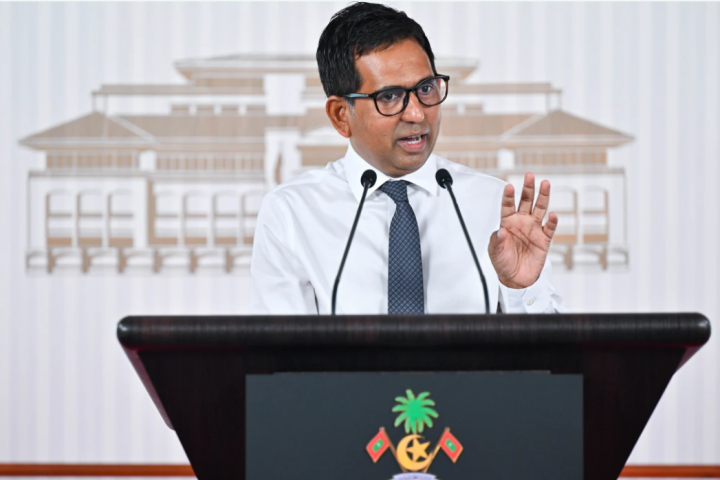
At a press conference held at the President’s Office on Tuesday afternoon, Economic Minister Mohamed Saeed fired back, singling out the opposition’s most vocal economic critic, former Finance Minister Ibrahim Ameer. Over the weekend, Ameer had headlined an MDP-led panel discussion at the capital’s Artificial Beach titled, with blunt simplicity, “No Dollars.”
“The true architect of the deep economic abyss the Maldives finds itself in today is Ibrahim Ameer,” Minister Saeed told reporters, dismissing the former minister’s right to lecture the public on financial prudence. “He steered the country into this hole under the previous administration, and now he simply turns his shirt inside out and talks from a different podium.”
The government’s defense rests entirely on the legacy of the printing press. Saeed reminded the public that during the pandemic years, the previous government printed unprecedented amounts of local currency to sustain spending, a move that systematically devalued the rufiyaa against the dollar.
The minister pointed out the irony of the opposition’s new-found solidarity, noting that prominent figures now sharing the stage with Ameer had themselves loudly protested the money-printing scheme when they sat in parliament years ago. Even the former central bank governor, Ali Hashim, had raised the alarm at the time, only to be largely ignored by the executive.
“When we took the reins, we were handed an economy weighed down by a dark and dangerous mountain of debt,” Saeed said, pleading for patience as the administration navigates a highly precarious two-year recovery window.
As the government tinkers with new foreign exchange laws and hunts for alternative revenue streams to steady the ship, the debate remains gridlocked. The opposition demands immediate relief for an cash-starved public, while the government maintains it is simply trying to clear the wreckage of the house its predecessors burned down.