News Desk
The main opposition Maldivian Democratic Party (MDP) has called on the government to disclose the full terms of a deal granting a Dubai-based property firm a 99-year lease on a vast section of reclaimed land, demanding that the proposal be put to a public referendum.
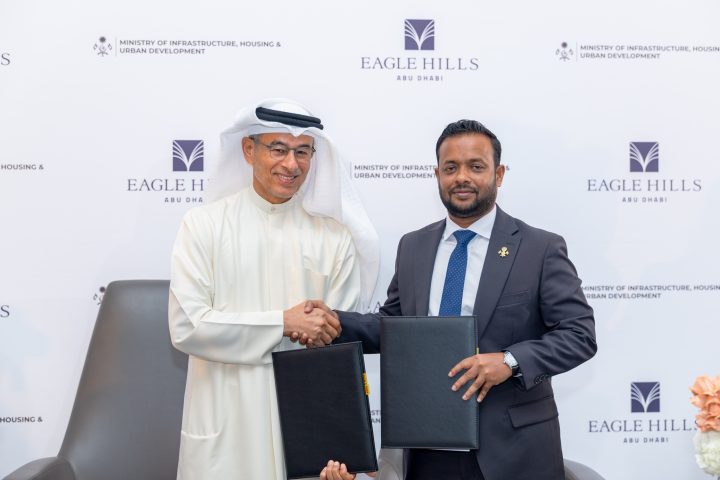
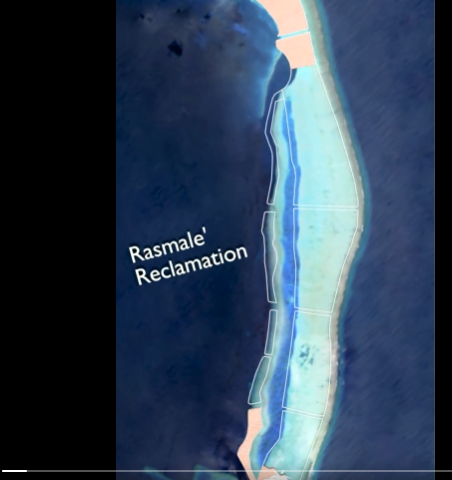
The controversy centres on the government’s flagship Ras Male’ land reclamation project at Fushidhiggaru Lagoon. Under the agreement, a significant portion of the newly reclaimed site is set to be handed over to Eagle Hills, a real estate development company based in the United Arab Emirates.
In an official statement released on Thursday, the MDP affirmed its support for private sector involvement and foreign investment to drive economic growth in the Maldives. However, the party expressed grave concern over the nature of the transaction involving the Abu Dhabi-linked developer.
The party pointed out stark discrepancies between statements issued by Eagle Hills and the official account provided by the administration of President Dr Mohamed Muizzu.
“If a project promises such immense benefit to the country, there is no valid reason for the government to hesitate in disclosing complete details,” the MDP said in its statement. “Concealing information is a clear sign of danger.”
The opposition party demanded full transparency regarding the duration of the agreement, state liabilities, financial obligations, tax concessions, and regulatory exemptions granted to the foreign developer. It also called for the public disclosure of the specific responsibilities assigned to Eagle Hills.
A central point of contention remains the question of land ownership. The MDP urged the administration to clarify whether foreign nationals could acquire property titles or establish permanent land rights under the deal. The government, the party argued, lacks the authority to introduce policies that cede ownership of Maldivian land to foreign entities without explicit public consent.
Citing Article 4 of the Maldivian Constitution—which states that all powers of the state derive from and remain with the citizens—the MDP insisted that no such transaction should proceed without approval through a national referendum.
The call for a vote highlights growing political debate in the nation over sovereign land rights, mega-infrastructure projects, and foreign commercial influence.