News Desk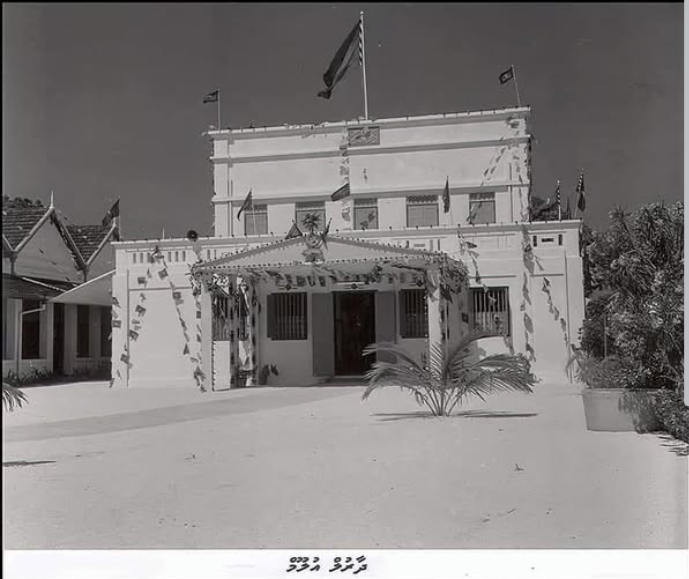
MALE’ — Tucked inside the grounds of Majeediyya School, one of the oldest and most storied educational institutions in the Maldives, two buildings have been standing in near silence for the better part of a decade. They are not large. They do not announce themselves. But the walls of Daarul Uloom and Kuriboashi have witnessed more of this country’s history than almost any structure still standing in Male’.
That silence is about to end.
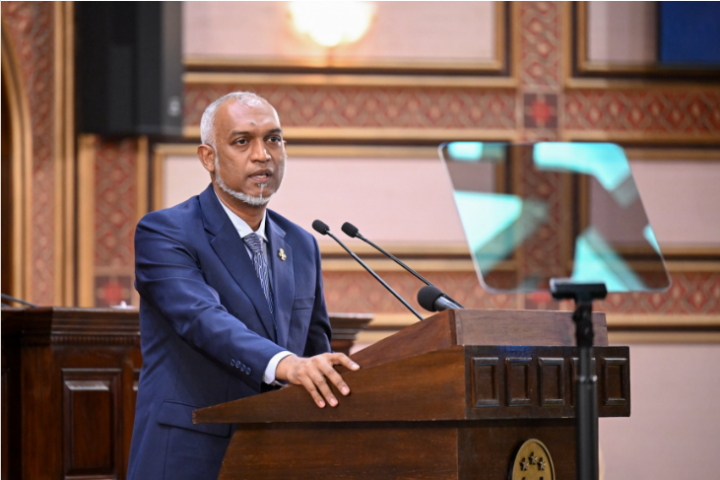
The government has announced that both buildings will be restored and developed as the National Education Museum of the Maldives, a decision made public by President Dr Mohamed Muizzu during celebrations marking Majeediyya School’s centenary. Restoration work on Daarul Uloom is set to begin this year, with the Education Ministry coordinating the effort alongside the Majeediyya alumni association and other stakeholders.
Daarul Uloom, whose name translates as the House of Knowledge, was built in 1952 during the administration of Mohamed Ameen Doshimeyna Kilegefaanu. The timing makes the building’s biography inseparable from the country’s own. It was the year the Maldives transitioned from a monarchy to its first republic, with Mohamed Ameen becoming the country’s inaugural president. The formal ceremony marking that transfer of power took place in this hall. For years afterward, the most significant state meetings and official gatherings were held within these walls. Over time, modifications were made that stripped away some of its original character, leaving a building whose importance exceeded its current condition.
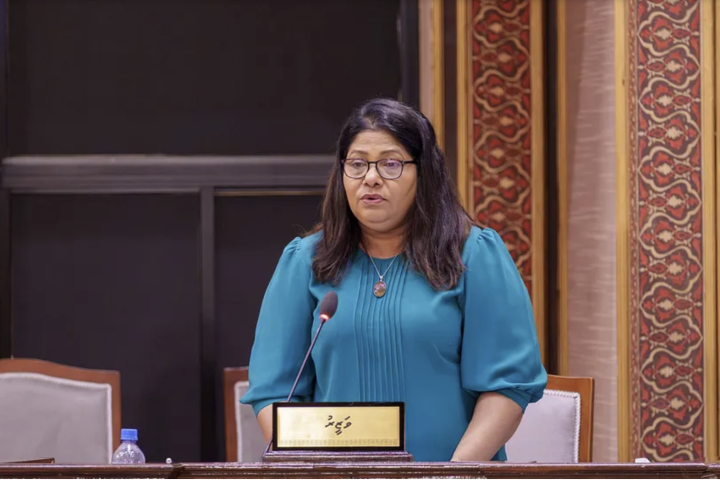
Education Ministry State Minister Dr Ahmed Mohamed said the central goal of the restoration is to return the buildings to their original dignity. He described the vision for Daarul Uloom as a refined historic hall that can host important small ceremonies and public functions while serving as a heritage site accessible to all.
“This hall should be developed as a beautiful space, in the manner of an important historic site, where significant small events can be held and where the public can also make use of it,” he said.
The broader project is part of how the Maldives is beginning to reckon with the physical preservation of its modern history. The country has invested considerable energy in developing new infrastructure, but the buildings that carry the weight of its national story have not always received the same attention. Majeediyya’s centenary has provided the occasion to change that, at least for these two structures.
What makes Daarul Uloom worth preserving is not only what happened inside it. It is what those events meant. The first republic. The early meetings of a government finding its shape. The ceremonies of a small island nation trying to define what it was becoming. Buildings carry that kind of memory in ways that documents and photographs cannot fully replace. Walking into a room where history was made is a different experience from reading about it.
When the restoration is complete, Daarul Uloom will not simply be a monument to the past. It will be a functioning space, restored to something close to what it once was, returned to the city that built it and the people whose story it holds.
For a country that has changed as rapidly as the Maldives, that matters more than it might seem.