News Desk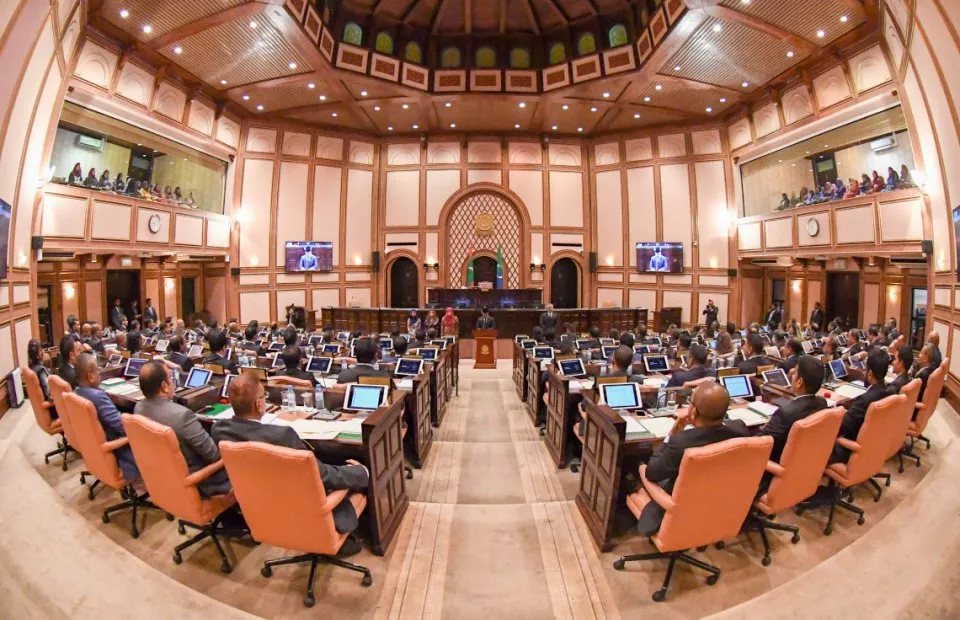
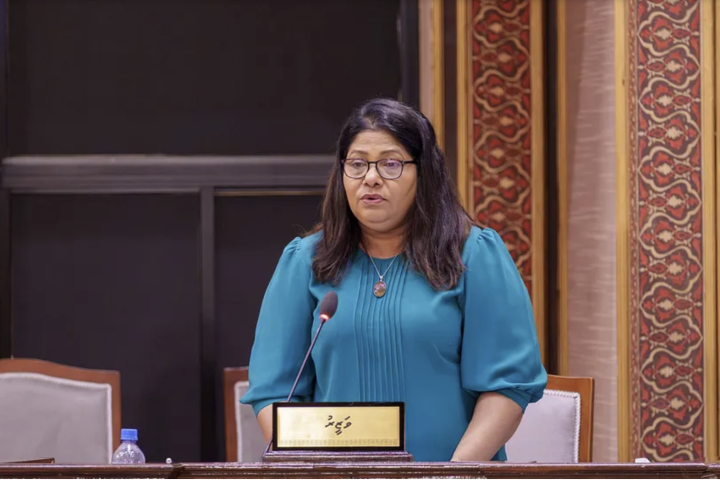
MALE’ — The government aims to have basic cancer diagnostic and treatment services running before 2028 at a new specialist facility being built in Hulhumale’ Phase 2, Health Minister Geela Ali told Majlis on Monday.
Responding to a question from Galolhu North MP Mohamed Ibrahim about when construction would begin, the minister said the project is progressing through several phases simultaneously. Land in Hulhumale’ Phase 2 has been allocated for a 500-bed multispecialty hospital that will include a dedicated 25-bed cancer treatment facility alongside maternal and child health services.
“Radiotherapy, chemotherapy and PET scans will begin before 2028,” the minister said. “The most basic diagnostic tests and treatment will start as the work progresses through its phases.”
The scale of the need is reflected in the numbers the minister presented. In 2025 alone, 67 women and 53 men were newly registered as cancer patients in the Maldives. Since the national health insurance scheme Aasandha was established, 5,755 people have received assistance for cancer-related treatment overseas, at a total cost of MVR 374 million. That figure, spent on sending patients abroad for care the country cannot yet provide at home, is the clearest argument for building local capacity.
The government has in the meantime taken incremental steps. Nine beds across IGMH and Hulhumale’ Hospital have been dedicated to cancer care. Mammogram screening for breast cancer, one of the most common cancers in the Maldives, is now available at five regional hospitals, Fuvahmulah City and Baa Atoll Hospital. Cancer treatment access through Aasandha has been arranged at 15 hospitals in India and two in Sri Lanka.
Regional expansion of cancer services is also planned, with facilities to be established at hospitals in Addu, Haa Dhaal, Lhaviyani, Raa and Gaafu Dhaal atolls.
The minister said a dedicated study on cancer prevalence and its contributing factors in the Maldives will be conducted during the current government term. A cancer registry already exists but the planned research will gather significantly more detailed data on causes and patterns.
For a country that has spent MVR 374 million sending its citizens abroad for cancer treatment, the 2028 target represents both an ambition and an acknowledgment of how long it has taken to get here.