News Desk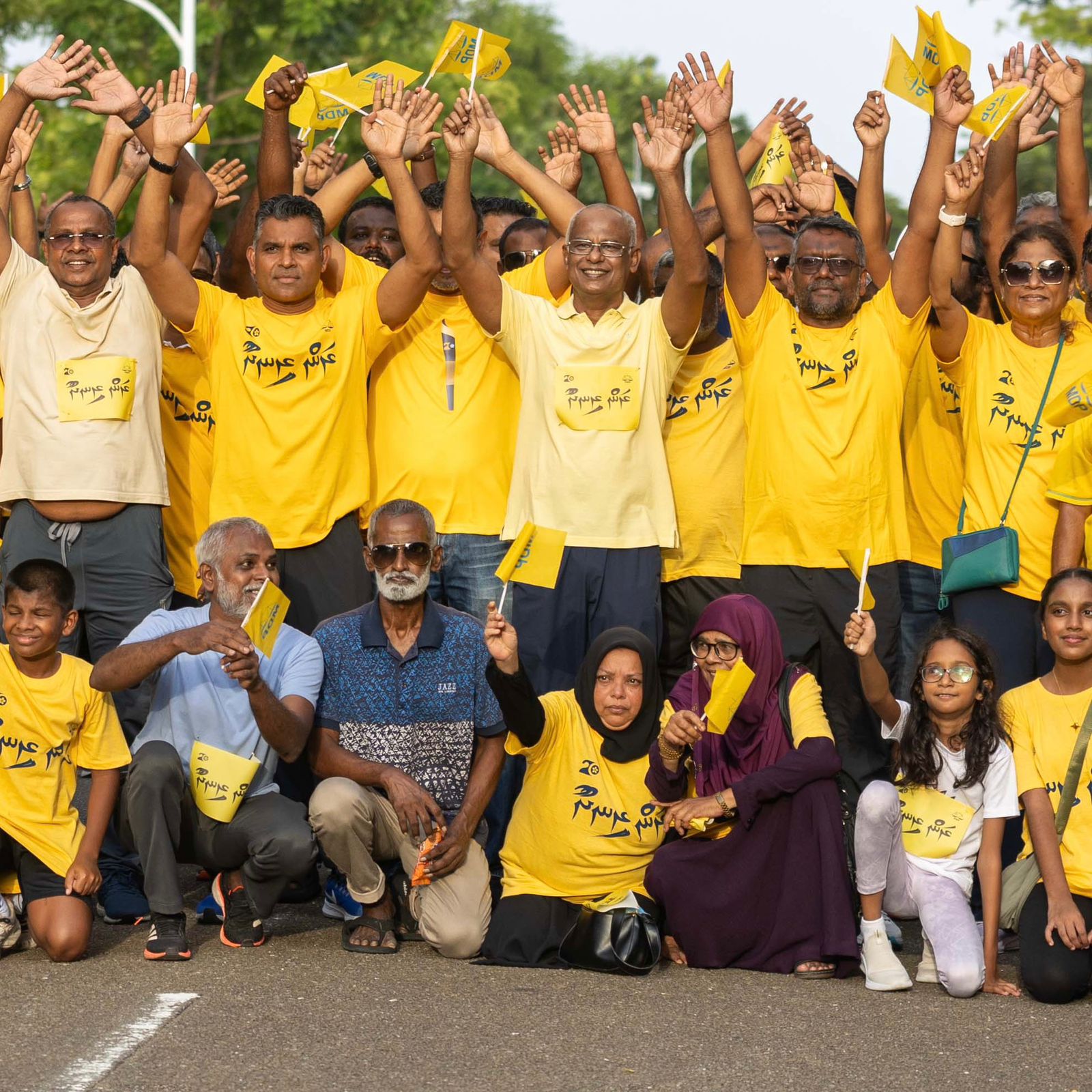
MALE’, – Twenty-one years is a flicker in the timeline of nations, yet in the context of the Maldives, it has been enough time to fundamentally rewrite the country’s political DNA. As the Maldivian Democratic Party (MDP) marked its 21st anniversary on June 26, the occasion served as more than a celebratory milestone; it was a moment of profound introspection for a movement that birthed the country’s modern democratic era.
When the MDP was registered on 26 June 2005, it was not merely the birth of an organisation. It was, in retrospect, the definitive signal that the archipelago’s autocratic status quo was nearing its expiration. The party’s ascent, driven by a generation that endured exile, imprisonment, and institutional repression, transformed the relationship between the state and its citizenry from that of ruler and subject to one of government and constituent.
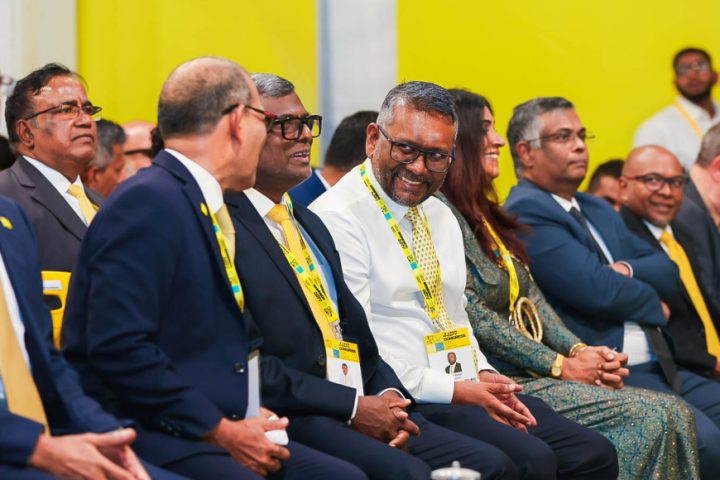
For former President Mohamed Nasheed, who has returned to the fore as the party’s Chairperson, the MDP’s greatest achievement remains the 2008 Constitution. That document did more than just establish the separation of powers; it created the oxygen for political freedom.
“The MDP changed the Maldives,” Nasheed reflected during the anniversary events. He speaks not just of historical pride, but of an urgent necessity. For a new generation of Maldivians, for whom the rights of free expression, independent media, and electoral competition are baseline realities, the struggle that secured them-the protests in the face of brutal crackdowns and the long years of systemic sacrifice-can feel like ancient history. Yet, Nasheed maintains that the democratic journey is incomplete. He is once again advocating for a “major change,” arguing that the current system has stagnated and requires a new structural evolution to ensure future prosperity.
The party’s path has not been a linear march of victory. It has weathered the 2012 rupture of its leadership and endured the internal fractures that often plague movements born of struggle. However, the resilience of the MDP remains one of the most significant variables in Maldivian life.
Fayyaz Ismail, the former Chairperson and a key architect of the party’s recent efforts, used the anniversary to emphasise a return to unity. In a political landscape where parties often vanish or atrophy, the MDP’s ability to remain the country’s most potent political force is, in his view, a testament to the thousands of grassroots members who remained steadfast. His message was one of preparation: a unified MDP is now pivoting to challenge a government it accuses of failing the people.
Former President Ibrahim Mohamed Solih joined these calls for renewal, underscoring that history will view the MDP as the primary driver of institutional reform in the Maldives. His assurance, alongside the party’s current rhetoric, signals an attempt to reconcile the MDP’s identity with its present position in the opposition.
The MDP now faces an existential question that transcends mere electoral cycle politics. Having been the catalyst for the first democratic transition, it must now determine if it can self-correct and modernise in an era where the public’s demands have shifted from the fundamental right to vote to the tangible quality of life.
The party is once again at a crossroads. Its internal walls are still being mended, and the task of regaining public trust is formidable. History, however, suggests that the MDP has never been at its most effective during periods of ease. It is a movement that has historically thrived when the democratic project seemed most in doubt.
As it enters its third decade, the question is not about the MDP’s place in the history books, that chapter is written. The question is whether the party that redefined the Maldives once can find the internal fortitude to do so again. For the MDP, the next chapter is not just about competing for power; it is about proving that the democracy they fought to establish remains the most effective engine for the country’s future prosperity.